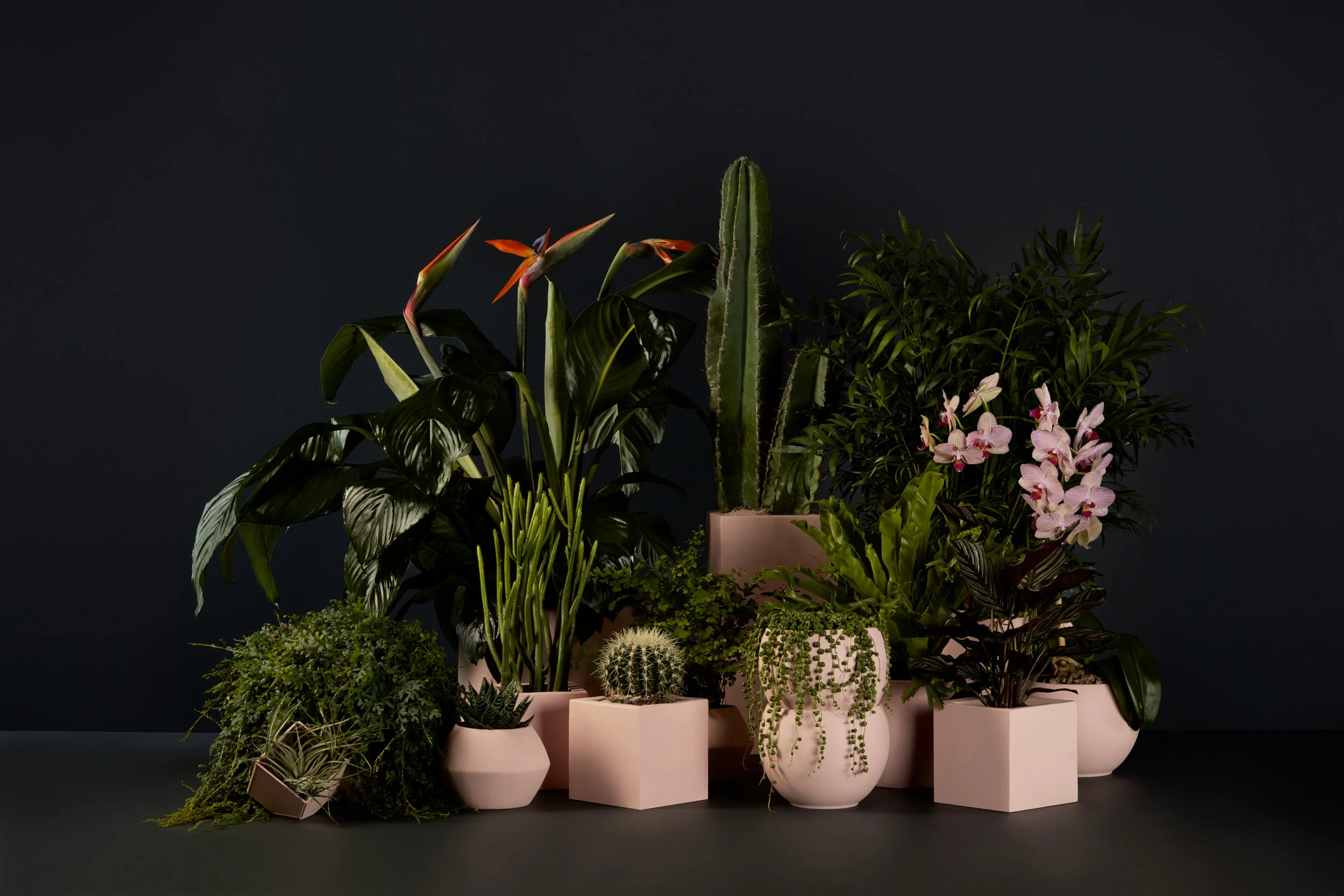
Serving Spring Branch and surrounding Houston neighborhoods since 1999. In The Garden is a hidden treasure for specialty plants, fountains, patio furniture, and one-of-a-kind garden accents.
A Spring Branch Original
Founded by Frank and Suzan Galvan, In The Garden grew from a landscaping enterprise and a warehouse full of unusual finds into a half-acre retail destination just off I-10 at Blalock.
The result is an eclectic, ever-changing mix of specialty plants, herbs, planters, fountains, statuary, patio furniture, and original art from local artists.
Why Houston Gardeners Should Love Texas Sage
Texas sage, also called Texas ranger or Leucophyllum frutescens, is a tough ornamental shrub with silver foliage, soft purple flowers and a remarkable ability to handle heat. It brings structure to a garden while asking for far less water than many traditional flowering plants.
For Australian gardeners, its appeal is easy to understand. The shrub suits sunny courtyards in Brisbane, dry landscapes around Perth and warm suburban gardens in Sydney, provided the soil drains freely and local growing conditions are considered.
At In The Garden, Houston gardeners can explore plants, pots, fountains, statuary and outdoor furnishings that help turn a resilient shrub into a complete garden setting. The same design principles work beautifully in Australian yards, balconies and commercial landscapes.
| Feature | Texas Sage | Rosemary | Bottlebrush |
|---|---|---|---|
| Water needs | Low once established | Low to moderate | Low to moderate |
| Foliage | Silver-grey, dense | Fine, dark green, aromatic | Green, often narrow |
| Flowers | Purple or pink after humidity or rain | Small blue flowers | Red, pink or cream brushes |
| Best use | Hedges, borders, feature shrubs | Herbs, edging, pots | Screening, native-style planting |
| Key requirement | Full sun and sharp drainage | Sun and good drainage | Sun, room to spread |
A Natural Fit For Hot Gardens
Texas sage thrives in full sun and tolerates reflected heat from paving, brick walls and concrete. That makes it useful beside driveways, pool areas and west-facing fences where tender plants can struggle through summer.
Its silvery leaves reflect intense light and create a calm contrast beside deep green shrubs, ornamental grasses and flowering perennials. After warm humidity or rain, the plant may produce a flush of tubular blooms, creating a welcome burst of colour.
If a Houston garden includes a sheltered, cooler corner, In The Garden’s advice on a shade garden design offers useful guidance for choosing companions around the brighter, drier areas where Texas sage performs best.
Waterwise Beauty With Strong Structure
Once established, Texas sage needs infrequent deep watering rather than daily sprinkling. This is particularly valuable in Australia, where water restrictions can affect household routines in cities such as Melbourne, Sydney and Brisbane. A well-placed shrub can support a lower-water garden without making the space feel sparse.
Allow the soil to dry between waterings, especially in winter. In Perth’s sandy conditions, compost and a quality soil improver can help the root zone hold enough moisture, while heavy clay near Melbourne may need raised planting or coarse organic matter to improve drainage.
Before planting in Australia, check your state or territory’s biosecurity information and local council guidance. Regulations for declared weeds, plant movement and commercial landscaping differ between jurisdictions, and a locally approved nursery is the safest source for suitable stock.
Planting For Healthy Roots
Choose a position that receives at least six hours of direct sunlight. Texas sage becomes loose and less floriferous in shade, while crowded planting can trap moisture around the roots. Give mature plants enough room for air movement and natural width.
Dig a hole wider than the root ball, set the plant at the same level it occupied in its container and backfill with the existing soil. Water thoroughly after planting, then reduce the frequency as new roots develop. A layer of mineral mulch or coarse bark can help moderate soil temperature, but keep it away from the main stem.
Planting time depends on local weather. In warm regions, autumn is often comfortable for establishing shrubs before the hottest period, while gardeners in cooler districts may prefer spring after the risk of hard frost has passed. A seasonal timing guide can help frame planting and maintenance around local temperature changes.
Simple Care Through The Seasons
Texas sage rarely needs rich fertilising. Excess nutrients can encourage soft, leafy growth at the expense of a compact shape and flowers. A light application of a balanced, slow-release fertiliser in the active growing season is usually sufficient if the soil is poor.
Prune lightly after flowering or when the shrub becomes untidy. Avoid constant clipping into geometric shapes, as this can create a dense outer shell with weak growth inside. Remove dead, crossing or damaged branches and allow the plant’s natural rounded form to remain visible.
Good drainage is the main defence against root problems. Overwatering, poorly positioned irrigation and saucers that hold water can cause more trouble than dry weather. Drip irrigation directed toward the root zone is generally more efficient than overhead watering.
Designing Around Silver Foliage
The muted foliage gives Texas sage a strong role in contemporary, Mediterranean, desert and cottage-inspired gardens. Pair it with terracotta pots, pale gravel, sandstone, timber or dark metal for a composed outdoor scheme.
It also works well as a repeated border plant. Several shrubs spaced evenly along a path can guide movement, while a single mature specimen can anchor a courtyard or lawn edge. In a commercial setting, it provides a neat, low-water planting framework around entrances and outdoor seating.
Decorative details should support the shrub rather than hide it. When selecting a focal ornament, this guide to choosing garden statuary is helpful for balancing scale, material and garden style.
Practical Ways To Use Texas Sage
A few deliberate placements can make this shrub feel integrated rather than incidental.
- Plant it beside a sunny entry path for year-round foliage.
- Use a row as a low informal screen around a patio.
- Combine it with lavender, westringia or ornamental grasses.
- Grow a young specimen in a large, free-draining container.
- Place it near pale paving to highlight the silver leaves.
The plant also suits everyday outdoor living, especially where Australians spend weekends entertaining, gardening or relaxing with a morning coffee.
- Frame a barbecue area without blocking views.
- Soften a boundary fence in a narrow side garden.
- Repeat it through a resort-style pool landscape.
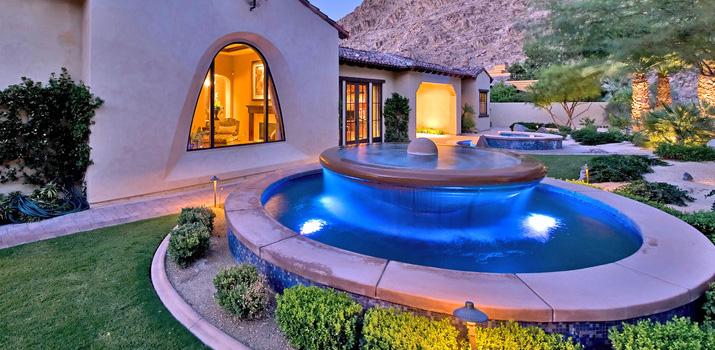
- Use it near a fountain as a drought-tolerant contrast.
- Combine it with locally made art or weathered stone.
A water feature can add sound and movement without turning the garden into a thirsty landscape. For installation ideas, In The Garden’s guide to small fountain basics explains how to plan placement, power and maintenance.
A Shrub Worth Making Room For
Texas sage offers Australian gardeners a practical blend of resilience, colour and architectural form. It handles heat, supports water-conscious planting and looks attractive through periods when many flowering shrubs have finished their display.
Use it as a border, feature plant, informal hedge or container specimen, then build the surrounding space with well-chosen planters, seating and decorative pieces. For vintage accents and outdoor character, browse AMG Vintage House as another source of inspiration.
Visit In The Garden for plants, garden décor and practical advice suited to warm-climate outdoor living, and let Texas sage become the starting point for a garden that is beautiful, durable and easy to enjoy.
Our Work
From cast iron fence posts and ornamental ironwork to European and domestic planters, urns, pedestals, and bird baths, In The Garden curates distinctive garden décor in both vintage and new pieces. The inventory is varied, eclectic, and ever changing, with over 35 years of green-industry experience behind the selections.
Browse our specialty plants & herbs, explore free-standing and lawn water fountains, or relax into a new patio set on view at the Spring Branch location.
Visit Our Spring Branch Nursery
Stop by 1405 Cedar Post Lane, Houston, TX 77055 — just off I-10 (Katy Freeway) at Blalock — to see what's in bloom today.
What We Carry
- Specialty plants & herbs
- Decorative accessories & statuary
- Planters, urns & pedestals
- Free-standing & lawn fountains
- Bird baths & garden accents
- Ornamental iron & cast iron fence posts
- Patio furniture
- Original art from local artists