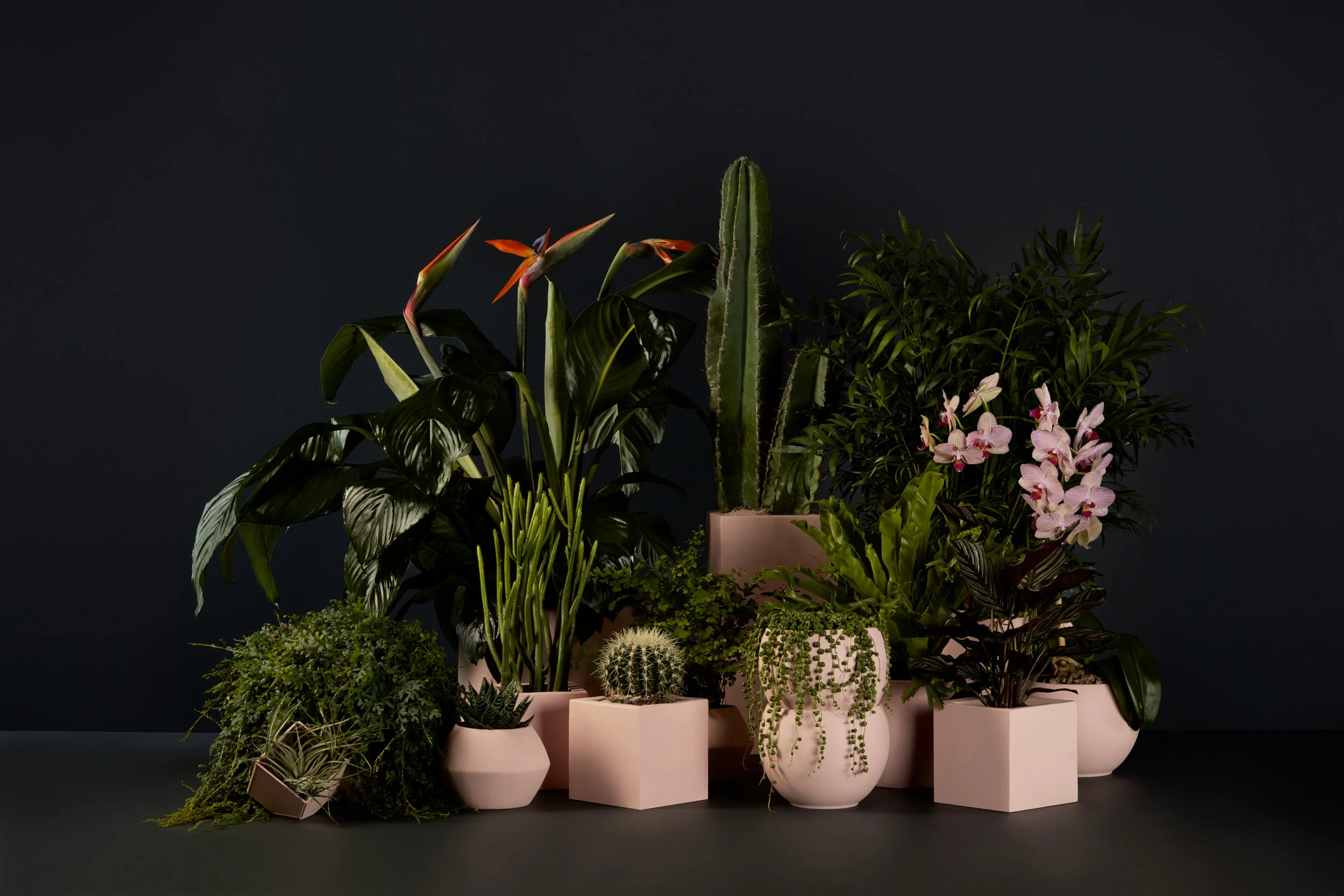
Serving Spring Branch and surrounding Houston neighborhoods since 1999. In The Garden is a hidden treasure for specialty plants, fountains, patio furniture, and one-of-a-kind garden accents.
A Spring Branch Original
Founded by Frank and Suzan Galvan, In The Garden grew from a landscaping enterprise and a warehouse full of unusual finds into a half-acre retail destination just off I-10 at Blalock.
The result is an eclectic, ever-changing mix of specialty plants, herbs, planters, fountains, statuary, patio furniture, and original art from local artists.
Choosing a statue that complements your garden style
Outdoor living is woven into the Australian way of life. From a courtyard in Fitzroy to a sprawling backyard in the Hills District, the garden often functions as an extension of the home, a place to entertain, reflect, and reconnect with nature. A well-chosen statue can anchor this space, giving it a focal point that draws the eye and ties the whole landscape together.
Yet picking the right piece is rarely as simple as falling in love with the first sculpture you see. Climate, scale, existing plantings, and personal taste all play a part. In a country where summer heat can scorch and coastal salt air can pit metal, the materials and finishes you choose matter as much as the design itself.
Garden statuary also reflects a cultural shift toward treating the backyard as a designed environment rather than a purely functional one. Across Sydney, Melbourne, and Brisbane, homeowners are blending sculptural elements with native grasses, edible beds, and quiet seating nooks. The result is a layered look that feels intentional rather than accidental.
Before you browse catalogues or visit a nursery, it helps to step back and consider what role you want the statue to play. Is it a quiet accent, a conversation starter, or the centrepiece of the entire garden? Answering that question first makes every later decision far easier.
Understanding your garden's personality
Every garden has a mood, and your statue should either echo or thoughtfully contrast with it. A formal garden in Adelaide's heritage suburbs might call for a classical urn or a symmetrical figure that reinforces clean lines and clipped hedges. A bush-style garden in the Perth foothills tends to welcome rougher, organic forms that mimic the textures of the surrounding landscape.
Think about the existing palette of your outdoor space. Cool greys from bluestone paving, warm reds from terracotta pots, and the silver-green of eucalyptus foliage all set different tones. A bright white concrete figure will feel jarring beside weathered sandstone, while a bronze piece can disappear into a dense native planting.
If you entertain often, consider how guests will move through the space. A statue at the end of a path invites a slow approach, while one beside a dining area becomes part of the conversation. The best pieces work with the way you actually use your garden, not against it.
Materials built for Australian conditions
Australia's climate is famously demanding. UV levels along the Queensland coast can bleach unprotected resin within a single season, while inland frosts in places like Ballarat can crack porous stone. Choosing a material suited to your local conditions is the single biggest factor in how a statue will age.
Reconstituted stone and cast concrete are popular workhorses. They handle sun, wind, and rain with little fuss, develop a soft patina over time, and remain relatively affordable. Genuine bronze or lead, by contrast, costs more upfront but rewards you with a living finish that shifts from polished shine to mottled green over decades.
Terracotta and ceramic pieces bring warmth and a Mediterranean feel that suits many Australian homes, though they need a stable plinth and a sheltered spot to avoid cracking. Resin and fibreglass offer lightweight options for renters or for gardeners who like to rearrange their layout each season.
| Material | Durability in Australian Sun | Typical Lifespan | Best Suited To | Care Level |
|---|---|---|---|---|
| Reconstituted stone | High | 20+ years | Formal and cottage gardens | Low |
| Cast concrete | High | 15 to 25 years | Large features, modern landscapes | Low |
| Bronze | Excellent | 50+ years | Heritage and statement pieces | Medium |
| Terracotta | Medium | 10 to 15 years | Mediterranean courtyards | Medium |
| Resin or fibreglass | Variable | 5 to 10 years | Renters, shaded positions | Low |
| Lead | Excellent | 50+ years | Classical gardens, sheltered courtyards | Medium |
Size, scale and visual weight
A common mistake is buying a statue that is either too small to read from a distance or too large to fit comfortably into the planting. As a rough guide, the piece should be roughly one-third the height of the nearest major plant or feature it sits beside, so it feels anchored rather than stranded.
In a compact courtyard in inner Sydney, a single 60-centimetre figure may be all the space can hold, and that is perfectly fine. In a generous acreage garden in the Yarra Valley, anything under a metre tall is likely to look lost. Always measure the spot before you buy, and mark it out with stakes or cardboard to gauge the scale.
Visual weight matters as much as physical weight. A dark, dense piece reads as heavier than a paler, more open form of the same size. If you want a feature that feels light and breezy, choose a design with negative space rather than a solid block.
Placement that draws the eye
Placement can transform even a modest piece into a striking focal point. The classic trick is to position the statue where a path bends or where the eye naturally rests, so it becomes a destination rather than an obstacle. Pairing it with a low hedge or a curved border of lavender or lomandra softens the transition from hardscape to sculpture.
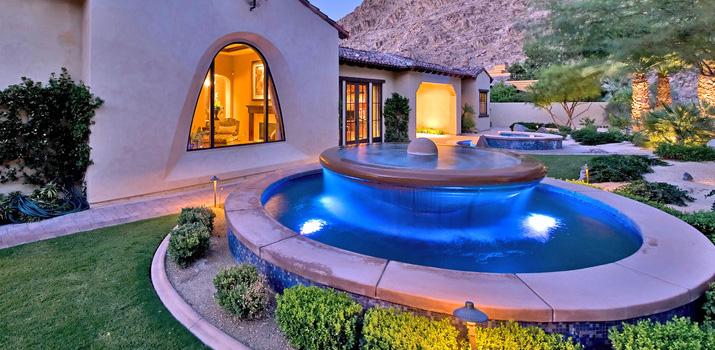
Water and sculpture enjoy a long partnership. A piece set near a fountain creates sound, reflection, and movement, turning a static object into a layered sensory experience. Browsing classic fountain designs alongside your statue shortlist can help you imagine how the two elements will read together.
Consider the sightlines from inside the home as well. A statue visible from the kitchen window or the living room becomes part of your daily view, so it deserves the same thought you would give to a piece of indoor art.
Pairing statuary with the wider garden
Statues rarely stand alone. They sit within a community of planters, seating, lighting, and patio furniture, and they should feel like part of that family. Matching the finish or tone of your statue to nearby elements ties the scheme together. A weathered stone figure beside sleek aluminium chairs can feel disjointed unless a unifying colour runs through both.
If your garden includes dining or lounging zones, choose timeless patio furniture that shares the same mood as your sculpture. A rustic figure suits timber and woven textures, while a clean modern form pairs well with powder-coated steel and minimalist lines.
Lighting also plays a quiet role. A solar uplight at the base of a statue creates drama after dusk, while softer path lights can guide visitors toward the piece without overpowering it. In bushfire-prone regions, opt for low-voltage LED fittings rather than open-flame torches nearby.
Practical recommendations before you buy
Even the most durable statue benefits from a little attention once it is in place. An annual clean with a soft brush and mild detergent prevents moss and lichen from building up, particularly on the southern side where moisture lingers. A sealant every few years helps porous materials shed water rather than absorb it. Plan a vibrant autumn planting schedule that frames the piece with rotating pots of kale, snapdragons, or native grasses to keep the scene fresh through the cooler months.
Think about the patina you want over time. Some gardeners love the aged look of lichen-softened stone, while others prefer to keep surfaces clean and crisp. Both approaches are valid, but deciding in advance means you can choose a material and finish that naturally evolves the way you want it to.
Use this checklist as you narrow your shortlist:
- Measure the spot first and mark the footprint with rope or cardboard to test scale.
- Match the material's finish to your existing paving, planters, and furniture tones.
- Choose UV-stable pieces if your statue will sit in full sun for most of the day.
- Consider how the statue will age, and decide whether you want patina or a clean look.
- Check the base or plinth, and plan for secure fixing if you live in a windy coastal suburb.
- Walk the sightlines from indoors to ensure the piece earns its place in your daily view.
- Buy from a specialist who understands local climate and can advise on long-term care.
Stepping back, choosing a statue is less about chasing trends and more about listening to what your garden is already saying. When the right piece finds its spot, the whole space settles into a quieter, more confident rhythm, and the garden begins to feel truly finished. Visit In The Garden to explore a curated selection of statues, fountains, and complementary pieces, and bring a photo of your outdoor space so the team can help you find a sculpture that feels like it has always belonged there.
Our Work
From cast iron fence posts and ornamental ironwork to European and domestic planters, urns, pedestals, and bird baths, In The Garden curates distinctive garden décor in both vintage and new pieces. The inventory is varied, eclectic, and ever changing, with over 35 years of green-industry experience behind the selections.
Browse our specialty plants & herbs, explore free-standing and lawn water fountains, or relax into a new patio set on view at the Spring Branch location.
Visit Our Spring Branch Nursery
Stop by 1405 Cedar Post Lane, Houston, TX 77055 — just off I-10 (Katy Freeway) at Blalock — to see what's in bloom today.
What We Carry
- Specialty plants & herbs
- Decorative accessories & statuary
- Planters, urns & pedestals
- Free-standing & lawn fountains
- Bird baths & garden accents
- Ornamental iron & cast iron fence posts
- Patio furniture
- Original art from local artists