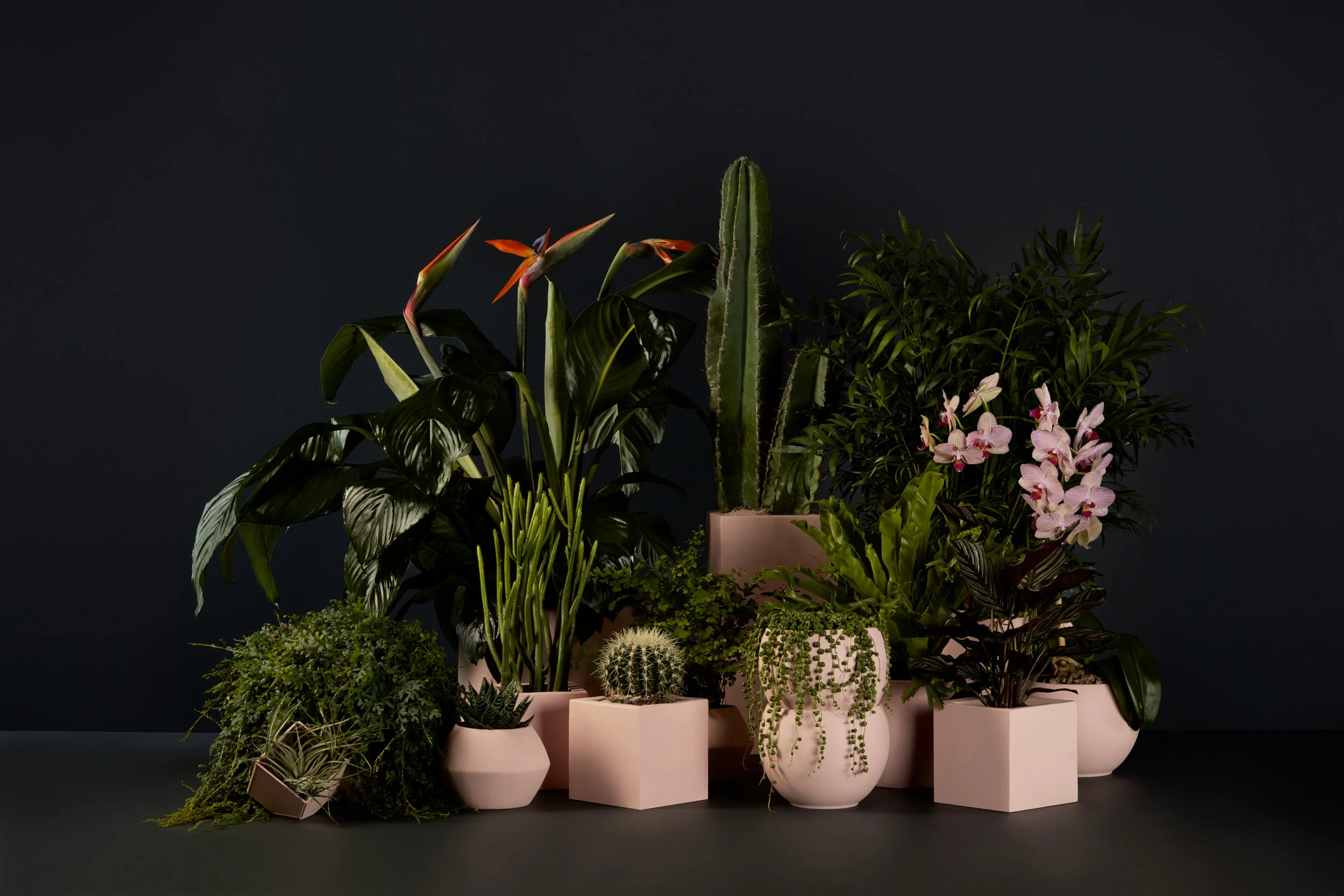
Serving Spring Branch and surrounding Houston neighborhoods since 1999. In The Garden is a hidden treasure for specialty plants, fountains, patio furniture, and one-of-a-kind garden accents.
A Spring Branch Original
Founded by Frank and Suzan Galvan, In The Garden grew from a landscaping enterprise and a warehouse full of unusual finds into a half-acre retail destination just off I-10 at Blalock.
The result is an eclectic, ever-changing mix of specialty plants, herbs, planters, fountains, statuary, patio furniture, and original art from local artists.
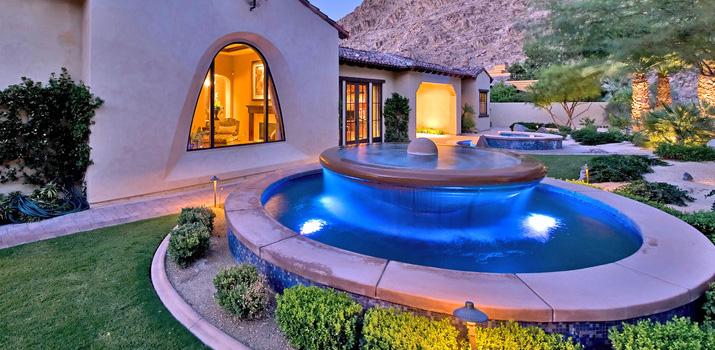
Installing a small fountain in your yard: a beginner's guide
A gently burbling fountain can transform an ordinary backyard into a tranquil retreat, and Australian homes are perfectly suited to this kind of feature. With our generous sunshine, outdoor entertaining culture, and love of garden makeovers from Brisbane to Perth, a small water feature offers year-round sensory appeal. The gentle sound of moving water also masks suburban noise from nearby streets, making your outdoor space feel more secluded and calm.
Before you start digging, it pays to understand a few basics about Australian conditions. Summer temperatures can climb above 40°C in Adelaide and inland parts of Victoria, so your fountain's materials and pump selection matter. Council rules around water use also vary between local government areas, particularly during drought declarations, so a quick check with your local authority can save headaches later.
This walk-through assumes no prior plumbing or landscaping experience. You'll learn how to pick a fountain that matches your yard, what tools to gather, how to install the piece safely, and how to keep it running smoothly through harsh Australian summers and beyond.
Planning your fountain placement
Pick your spot before you buy anything. Most small fountains perform best where they receive morning sun and afternoon shade, which prevents excessive algae growth and keeps water cooler during peak heat. Position the feature where you already spend hours relaxing, such as near a patio, beneath a pergola, or close to outdoor seating where you host weekend barbecues. A visible location near a window also lets you enjoy the fountain from indoors during cooler months.
Think about sightlines and noise levels too. A fountain placed too close to a neighbour's fence can sometimes cause friction, especially if the pump hums at night. In denser suburbs like those around Sydney's inner west or Melbourne's northern corridors, a modest feature with an adjustable flow valve lets you fine-tune the sound. Leave at least a metre of clearance behind the fountain for cleaning access and cable routing.
Check what's underground before you dig. In older established suburbs, you may encounter irrigation lines, gas pipes, or electrical conduits. Dial 1100 before any excavation to get a free map of buried services in your area. This single step prevents costly damage and keeps your project safe.
Selecting a fountain that suits your space
Small fountains come in several practical styles. Freestanding tiered models are the simplest, often arriving as a single unit that just needs water and power. Wall fountains save floor space and suit narrow side yards common in terrace-style Brisbane properties. Pondless or disappearing designs keep the reservoir hidden beneath decorative pebbles, which is ideal if you have curious pets or toddlers.
Materials matter in Australian conditions. Resin and fibreglass composites handle UV exposure better than cheap plastic and won't crack during sudden temperature drops in Hobart winters. Cast stone and concrete look timeless but are heavy, so you'll need help positioning them. If you're after a lighter option that still feels substantial, browsing the container selection available online offers ideas for pairing fountains with matching planters.
Consider whether you want solar or mains-powered. Solar pumps have dropped in price, and most Aussie backyards receive enough direct sunlight to run a small fountain reliably. Mains-powered pumps are stronger and more consistent but require a weatherproof RCD-protected outlet within reach of the feature.
Gathering tools and materials
Most small installations need only basic tools. A spade, level, tape measure, bucket, and stiff-bristle brush cover the groundwork. You'll also want a length of garden hose for initial filling, a few bags of decorative pebbles or river rocks, and either a paver base or a pre-formed reservoir depending on your chosen design.
Electrical requirements are minimal for solar units. For mains-powered pumps, a licensed electrician must install any new outdoor power point, which is a legal requirement under AS/NZS 3000 wiring rules. Don't be tempted to run an extension cord across the lawn as a permanent solution; it creates both a trip hazard and a serious electrocution risk.
Have some old towels, a tarp, and a wheelbarrow ready. Even modest cast-stone pieces can weigh 30 to 50 kilograms once removed from packaging. A mate, a neighbour, or a willing family member makes the moving and positioning far easier and safer.
Installing your fountain step by step
Start by marking out the footprint with stakes and string. Dig a shallow trench for the reservoir if your design calls for a submersible setup, ensuring the base is level in all directions. A spirit level is essential here; even a slight tilt causes water to spill unevenly and pumps to strain.
Lay your paver base or reservoir, then thread the pump cable through any designated channels before backfilling around the edges with soil or fine gravel. Position the fountain's decorative top section carefully, feeding the pump hose up through the centre as instructed by the manufacturer. Once everything sits true, fill the basin with clean water and plug in the pump to test the flow.
Adjust the flow valve until water cascades gently rather than gushing forcefully. Strong jets use more water and create excess splash, which matters if you're trying to keep your consumption modest. Once you're happy with the look, finish around the base with decorative pebbles and tidy any exposed cables with weatherproof conduit or by burying them at the recommended depth.
Water-wise operation and council rules
Australia's variable climate makes water management essential. Many councils, including those serviced by Sydney Water and Melbourne Water, impose restrictions during dry periods that can limit outdoor water use for topping up features. A rainwater tank plumbed to your fountain reservoir is the simplest way to stay compliant and reduce mains consumption.
Top-up frequency depends on evaporation and splash loss, which can be significant in Perth summers or during a Brisbane dry spell. Expect to add several litres every few days in peak heat. A small automatic top-up valve connected to a tank makes this almost invisible, and many councils offer rebates for rainwater harvesting installations.
Before installing anything, ring your local council or check their website for specific rules. Some municipalities classify fountains as water features with separate rules from ponds or pools, and a few heritage zones in places like Paddington or Fremantle have extra guidelines about visible garden structures. If you're buying parts or paying a contractor, using secure online methods such as those explained in this payment options overview can protect your transactions when shopping online for supplies.
Keeping your fountain in top condition
Regular maintenance keeps your fountain looking fresh and running quietly. Clean the pump intake every two to three months by removing debris and rinsing the impeller under a tap. In areas with hard water, such as much of South Australia, mineral buildup can clog nozzles quickly, so a monthly wipe-down with a mild vinegar solution helps.
Algae control is part of the routine, particularly in shaded corners. A few drops of fountain-safe additive keeps water clear without harming local wildlife, including the honeyeaters and finches that will quickly learn to visit your new feature. If mosquitoes become a concern during humid Darwin or Townsville summers, a small dose of approved larvicide or a moving water design prevents breeding. Bird baths placed nearby can redirect wildlife safely.
Winter care differs across regions. In frost-prone parts of the ACT or Tasmania, drain the reservoir and store pumps indoors during the coldest weeks. In subtropical and warmer zones, simply reduce the flow at night and check seals annually. A well-cared-for fountain should give you a decade of reliable service, often much longer.
| Fountain type | Best for | Power needs | Maintenance level |
|---|---|---|---|
| Freestanding tiered | Small courtyards, patios | Low (solar available) | Low |
| Wall-mounted | Narrow side yards | Low to medium | Low |
| Pondless or disappearing | Family-friendly spaces | Medium | Medium |
| Cast stone centrepiece | Larger established gardens | Medium to high | Medium |
| Solar bamboo | Balconies, small courtyards | None | Low |
Recommendations for a smooth installation
- Check your local council's water-use rules before buying a fountain
- Choose a spot with morning sun and afternoon shade to reduce algae
- Connect a rainwater tank to keep topping up during dry spells
- Hire a licensed electrician for any new outdoor power points
- Use a paver base to keep the fountain level and stable
- Match the fountain scale to your yard size; smaller often looks better
- Add native plants nearby to attract local birdlife naturally
Bring your garden to life with a feature that reflects your style. In The Garden offers a curated range of fountains, planters, and outdoor accessories suited to every kind of Australian backyard, from compact courtyards to sprawling family lawns. Start planning your perfect water feature today.
Our Work
From cast iron fence posts and ornamental ironwork to European and domestic planters, urns, pedestals, and bird baths, In The Garden curates distinctive garden décor in both vintage and new pieces. The inventory is varied, eclectic, and ever changing, with over 35 years of green-industry experience behind the selections.
Browse our specialty plants & herbs, explore free-standing and lawn water fountains, or relax into a new patio set on view at the Spring Branch location.
Visit Our Spring Branch Nursery
Stop by 1405 Cedar Post Lane, Houston, TX 77055 — just off I-10 (Katy Freeway) at Blalock — to see what's in bloom today.
What We Carry
- Specialty plants & herbs
- Decorative accessories & statuary
- Planters, urns & pedestals
- Free-standing & lawn fountains
- Bird baths & garden accents
- Ornamental iron & cast iron fence posts
- Patio furniture
- Original art from local artists