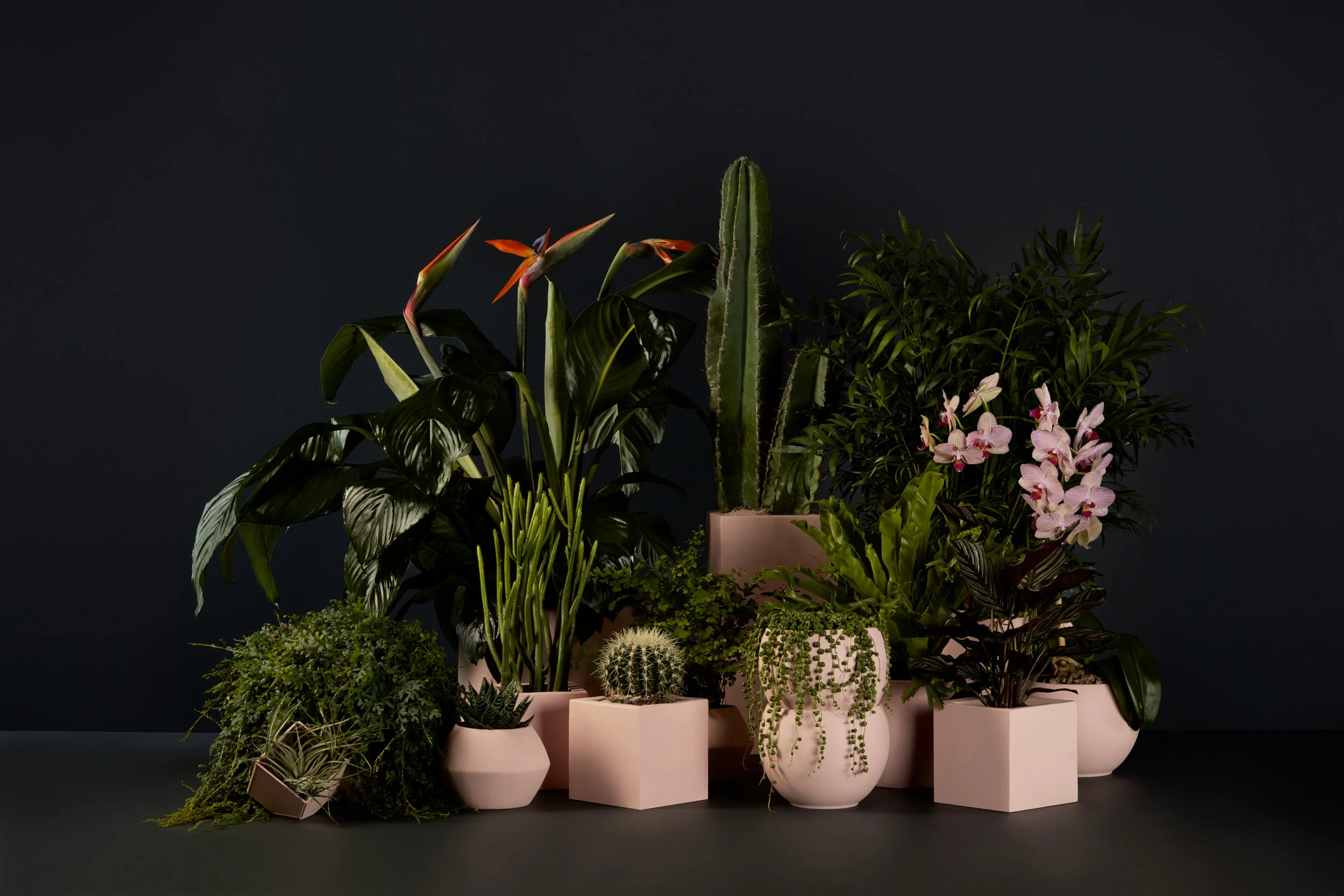
Serving Spring Branch and surrounding Houston neighborhoods since 1999. In The Garden is a hidden treasure for specialty plants, fountains, patio furniture, and one-of-a-kind garden accents.
A Spring Branch Original
Founded by Frank and Suzan Galvan, In The Garden grew from a landscaping enterprise and a warehouse full of unusual finds into a half-acre retail destination just off I-10 at Blalock.
The result is an eclectic, ever-changing mix of specialty plants, herbs, planters, fountains, statuary, patio furniture, and original art from local artists.
How to Design a Shade Garden That Thrives in Houston’s Heat
A successful shade garden in Houston is less about finding a dark corner and filling it with random greenery than understanding filtered light, humidity, reflected heat and seasonal rainfall. The right plants can create a cool, layered outdoor room that remains attractive through long summers while reducing stress on surrounding trees and garden beds.
For Australian gardeners, the principles are useful well beyond Texas. A Brisbane courtyard may combine heat and humidity, a Sydney garden may face water restrictions, and a Perth block may have intense sun beside dry, sandy soil. The key is to read the site carefully, choose plants for its actual conditions and treat shade as a design opportunity rather than a limitation.
Read the shade and heat around your site
Begin by observing the garden throughout the day. Morning light is gentler than afternoon light, while reflected heat from brick walls, concrete paving and metal fences can make a supposedly shaded position surprisingly harsh. In Houston, high humidity and warm nights add further pressure, so plants need good airflow as well as protection from direct sun.
Mark areas of deep shade, dappled shade and bright indirect light. A mature tree may cast moving shade in summer but allow winter sun through bare branches, while a covered patio may remain consistently dark. Australian gardeners should make similar observations in Brisbane or Sydney, where a north- or west-facing wall can radiate heat long after sunset.
For climate inspiration, browse the plant combinations, outdoor furnishings and garden accents featured by In The Garden, a Houston nursery serving residential and commercial spaces. Its approach reflects the value of designing the whole outdoor setting rather than selecting plants in isolation.
Build a layered planting scheme
Shade gardens look more natural and perform better when they contain several heights. Use a canopy or small ornamental tree where space allows, then add shrubs, foliage plants, groundcovers and low edging plants. This layered structure fills visual gaps and helps the soil retain moisture.
Broad-leaved tropical plants can provide a lush effect in warm, humid conditions, while tough perennials and ornamental grasses bring texture to brighter shade. For an Australian garden, consider climate-appropriate choices such as bird’s nest fern, clivia, lomandra, dianella or native violet, depending on region and soil. In Melbourne, frost tolerance matters more than it would in Houston; in Perth, drought tolerance and drainage become priorities.
Avoid crowding plants at installation. Mature width is just as important as height, particularly beneath established trees where roots compete for water. Leave enough space for air circulation, pruning and access around fountains, seating areas and pathways.
Improve soil without damaging tree roots
Houston soils often contain heavy clay, which can hold water around roots after heavy rain and then bake hard as it dries. Work with the soil rather than creating a small pocket of rich earth that differs sharply from the surrounding ground. Add compost or well-rotted organic matter to improve structure, but avoid piling soil against trunks or burying surface roots.
In established shade, tree roots may occupy much of the available soil. Dig gently and use a narrow trowel instead of turning the entire bed. A surface layer of compost followed by organic mulch is usually safer than extensive excavation. Keep mulch a few centimetres away from trunks and crowns to prevent rot and pest problems.
Australian gardeners should test soil before adding amendments. Perth’s sandy soils may need organic matter and water-holding improvements, while clay soils around Melbourne can benefit from gypsum only where a soil test indicates it is appropriate. Healthy soil supports stronger plants, but the right amendment depends on local conditions.
Water deeply and monitor humidity
New plants require consistent watering while their roots establish, even when the garden is designed for lower maintenance later. Water slowly at the root zone rather than spraying leaves, especially in humid weather. Drip irrigation or a soaker hose can deliver moisture efficiently beneath mulch and reduce evaporation.
Houston’s heavy storms do not always mean every plant is well watered. Dense foliage and compacted soil can cause runoff, while tree roots may intercept rainfall before it reaches new plantings. Check soil moisture with your finger and adjust irrigation seasonally rather than following a fixed timer.
In Australia, household watering rules vary by state and council. Sydney and Melbourne residents may need to follow current staged restrictions, while Brisbane gardeners should check local regulations during drought periods. Rainwater tanks, captured roof runoff and mulch can reduce mains-water use, but any plumbing connection must comply with local requirements and be installed safely.
Add structure with paths, containers and water
Hardscape gives a shade garden definition when flowering is limited. A winding path, raised planter, bench or small architectural feature can create a destination beneath trees. Pale gravel, textured stone and light-coloured pots can brighten dark areas, while timber and terracotta add warmth.
Containers are especially useful where tree roots make planting difficult. Select large pots with drainage holes, use a quality growing mix and group plants according to their water needs. Containers dry faster than garden beds during hot weather, so they need regular checks and may require shade cloth or relocation during extreme heat.
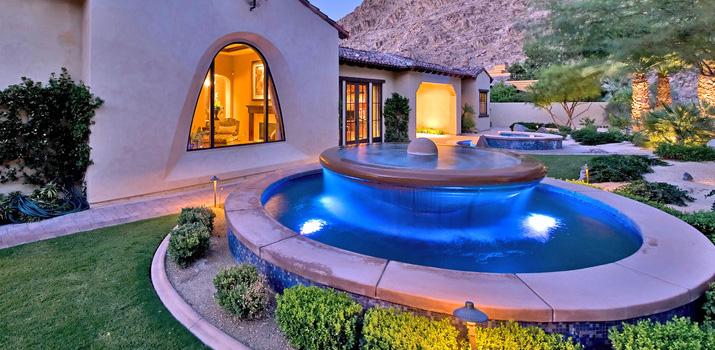
Water features can bring movement and cooling sound, but they need thoughtful placement. Keep electrical installations compliant with AS/NZS 3000 and use a licensed electrician for fixed outdoor wiring in Australia. In New South Wales, a new home or substantial renovation may also need to account for BASIX water-efficiency requirements, so integrate landscape planning early. For Houston-specific guidance or project details, use the contact page before selecting large features or specialist plants.
A practical planting checklist
Use this checklist to turn observations into a resilient garden plan:
- Record sunlight, reflected heat, wind and drainage at different times of day.
- Choose plants suited to the exact shade level, not simply a general “shade” label.
- Combine evergreen foliage, seasonal colour, varied textures and different plant heights.
- Improve soil gradually and protect exposed tree roots during preparation.
- Install mulch, efficient irrigation and drainage before the hottest weather arrives.
- Select containers and features that suit the scale of the space and local regulations.
- Check mature plant size, maintenance needs and water requirements before buying.
Review the garden every few months. Plants that thrive may need dividing, while struggling specimens may be receiving too little light, excessive moisture or competition from tree roots. Seasonal adjustments are normal and help the planting become more self-sufficient over time.
A cool, generous shade garden begins with careful observation and finishes with details that invite people outdoors. Visit a specialist nursery, compare foliage and textures in person, and seek climate-aware advice before committing to major purchases. With the right plants, soil care, irrigation and structure, even a heat-exposed courtyard can become a comfortable green retreat.
Our Work
From cast iron fence posts and ornamental ironwork to European and domestic planters, urns, pedestals, and bird baths, In The Garden curates distinctive garden décor in both vintage and new pieces. The inventory is varied, eclectic, and ever changing, with over 35 years of green-industry experience behind the selections.
Browse our specialty plants & herbs, explore free-standing and lawn water fountains, or relax into a new patio set on view at the Spring Branch location.
Visit Our Spring Branch Nursery
Stop by 1405 Cedar Post Lane, Houston, TX 77055 — just off I-10 (Katy Freeway) at Blalock — to see what's in bloom today.
What We Carry
- Specialty plants & herbs
- Decorative accessories & statuary
- Planters, urns & pedestals
- Free-standing & lawn fountains
- Bird baths & garden accents
- Ornamental iron & cast iron fence posts
- Patio furniture
- Original art from local artists