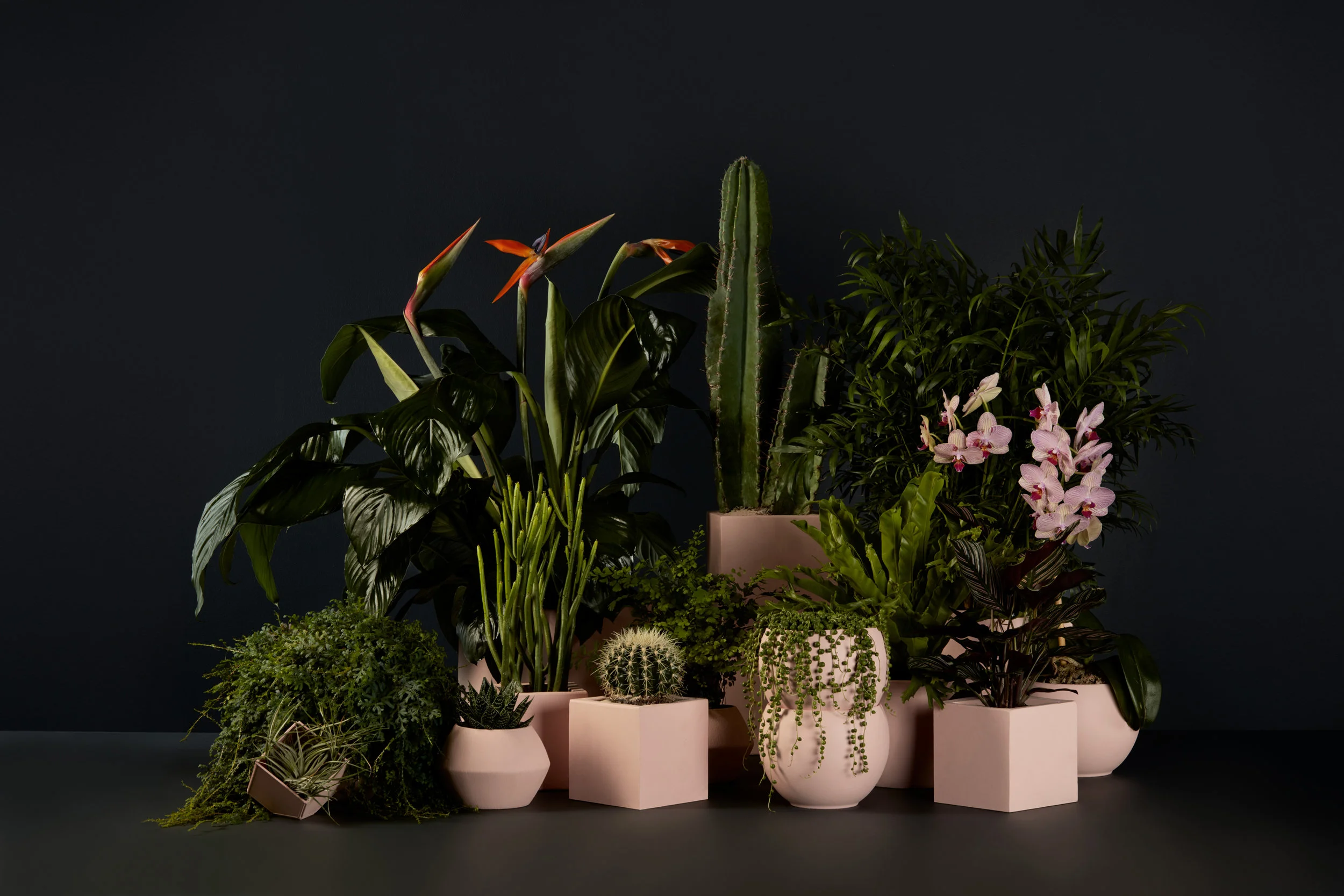
Serving Spring Branch and surrounding Houston neighborhoods since 1999. In The Garden is a hidden treasure for specialty plants, fountains, patio furniture, and one-of-a-kind garden accents.
A Spring Branch Original
Founded by Frank and Suzan Galvan, In The Garden grew from a landscaping enterprise and a warehouse full of unusual finds into a half-acre retail destination just off I-10 at Blalock.
The result is an eclectic, ever-changing mix of specialty plants, herbs, planters, fountains, statuary, patio furniture, and original art from local artists.

Natural weed control for healthy flower beds
Preventing weeds naturally in flower beds begins with soil and planting design, not with a spray. Dense roots, steady moisture and an unbroken surface cover make it harder for annual weeds to germinate. This approach suits Australian gardens, where summer rain, dry spells and warm soil can otherwise produce several waves of seedlings in a single season.
Conditions change sharply across Australia. Brisbane gardens often have humid, heavy soil; Sydney receives useful winter rain; Melbourne has cooler springs and hot, dry summers; Perth has a Mediterranean pattern with limited winter rainfall. Match the method to your site rather than copying a Houston planting calendar, because the same month can bring opposite seasons.
A weed-free bed is not a sealed plot. Seeds arrive on wind, footwear and bird droppings, while new plants sometimes arrive with nursery soil. The aim is to prevent most weeds, remove the remainder while it is small, and avoid creating bare ground where seeds can settle.
In The Garden’s Houston team offers practical guidance for warm, humid growing conditions, and many of its soil, mulch and planting ideas translate well to Australian flower beds. The most useful principle is universal: improve the ground, choose vigorous plants, cover exposed soil and inspect often. Local climate still determines what will thrive.
Build the soil before you battle the weeds
Test your soil before adding anything. Incorporate a 2–3 cm layer of mature compost into the upper soil, loosening compacted ground without turning it over deeply. This Australian garden-centre staple improves water retention in Perth sand and nutrient-holding capacity in Brisbane clay while giving bedding plants a stronger start.
Buy certified, weed-free compost rather than unprocessed manure or garden waste. Check imported potting mixes and manure for declared weed content, and do not dig up roadside soil, which commonly brings seeds. Remove existing weeds while preparing the bed, including the roots of perennial grasses and groundsel, then water the soil before planting.
Choose plants that close the gaps
Close small spaces with compatible groundcovers, bulbs and sturdy perennials. A combination of evergreen foliage and seasonal flowers is more useful than a single spreading species. Test vigorous plants in a pot first, because some can escape into neighbouring gardens or overwhelm smaller beds.
Timing helps. For a practical comparison, In The Garden’s September planting guide shows a Houston autumn while much of Australia enters spring. Read it for warm-soil ideas, then reverse the season: plant quick-growing annuals after frost risk passes in Melbourne, and use mild Perth winters for cool-season flowers.
At local nurseries and weekend plant markets, look for climate-suitable groundcovers such as native violet or locally native grasses. Ask nursery staff about mature size and regional restrictions, then group plants by similar water and light needs so dense growth remains healthy.
Use mulch to cover bare soil
Apply a 5–8 cm layer of organic mulch after planting, keeping it 3–5 cm away from crowns and stems. Composted bark, clean straw, leaf litter and coarse plant material slow evaporation, soften soil and interrupt weed seedlings. Replenish the mulch as it settles, and avoid repeatedly digging through it, which can expose buried seeds.
Define paths and bed edges clearly so bare soil is not used as a walking route. Terracotta pieces, reclaimed timber and older decorative pots can become durable borders. For a weathered accent, the careful method in this period-correct paint finish guide shows how to refresh an object rather than discard it. Secure lightweight edging so it cannot shift after heavy Australian rain.
Water deliberately and remove weeds early
Water at soil level, preferably with drip irrigation or a soaker hose, and do so deeply but less often. Early-morning watering reduces evaporation, while keeping foliage dry lowers fungal risk in humid districts. Schedule around local council restrictions, remembering that a briefly dry surface does not mean the root zone is dry.
Inspect beds every week during active growth. Pull weeds when they are tiny, loosen damp soil first, and take the entire root for perennials such as dandelion, plantain and couch grass. Dispose of seed heads in household waste rather than a warm compost heap, and clean tools before moving to another bed.
Large container plants can make useful anchors at a bed edge. A citrus tree in a substantial pot adds height and shade, although soil beneath it still needs checking; In The Garden’s container citrus advice covers drainage and pot choice. Choose a container broad enough for the mature tree, and avoid placing it where roots will prise up nearby pavers.
Work with heat and seasonal cycles
Let a cleared patch remain weed-free long enough for existing seeds to germinate, then remove that flush and sow the desired cover. This stale-seedbed method works particularly well before spring planting. Water the exposed area for one or two weeks, wait for weeds, clear them, and only then add mulch or seedlings.
Maintain the defence through each local season: renovate spring beds in Melbourne, refresh mulch before summer growth in Brisbane, and prepare autumn beds during Perth’s dry season. Avoid flame weeding near dry native vegetation unless local fire authorities permit it, and never leave a heated patch unattended.
A reliable weekly maintenance routine
Weed control works best as a simple routine rather than a dramatic weekend cleanup. Use this sequence when the soil is moist, and adjust it to the weather and the plants’ growth rate.
- Inspect beds weekly and remove weed seedlings before they flower or set seed.
- Add mature compost once or twice a year to maintain soil structure and plant vigour.
- Top up organic mulch to 5–8 cm, keeping it clear of stems and plant crowns.
- Water deeply at soil level and check for moisture beneath the mulch before watering again.
- Clean hand tools after working among perennial weeds to prevent seeds spreading elsewhere.
Keep a small hand fork, long-handled hoe and gloves together in a dedicated pot, then disinfect the fork after working among diseased or creeping weeds. A clear route through the bed prevents people from trampling young plants and bringing new seeds into the soil.
Turn your next planting day into a weed-smart plan
Turn the first mild weekend of spring into a planting date. Choose one manageable bed, sketch where mature plants will spread, and gather compost, mulch and groundcovers before making a purchase. Select vigorous, non-invasive plants that suit your light, soil and rainfall pattern.
Explore In The Garden for specialty plants, herbs, planters, fountains, statuary, architectural pieces and locally made art, and check its seasonal displays and workshops for planning ideas. Use Houston’s climate notes only where local conditions match yours. Start with one protected, densely planted section, then expand as it becomes the most productive part of your garden.
Our Work
From cast iron fence posts and ornamental ironwork to European and domestic planters, urns, pedestals, and bird baths, In The Garden curates distinctive garden décor in both vintage and new pieces. The inventory is varied, eclectic, and ever changing, with over 35 years of green-industry experience behind the selections.
Browse our specialty plants & herbs, explore free-standing and lawn water fountains, or relax into a new patio set on view at the Spring Branch location.
Visit Our Spring Branch Nursery
Stop by 1405 Cedar Post Lane, Houston, TX 77055 — just off I-10 (Katy Freeway) at Blalock — to see what's in bloom today.
What We Carry
- Specialty plants & herbs
- Decorative accessories & statuary
- Planters, urns & pedestals
- Free-standing & lawn fountains
- Bird baths & garden accents
- Ornamental iron & cast iron fence posts
- Patio furniture
- Original art from local artists