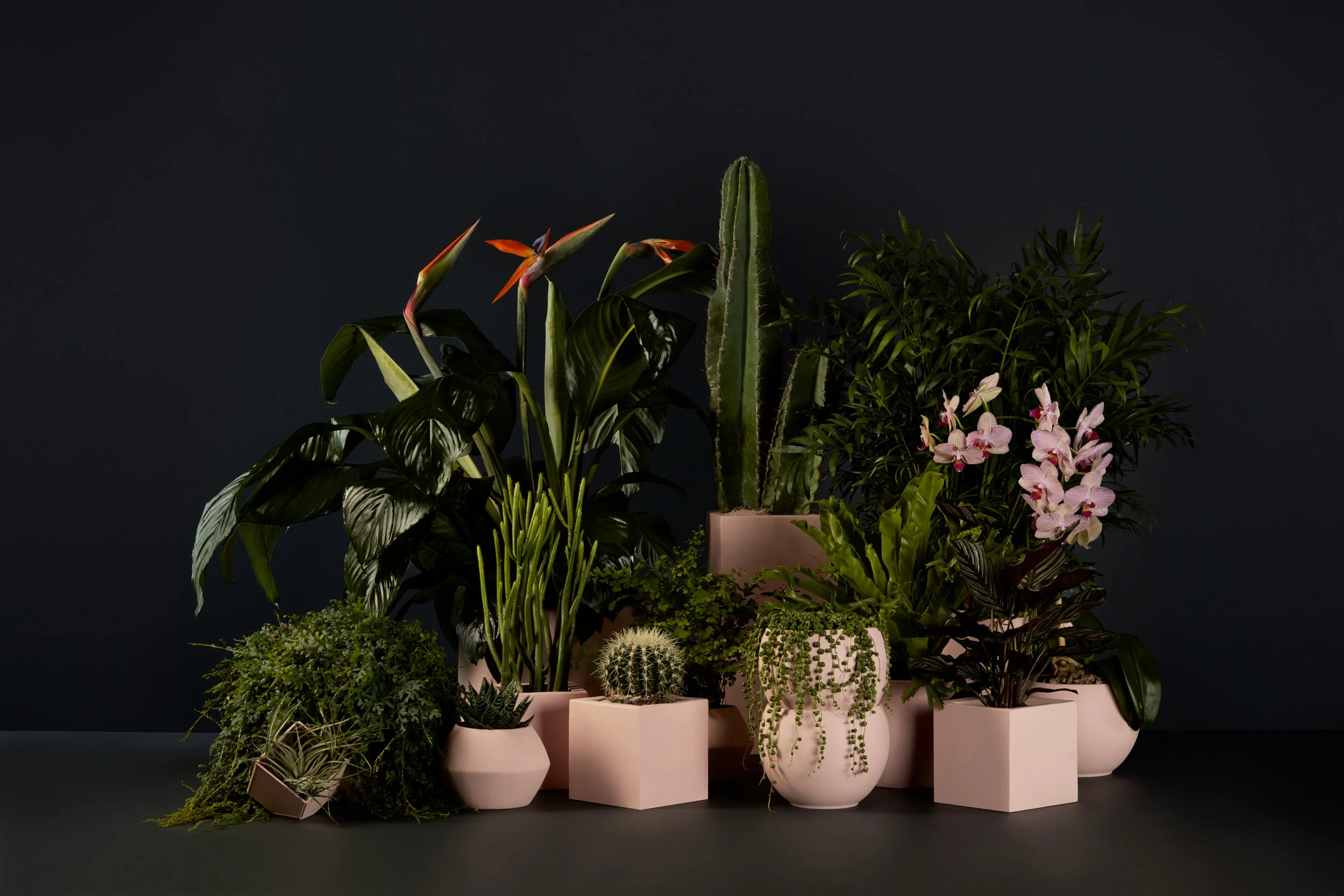
Serving Spring Branch and surrounding Houston neighborhoods since 1999. In The Garden is a hidden treasure for specialty plants, fountains, patio furniture, and one-of-a-kind garden accents.
A Spring Branch Original
Founded by Frank and Suzan Galvan, In The Garden grew from a landscaping enterprise and a warehouse full of unusual finds into a half-acre retail destination just off I-10 at Blalock.
The result is an eclectic, ever-changing mix of specialty plants, herbs, planters, fountains, statuary, patio furniture, and original art from local artists.

Grow a productive citrus tree on a Houston patio
A potted citrus tree can bring glossy foliage, fragrant flowers and home-grown fruit to even a compact Houston courtyard. Lemons, calamondins, kumquats and mandarins are especially rewarding choices because they suit container culture and can be moved when the weather turns sharply cold.
For Australian readers, the same principles apply to a sunny balcony in Brisbane, a courtyard in Sydney or a sheltered patio in Melbourne, although Houston’s heat, humidity and occasional freezes require a different seasonal rhythm. The aim is a healthy root system, excellent drainage and enough sunlight for reliable flowering and fruiting.
Choose a citrus variety that suits the space
Start with a naturally compact or dwarf citrus. Meyer lemon, calamondin, kumquat, dwarf lime and small mandarin cultivars are practical options for a patio, while full-sized grapefruit and orange trees quickly become difficult to move. A grafted tree from a reputable nursery is usually more dependable than raising citrus from seed, which can produce unpredictable fruit and a very large plant.
Look for dark green leaves, flexible new growth and no visible scale, mites or sticky residue. The trunk should be firm, with no sunken patches at the graft union. In Houston, a local specialist such as In The Garden can help match a plant to the patio’s light, drainage and winter exposure.
Give the tree sun, shelter and room
Citrus generally performs best with six to eight hours of direct sunlight. Place the pot where morning and midday light reach the leaves, but protect it from reflected heat beside a west-facing brick wall. Good air movement helps foliage dry after rain, an important consideration during Houston’s humid summer.
A rolling plant caddy makes a large container easier to move into a garage or covered area during a hard freeze. Australian gardeners can use the same approach for a Melbourne frost, while Brisbane growers may focus more on shelter from intense summer rain. In Sydney, a north-facing balcony or courtyard can provide excellent light, provided neighbouring walls do not create a stagnant pocket of heat.
Build the right container and soil mix
Choose a pot with several generous drainage holes and a diameter only 10–15 centimetres wider than the current root ball. Oversizing the container can leave unused mix wet for too long. Terracotta breathes well but dries faster; glazed ceramic retains moisture; lightweight resin is easier to shift when the tree is heavy with fruit.
Use a high-quality citrus or premium potting mix amended with composted organic matter and a free-draining component such as perlite, pumice or fine pine bark. Do not use garden soil in a container, as it compacts around roots. Set the graft union above the mix, leave a few centimetres below the rim for watering and add a thin organic mulch without touching the trunk.
| Patio condition | Best container approach | Key care adjustment |
|---|---|---|
| Hot, bright Houston patio | Glazed pot or quality resin container | Check moisture frequently during summer |
| Humid, rainy Brisbane | Fast-draining mix and raised pot feet | Empty saucers after storms |
| Sydney courtyard | Medium-to-large pot with morning sun | Rotate the tree for even growth |
| Melbourne patio | Portable container in a sheltered position | Move indoors or under cover before frost |
| Dry Perth balcony | Larger pot with moisture-retentive premium mix | Use mulch and inspect leaves often |
Water slowly until it runs from the drainage holes, then wait until the upper few centimetres of mix feel dry before watering again. A fixed calendar is less useful than checking the soil, because wind, pot material, rainfall and tree size all change demand. Never let the container sit in water.
Feed, prune and monitor regularly
Citrus are hungry plants during active growth. Apply a citrus fertiliser according to the label in spring and summer, dividing the annual amount into several smaller feeds. A slow-release product can reduce missed applications, while a liquid feed is useful when a tree shows pale new leaves or is recovering from heavy fruiting.
Prune lightly to remove dead, crossing or weak branches and any shoots emerging below the graft. Avoid severe pruning before the hottest part of the Houston summer, when exposed branches can sunburn. Remove a portion of developing fruit if a young tree sets more than it can support; a smaller crop often produces stronger growth and larger fruit.
Watch for scale, aphids, leaf miners and spider mites. Inspect the undersides of leaves each week and respond early with a strong water spray, horticultural oil or another treatment approved for edible plants. Ant activity can signal honeydew-producing pests. Good spacing and clean fallen leaves also reduce disease pressure.
Make the patio feel like an outdoor room
A citrus tree can anchor a seating area as effectively as a decorative urn or sculpture. Pair it with a low planter, a weather-resistant bench and a gravel or tiled surface that keeps splashes away from walls. A small fountain adds movement and cooling sound; this small fountain guide covers practical placement and installation considerations.
For Australian homes, think about the way outdoor areas are used through the year: a Brisbane deck may need shade and airflow, while a Melbourne terrace benefits from a sunny wall and easy winter access. Even personal details can make the space inviting. A casual textile, such as a pre-loved shirt styled with care, can inspire the relaxed colour palette described in this chambray styling guide, with blue-grey pots, natural timber and soft outdoor fabrics.
Keep a simple seasonal care routine
Houston citrus can remain outdoors for much of winter, but a sudden freeze can damage leaves, flowers and young fruit. Move containers to a protected garage, porch or covered patio when freezing weather is forecast, and avoid fertilising or encouraging tender new growth late in the season. After cold weather, wait until damage is clear before pruning.
A mild winter still requires observation because wet soil and low light can stress roots. The guidance in preparing Houston garden beds offers useful seasonal context, even for container gardeners. In Australian climates, adjust the routine to local conditions: protect Melbourne trees from frost, give Brisbane plants shelter during prolonged rain and provide Perth containers with extra irrigation during dry spells.
Practical habits for a healthier tree
- Check pot moisture with your finger before every thorough watering.
- Rotate the container by a quarter turn every week for balanced growth.
- Keep mulch and fallen leaves away from the trunk and graft union.
- Feed during active growth rather than through the coldest or wettest period.
- Inspect leaves, stems and new shoots for pests whenever you water.
- Move the tree before extreme heat, a Houston freeze or a Melbourne frost.
- Record flowering, feeding and harvest dates to refine care next season.
With the right pot, a sunny position and steady attention, citrus becomes a productive feature rather than a fragile decoration. Visit In The Garden for containers, plant advice and outdoor pieces that suit a Houston patio, then give your tree a well-drained home and enjoy the first fragrant flush of flowers.
Our Work
From cast iron fence posts and ornamental ironwork to European and domestic planters, urns, pedestals, and bird baths, In The Garden curates distinctive garden décor in both vintage and new pieces. The inventory is varied, eclectic, and ever changing, with over 35 years of green-industry experience behind the selections.
Browse our specialty plants & herbs, explore free-standing and lawn water fountains, or relax into a new patio set on view at the Spring Branch location.
Visit Our Spring Branch Nursery
Stop by 1405 Cedar Post Lane, Houston, TX 77055 — just off I-10 (Katy Freeway) at Blalock — to see what's in bloom today.
What We Carry
- Specialty plants & herbs
- Decorative accessories & statuary
- Planters, urns & pedestals
- Free-standing & lawn fountains
- Bird baths & garden accents
- Ornamental iron & cast iron fence posts
- Patio furniture
- Original art from local artists