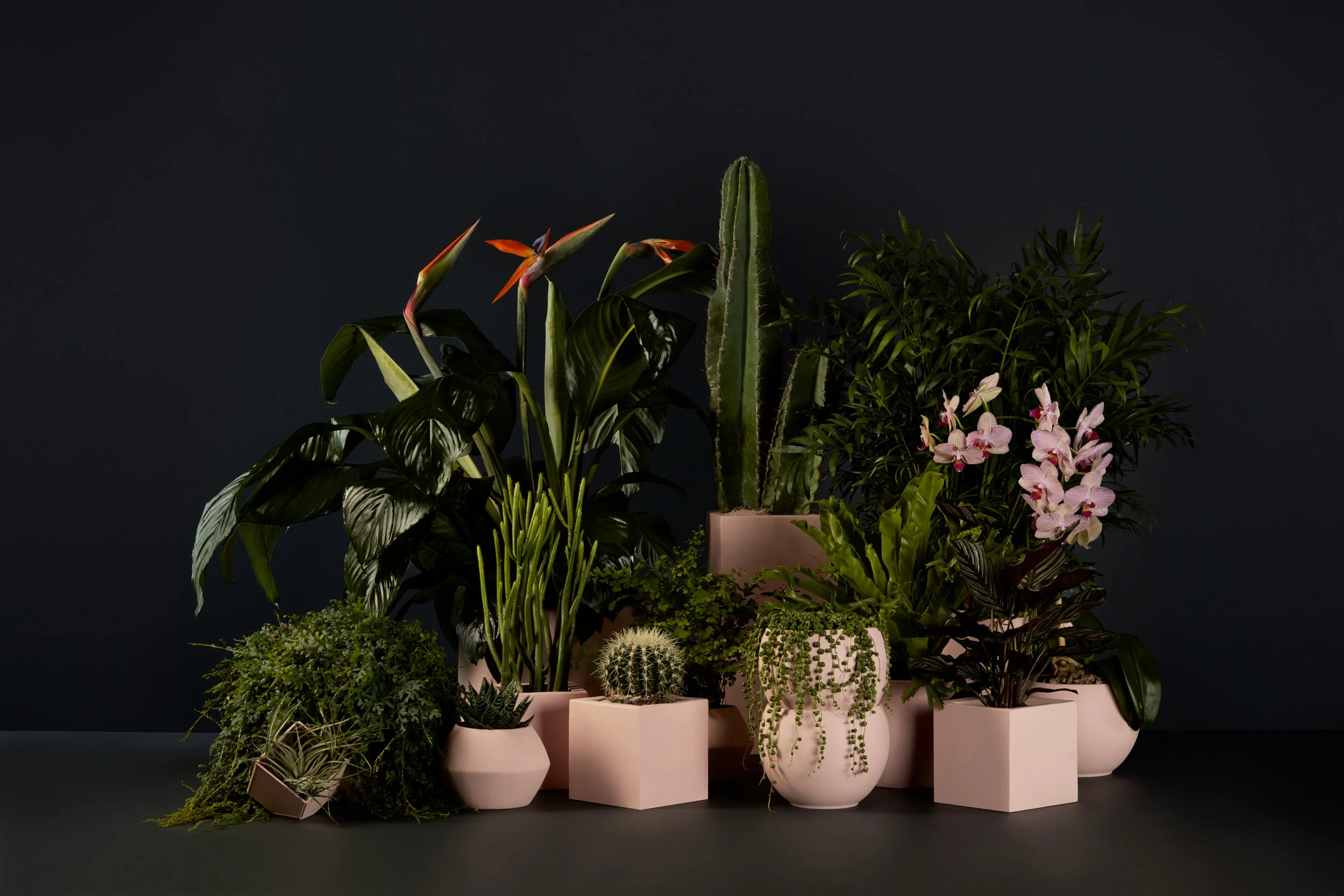
Serving Spring Branch and surrounding Houston neighborhoods since 1999. In The Garden is a hidden treasure for specialty plants, fountains, patio furniture, and one-of-a-kind garden accents.
A Spring Branch Original
Founded by Frank and Suzan Galvan, In The Garden grew from a landscaping enterprise and a warehouse full of unusual finds into a half-acre retail destination just off I-10 at Blalock.
The result is an eclectic, ever-changing mix of specialty plants, herbs, planters, fountains, statuary, patio furniture, and original art from local artists.

Houston’s fall vegetable garden: what to plant in September
September marks a useful seasonal shift in Houston. Summer heat begins to ease, although warm soil and sudden heavy rain can still shape every planting decision. For gardeners in Spring Branch and nearby neighbourhoods, this is the moment to replace tired summer crops with cool-season vegetables that can grow through autumn and into winter. Learn more about 206436 The Best Native Plants For Spring Branch Landscapes.
Australian readers will recognise the rhythm, even though the calendar differs by region. September is spring in Australia, so a gardener in Brisbane, Sydney or Melbourne would use different crops and planting dates. The shared lesson is to follow soil temperature, daylight and local weather rather than relying on a calendar alone.
Why September works in Houston
Houston’s long growing season gives gardeners two productive windows: a warm-season garden in spring and summer, followed by a cooler autumn crop. In September, direct sun remains strong, so seedlings need regular moisture while they establish. By late October, cooler nights make leafy greens and root vegetables much more comfortable.
Begin by clearing diseased plants and removing fallen leaves that could shelter pests. Avoid working wet clay soil, since digging when saturated can create dense clumps and poor drainage. A thin layer of compost worked into the top few centimetres will improve structure without overwhelming new roots.
Vegetables to sow and transplant
Fast-growing greens are among the safest September choices. Leaf lettuce, spinach, mustard greens, Swiss chard, kale and collards can be sown in succession, giving you smaller, fresher harvests instead of one oversized crop. Choose heat-tolerant varieties for early September, then switch to more cold-hardy selections as temperatures fall.
Root crops also suit Houston’s autumn garden. Plant beetroot, radishes, carrots and turnips in loose soil, removing stones before sowing. Broccoli, cabbage, cauliflower and Brussels sprouts are best started as healthy transplants, because young plants need time to establish before colder weather arrives.
For herbs, try coriander, parsley, chives, dill and fennel. Coriander is especially useful when cooler weather arrives, since it is less likely to bolt than it does during Houston’s hot summer. Small plantings every two or three weeks help maintain a steady supply for soups, salads and weekend cooking.
A simple planting checklist
Good preparation makes a bigger difference than packing every available space with seedlings. Leave enough room for airflow, particularly around leafy greens and brassicas, which can suffer when foliage stays damp after rain.
Use containers if your garden has heavy clay, poor drainage or limited sun. A deep planter can support herbs, lettuce, radishes and compact greens, while raised beds offer easier control over soil texture. In Australia, this same container approach is popular on balconies in Sydney and Melbourne, where rented homes and small courtyards often limit permanent garden beds.
- Clear spent summer crops and inspect the soil for pests
- Add compost, aged manure or a quality vegetable-growing mix
- Sow quick crops every two to three weeks
- Label varieties and planting dates for future planning
- Keep young seedlings shaded during extreme afternoon heat
Water, sun and seasonal protection
Most autumn vegetables need at least six hours of sunlight, though lettuce and herbs appreciate light afternoon shade while September remains hot. Water deeply at the root zone rather than sprinkling the leaves. Early morning watering reduces evaporation and gives foliage time to dry.
A layer of untreated mulch helps stabilise soil moisture and temperature. Keep mulch a few centimetres away from plant stems to discourage rot and hiding pests. Watch for caterpillars on brassicas, aphids on tender growth and snails after wet weather. Hand-picking, row covers and careful inspection can reduce problems before stronger treatments are needed.
| Crop | Start in September | First harvest | Useful note |
|---|---|---|---|
| Radish | Seed | 3–5 weeks | Sow regularly for continuity |
| Lettuce | Seed or transplant | 4–8 weeks | Give afternoon shade early |
| Kale | Transplant | 6–10 weeks | Harvest outer leaves first |
| Carrot | Seed | 8–12 weeks | Keep soil evenly moist |
| Broccoli | Transplant | 10–14 weeks | Protect from caterpillars |
| Coriander | Seed | 4–6 weeks | Succession sow to prevent gaps |
Beneficial insects can become part of the planting plan. Flowering herbs, zinnias and other nectar-rich plants bring pollinators near the edible beds without taking much space. For ideas that extend beyond vegetables, explore this guide to butterfly-friendly planting.
Make the garden productive and attractive
An edible garden does not have to look purely functional. Arrange pots at different heights, repeat colours through foliage and use attractive containers near a patio or back door. A large planter of parsley or chard can act as both a kitchen resource and a decorative feature.
This matters for Australian households accustomed to outdoor living, whether that means a shaded Queensland veranda, a Melbourne courtyard or a Sydney entertaining area. Local councils may impose watering restrictions during dry periods, so efficient irrigation, mulch and drought-aware planting are practical habits rather than optional extras. Always check current council rules before installing irrigation or using mains water outdoors.
Decorative pieces can also give a vegetable garden a finished appearance. A weathered urn, reclaimed bench or architectural accent can frame a bed without competing with the plants. For inspiration on vintage outdoor character, browse AMG Vintage House before choosing a focal piece.
Useful combinations for a mixed edible garden include:
- Kale with parsley and trailing nasturtiums
- Carrots with onions or chives
- Lettuce beneath taller broccoli plants
- Coriander near a frequently used kitchen path
Keep harvesting through winter
Harvest leafy crops often, taking the outside leaves first and leaving the centre growing. Pick radishes and beetroot while they are young and tender, and cut herbs in the morning once plants are dry. Regular harvesting encourages fresh growth and prevents the garden from becoming crowded.
When a planting finishes, re-sow immediately if the weather permits. Houston’s mild winters can support several rounds of greens, while a sudden freeze may require frost cloth or temporary protection. Containers are easier to move against a wall or beneath cover, making them valuable for tender herbs and young seedlings.
Australian gardeners should also consider biosecurity when sourcing seed or plant material. State and territory rules can restrict the movement of soil, plants and untreated produce, especially between regions. Buying from reputable local nurseries and following label directions protects both the home garden and the broader horticultural industry.
In Spring Branch, a specialist nursery can help match varieties to Houston’s heat, drainage and planting calendar. In The Garden offers vegetables alongside planters, herbs, outdoor furnishings and gardening guidance, making it a useful place to compare practical growing needs with the look you want for your patio.
Visit In The Garden to choose autumn vegetable plants, containers and garden accents for a productive September planting. With the right crops, steady watering and a little succession sowing, your Houston garden can keep supplying fresh harvests well beyond summer.
Our Work
From cast iron fence posts and ornamental ironwork to European and domestic planters, urns, pedestals, and bird baths, In The Garden curates distinctive garden décor in both vintage and new pieces. The inventory is varied, eclectic, and ever changing, with over 35 years of green-industry experience behind the selections.
Browse our specialty plants & herbs, explore free-standing and lawn water fountains, or relax into a new patio set on view at the Spring Branch location.
Visit Our Spring Branch Nursery
Stop by 1405 Cedar Post Lane, Houston, TX 77055 — just off I-10 (Katy Freeway) at Blalock — to see what's in bloom today.
What We Carry
- Specialty plants & herbs
- Decorative accessories & statuary
- Planters, urns & pedestals
- Free-standing & lawn fountains
- Bird baths & garden accents
- Ornamental iron & cast iron fence posts
- Patio furniture
- Original art from local artists