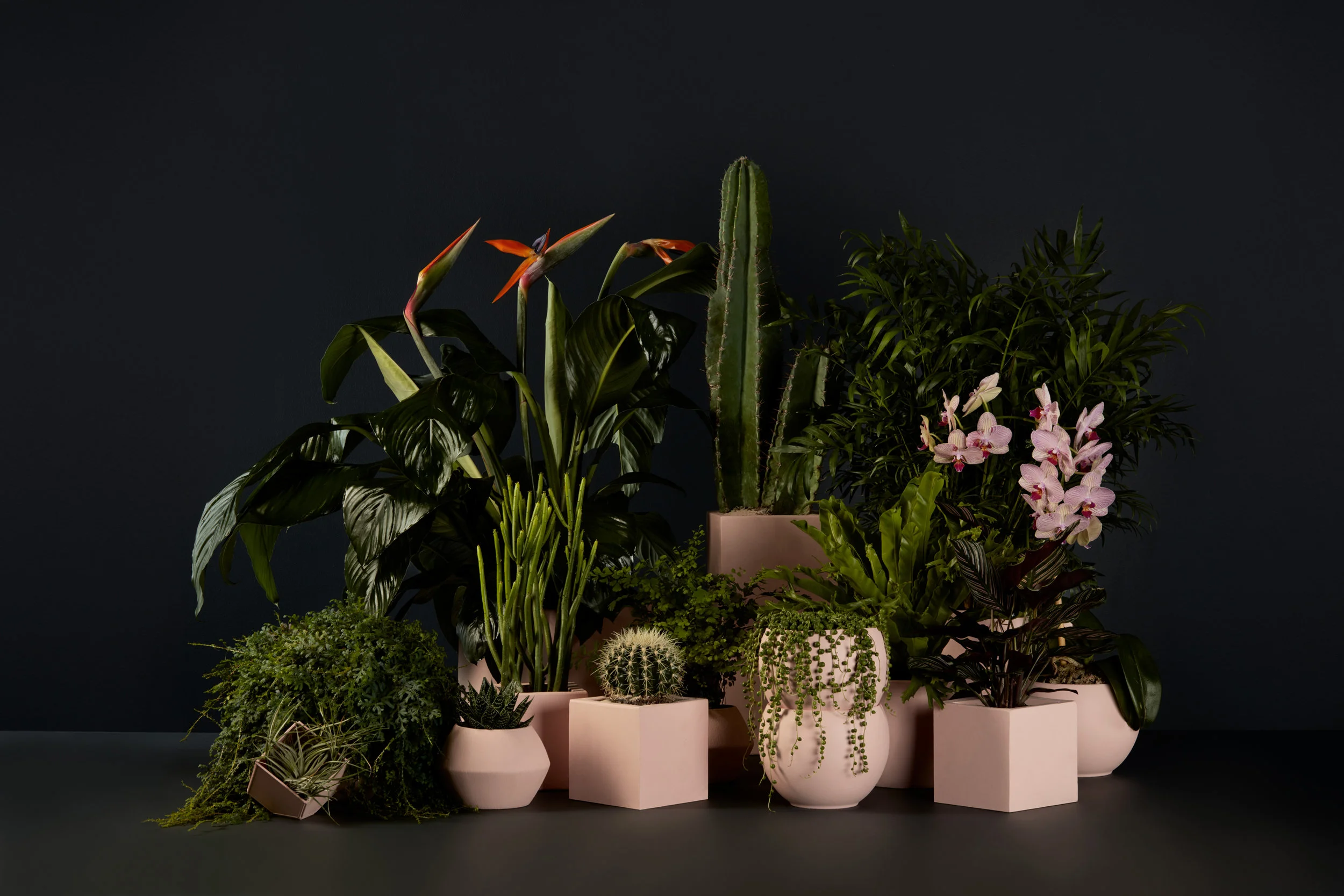
Serving Spring Branch and surrounding Houston neighborhoods since 1999. In The Garden is a hidden treasure for specialty plants, fountains, patio furniture, and one-of-a-kind garden accents.
A Spring Branch Original
Founded by Frank and Suzan Galvan, In The Garden grew from a landscaping enterprise and a warehouse full of unusual finds into a half-acre retail destination just off I-10 at Blalock.
The result is an eclectic, ever-changing mix of specialty plants, herbs, planters, fountains, statuary, patio furniture, and original art from local artists.
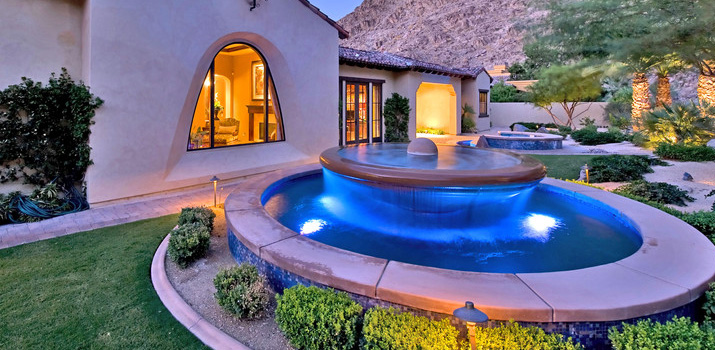
Repurposed architectural pieces for Australian gardens
An old front door, stone window surround or weathered timber screen can bring texture and history to an Australian backyard. Rather than hiding these elements indoors, homeowners can turn them into focal points, plant supports or markers along a path. The result feels collected over time, with each piece adding character that mass-produced décor often lacks.
Using repurposed architectural pieces as garden art works best when the object suits its setting and climate. A reclaimed feature should feel integrated with the architecture, provide a useful framework for plants, and remain safe through wind, rain and seasonal heat. Thoughtful placement matters more than expense, especially in outdoor rooms that are used throughout the year.
From salvage to garden art
A salvaged doorway can turn an ordinary path into a memorable garden moment. Stone surrounds, weathered timber screens, iron vents and broken floor tiles can hold treasures, frame herbs or catch water. Their value lies in patina and association: a look at corner cupboard history shows how builders once turned everyday architectural elements into household features. Reusing such a piece preserves that story while giving it a new role outdoors.
The strongest garden displays begin with placement, not decoration. A former window frame might lean against a wall as a trellis, while a cast-iron vent becomes a wall pocket for succulents. A column can mark a path, and a balustrade section can define a raised bed. In a brick veneer or weatherboard home, the contrast between old masonry and crisp timber often looks especially effective.
Sourcing pieces for Australian homes
Australian buyers can find architectural pieces through salvage dealers, demolition firms, architectural reuse yards, flea markets and online listings. Sydney has a strong appetite for reclaimed sandstone, while Melbourne homes often feature pressed-metal and brick heritage details; elsewhere, terracotta tiles and old doors appear in suburban renovation yards. Checking demolition suppliers and local salvage operators is usually more productive than searching only for conventional garden ornaments.
Houston offers a useful climate comparison because its lots can be exposed to fierce winds and blazing sun. The nursery’s wind-resistant plant guidance explains how to protect young plants in open sites, a lesson that travels well to Australian courtyards, where reflected heat and drying winds can be just as punishing. Pair architectural screening with plants that can handle the actual exposure rather than choosing solely for lush foliage.
Aussie gardeners often call a modest backyard refresh a beaut, and a salvaged feature can create the focal point without the expense of a full redesign. Before buying, measure the piece and the intended space, then confirm whether it can be moved safely. Heritage overlays, dividing-fence rules and council guidelines may affect a front-garden installation, so check local requirements before digging or anchoring.
Preparing reclaimed objects for outdoor use
Preparation starts with cleaning and repair. Scrape loose debris, treat active timber decay, remove rust where feasible and use products suited to the material. Old brick or sandstone may need gentle washing; apply a compatible breathable sealer only where the masonry requires it. Porous terracotta should be soaked before planting so it does not wick moisture from the root ball. Avoid aggressive pressure that can damage soft masonry, and test any paint or chemical treatment on a hidden patch.
Set pieces on stable, level foundations and fix tall or narrow objects against wind. For containers, check drainage and use a free-draining potting mix rather than heavy garden soil. When a salvaged pot or lined opening is ready for new growth, advice on successful seedling transplanting can help with hardening off and avoiding root disturbance. Position the planting at a similar depth to its nursery pot, water thoroughly, and shelter young plants until established.
Pairing architecture with native plants
Planting should suit the local climate, not the look of a stock photograph. Perth and Adelaide gardeners might combine drought-tolerant herbs with sculptural succulents, while Sydney and Brisbane gardens can use evergreen shrubs, ferns and moisture-loving foliage in filtered light. Melbourne and southern Tasmania need plants that tolerate winter wet and occasional frost. Native species selected for the site provide resilience and a stronger sense of place.
A simple herb spiral shows how a modest structure can organise several growing conditions, and the same principle works around salvaged masonry. Keep vigorous plants away from a small pocket, reserve the wetter base for herbs that need more moisture, and use the sunny edge for heat-loving varieties. The spiral can sit beside an old wall or define one corner of a larger courtyard.
Scale and sightlines matter as much as colour. Repeat one or two plant families around a feature so it feels integrated, then let a contrasting focal plant stand out. Keep foliage from hiding hand-crafted details, and leave enough space for the piece to be seen from the main viewing point. Decorative gravel, bark or river stone can define the base while improving access for mowing and maintenance.
Choosing a durable garden display
Before committing, compare the condition, weight and practicality of a salvaged object with purpose-made alternatives. These checks prevent an ambitious idea from becoming an awkward installation.
Checks before purchase
- Structure: Look for cracks, rot, corrosion and loose joints that affect stability.
- Surface: Confirm that brick, stone, timber or metal can withstand permanent outdoor exposure.
- Fixings: Check whether the piece can be safely anchored, particularly in windy coastal areas.
- Drainage: Ensure planters and planting pockets release water freely.
Design decisions should reflect daily use and maintenance. The right choices create a strong focal point without turning the garden into a cluttered collection.
Design choices for daily use
- Proportion: Match the feature to the wall, path or planting bed, not only to the available floor space.
- Sightlines: Place it where it can be appreciated from the house or main path.
- Planting: Repeat a restrained palette and keep foliage from hiding crafted details.
- Access: Leave room for weeding, watering and safe cleaning.
| Consideration | Reclaimed architectural piece | Purpose-made garden ornament |
|---|---|---|
| Character | Unique patina and a connection to the building’s past | Consistent finish and predictable style |
| Initial outlay | May cost more after transport and restoration | Often simpler to buy and install |
| Installation | Can be heavy and require specialist anchors | Usually lighter with standard fixings |
| Ongoing care | Needs periodic checks for decay, rust and sealant | Maintenance requirements are easier to plan |
Start with one focal object and build the planting around it. Browse the range at In The Garden for specialty plants, planters, fountains, statuary, locally made art and architectural accessories, then combine its Houston climate guidance with advice from an Australian nursery or landscaper. Measure the site, choose materials suited to local weather, and let the finished feature feel settled from its first season.
Our Work
From cast iron fence posts and ornamental ironwork to European and domestic planters, urns, pedestals, and bird baths, In The Garden curates distinctive garden décor in both vintage and new pieces. The inventory is varied, eclectic, and ever changing, with over 35 years of green-industry experience behind the selections.
Browse our specialty plants & herbs, explore free-standing and lawn water fountains, or relax into a new patio set on view at the Spring Branch location.
Visit Our Spring Branch Nursery
Stop by 1405 Cedar Post Lane, Houston, TX 77055 — just off I-10 (Katy Freeway) at Blalock — to see what's in bloom today.
What We Carry
- Specialty plants & herbs
- Decorative accessories & statuary
- Planters, urns & pedestals
- Free-standing & lawn fountains
- Bird baths & garden accents
- Ornamental iron & cast iron fence posts
- Patio furniture
- Original art from local artists