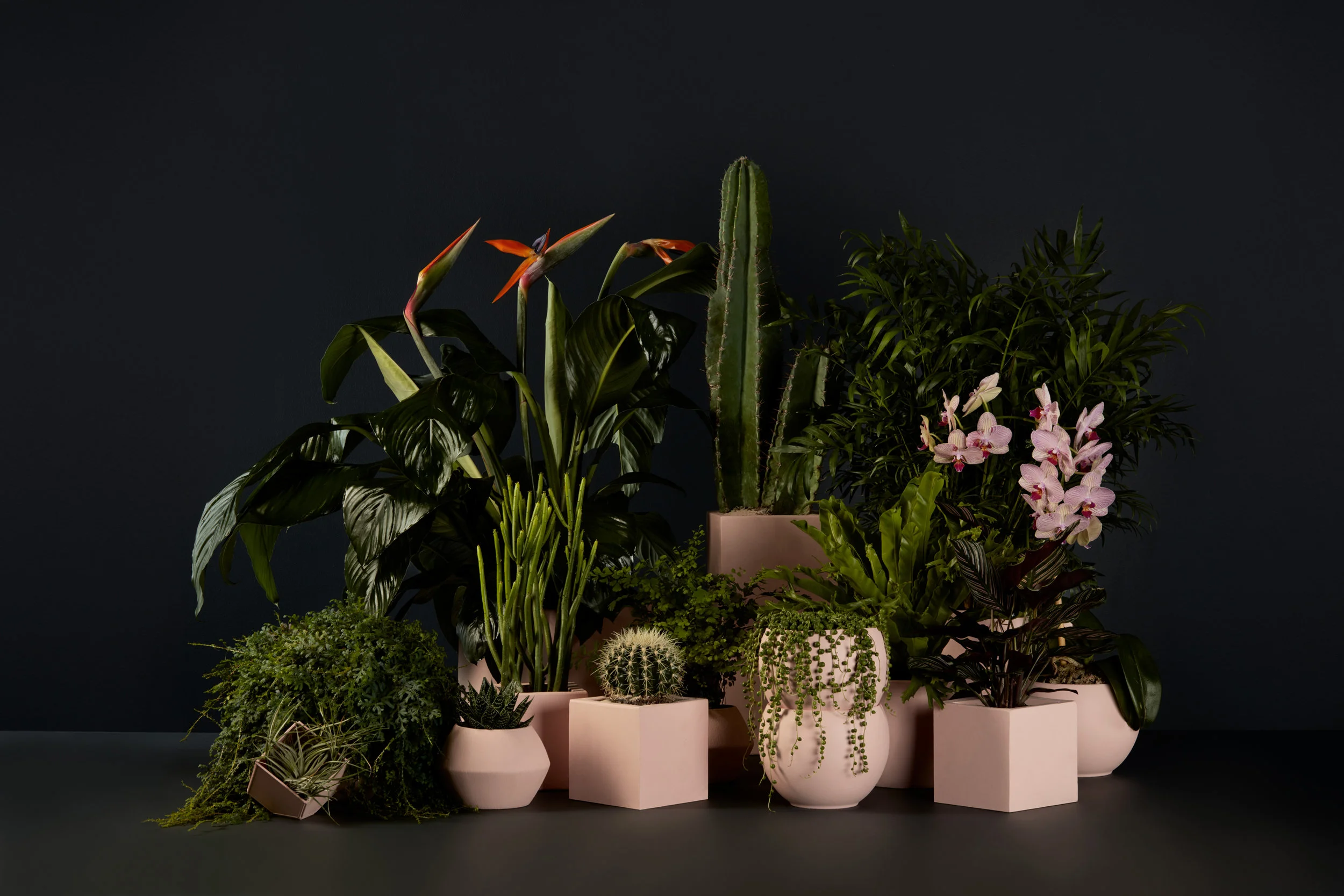
Serving Spring Branch and surrounding Houston neighborhoods since 1999. In The Garden is a hidden treasure for specialty plants, fountains, patio furniture, and one-of-a-kind garden accents.
A Spring Branch Original
Founded by Frank and Suzan Galvan, In The Garden grew from a landscaping enterprise and a warehouse full of unusual finds into a half-acre retail destination just off I-10 at Blalock.
The result is an eclectic, ever-changing mix of specialty plants, herbs, planters, fountains, statuary, patio furniture, and original art from local artists.

How to build a simple herb spiral in your yard
If you have ever dreamed of stepping outside to snip fresh basil, rosemary, or thyme for dinner, a herb spiral might be the most rewarding weekend project you tackle this season. The concept, rooted in permaculture thinking, packs a surprising variety of growing conditions into a compact footprint by spiralling upward like a snail shell.
In a country as climatically diverse as Australia, the design adapts beautifully to backyards from Hobart to Cairns. Australian gardeners have long embraced the idea of working with limited space and tricky soils, from courtyard renters in Fitzroy to quarter-acre blocks in Adelaide and coastal patios in Wollongong.
Sunny crowns of the spiral favour Mediterranean herbs, while the shaded lower pockets retain moisture for leafy favourites. The shape also suits outdoor entertaining areas, where a sculptural herb feature can sit beside a barbecue or fire pit without feeling out of place.
Building one does not require a tradesperson. With a weekend, a few bags of materials, and a clear plan, you can shape a permanent feature that produces flavour for years.
Why a herb spiral suits Australian conditions
The design mimics a small hill, with stone or brick walls winding upward to a central peak. Each turn creates a slightly different exposure, drainage level, and soil depth. Mediterranean herbs such as oregano, thyme, sage, and rosemary thrive in the dry, sunny upper zones, while moisture-loving herbs settle at the cooler base.
Australian soils range from pure sand along the coast to heavy clay inland, and a raised spiral sidesteps both extremes. The thermal mass of brick or stone also buffers roots against the cold snaps that occasionally reach Melbourne gardens in July. The shape produces food without demanding much more than a square metre of ground.
Choosing the right location for your spiral
Pick a spot that catches at least five hours of direct sun, ideally facing north in the southern states. In Brisbane or Perth, where summer sun is intense, a position with afternoon shade from a fence will protect delicate leaves. Observe the site across a full day before digging, because shadows from a neighbour's pergola or your own Hills hoist can shift with the seasons.
Drainage matters more than many beginners realise. Avoid the lowest point of your yard, especially in regions with heavy summer storms, and raise the spiral on a base of compacted rubble if pooling is an issue. Keep the spiral close to the kitchen door, because a short walk means you will reach for fresh herbs instead of the dried jar.
Materials, tools, and a realistic budget
The classic spiral uses bricks, but sandstone blocks, terracotta roof tiles laid on edge, or stacked wine bottles can work. Second-hand bricks are easy to find at Bunnings Warehouse, local tip shops, or community Buy Nothing groups. Aim for around 120 to 180 bricks for a medium spiral roughly 1.5 metres across at the base.
You will also need gravel, garden mix, compost, and sugarcane mulch. Budget between one hundred and three hundred dollars depending on whether you choose new or recycled stone. Independent garden centres such as inthegardenhouston.com combine plants, stone, and decorative accents, a model most capital-city nurseries in Australia also follow.
Building the structure step by step
Mark the footprint by laying a hose on the ground in a spiral that starts wide and winds inward to a single point. Most spirals complete between one and a half and two full turns. Dig a shallow trench along the line, about ten centimetres deep, to seat the first course of bricks.
Lay the first course, checking that each brick sits level both side to side and front to back. As the wall rises, taper the gap so the spiral tightens toward the top. Fill the internal space with coarse rubble for drainage, then add garden mix, leaving room at the top for compost-rich soil. Continue stacking until the wall reaches roughly one metre, stepping each course back toward the centre for stability.
Planting the spiral with the right herbs
Group herbs by water needs rather than by cuisine. The driest, sunniest crest is the home of rosemary, thyme, oregano, and sage. The middle slopes suit basil, parsley, coriander, and dill. The cool, damp base near the shaded side is perfect for mint, which is best contained in a sunken pot within the spiral.
Buy seedlings from your local nursery rather than seed, because herbs establish faster. Water in thoroughly after planting and keep the soil just damp for the first two weeks. For a sense of how seasonal planting plays out in warm climates, this Houston fall vegetable guide translates well to early spring choices in temperate Australia.
Watering, feeding, and seasonal care
Drip irrigation makes life easier through Australian summers, but a simple soak with the hose twice a week is enough for most herbs. Water at the base in the early morning or late afternoon to reduce evaporation, and direct more water toward the lower tiers. Mulch with sugarcane, lucerne, or pea straw to keep roots cool.
Feed lightly. Mediterranean herbs prefer lean soil and develop stronger flavours when not over-fertilised, so a quarterly top-dress of compost and an occasional seaweed solution is plenty. In Adelaide's Mediterranean climate, growth surges in spring and autumn and slows in the harshest weeks of January and February, while humid Darwin brings fungal risk that calls for careful pruning.
Expanding the garden around the spiral
Once the herb spiral is established, it tends to inspire further projects. A small fruit tree or a bay laurel in a nearby pot extends the productive zone, and a simple cane structure can support climbing beans. A practical next step is this bamboo trellis guide, which mirrors the spiral's hand-built feel.
The spiral also pairs nicely with a small seating area where evenings drift into long dinners under string lights. Position a chair within reach of the herbs, and harvesting becomes part of the routine rather than another chore on the list.
Smart choices for your herb spiral build
- Source bricks or stone locally to keep costs down and match the regional character of your garden
- Position the spiral within easy reach of the kitchen to encourage daily harvesting
- Group herbs by water needs rather than by cuisine to reduce maintenance
- Use dry-stacked construction if you rent or expect to relocate within a few years
- Layer rubble, branches, and soil in that order to create long-term drainage
- Mulch with sugarcane or lucerne straw to retain moisture through hot Australian summers
- Plant in autumn or early spring so roots establish before the harshest heat arrives
Before you start, pause on the relationship between small, purposeful objects and the rituals of home. A short read on the Hoosier cabinet history traces how one piece of kitchen furniture reshaped daily cooking, and the same instinct for clever, compact design lives on in a herb spiral. Start sketching yours this weekend, choose the sunniest patch, gather a few friends and some surplus bricks, and within a day you will have a living feature that seasons your cooking, softens the garden, and rewards every visit with something fresh to pick.
Our Work
From cast iron fence posts and ornamental ironwork to European and domestic planters, urns, pedestals, and bird baths, In The Garden curates distinctive garden décor in both vintage and new pieces. The inventory is varied, eclectic, and ever changing, with over 35 years of green-industry experience behind the selections.
Browse our specialty plants & herbs, explore free-standing and lawn water fountains, or relax into a new patio set on view at the Spring Branch location.
Visit Our Spring Branch Nursery
Stop by 1405 Cedar Post Lane, Houston, TX 77055 — just off I-10 (Katy Freeway) at Blalock — to see what's in bloom today.
What We Carry
- Specialty plants & herbs
- Decorative accessories & statuary
- Planters, urns & pedestals
- Free-standing & lawn fountains
- Bird baths & garden accents
- Ornamental iron & cast iron fence posts
- Patio furniture
- Original art from local artists