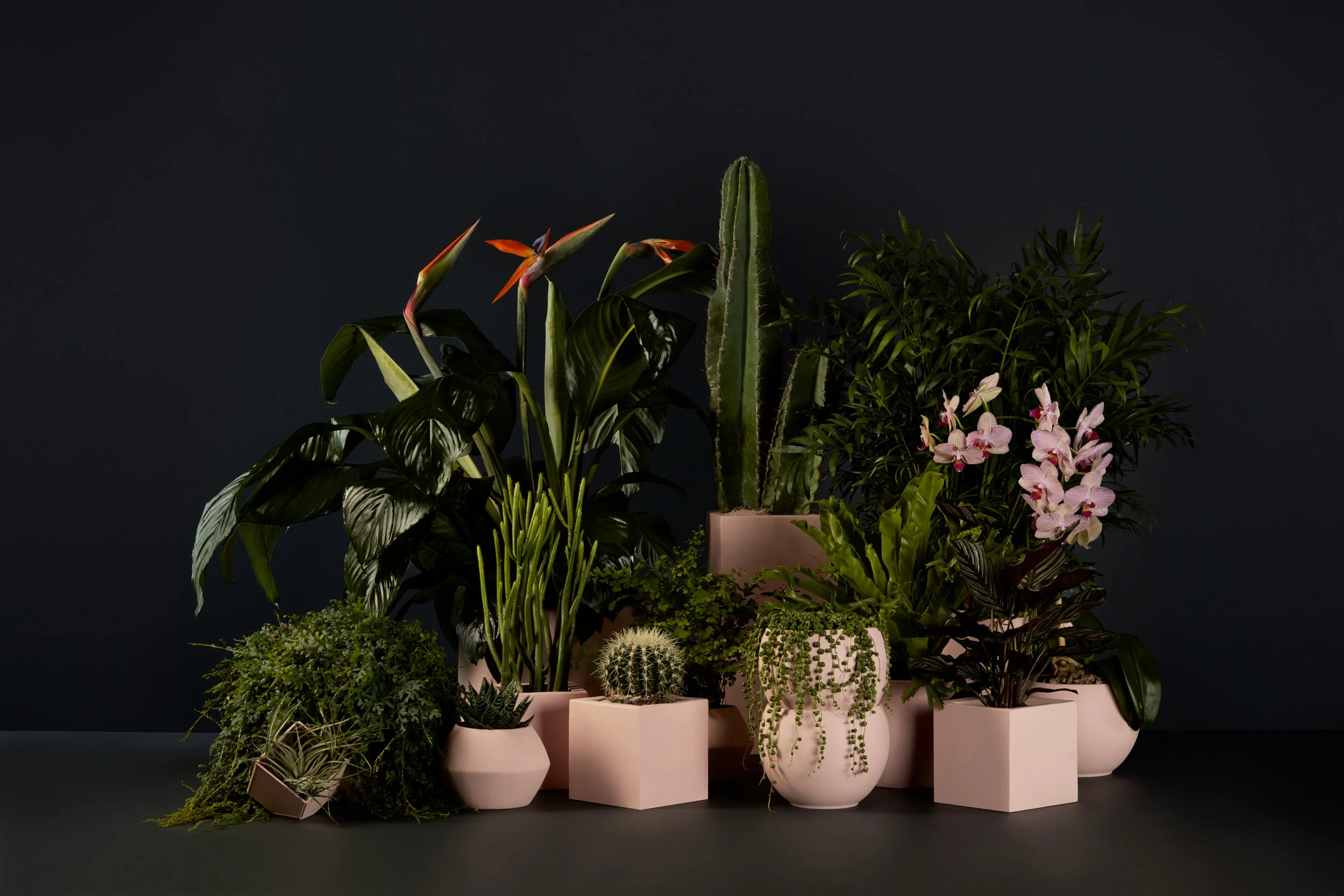
Serving Spring Branch and surrounding Houston neighborhoods since 1999. In The Garden is a hidden treasure for specialty plants, fountains, patio furniture, and one-of-a-kind garden accents.
A Spring Branch Original
Founded by Frank and Suzan Galvan, In The Garden grew from a landscaping enterprise and a warehouse full of unusual finds into a half-acre retail destination just off I-10 at Blalock.
The result is an eclectic, ever-changing mix of specialty plants, herbs, planters, fountains, statuary, patio furniture, and original art from local artists.

Wind-Resistant Plants for Open Houston Lots
Open Houston lots bake in summer sun and catch every passing gust. For homeowners shaping a landscape from bare ground, the wind challenge often arrives before any irrigation question. Shrubs break, tender leaves shred, and young trunks lean hard toward the leeward fence.
Australian readers recognise the struggle. Melbourne's western suburbs, Adelaide's foothills, and the coastal stretches from Sydney to Perth share this exposure. Brisbane gardeners working with new estates on former farmland face the same bare-block gales. The lessons Houston gardeners learn travel well across the Pacific, especially where local water restrictions shape what gets planted and where bushfire wind events push hard against suburban fences.
Reading Wind Patterns on Open Houston Lots
Houston sits on the Gulf Coastal Plain, where flat terrain offers little natural buffering. Prevailing southerlies sweep in from the Gulf during summer thunderstorms, while cool-season north winds barrel down across open subdivisions. In newly built neighbourhoods, fences stand alone for years before tree canopies fill in, leaving soil and plants fully exposed.
Similar conditions shape new estates around Melbourne's outer growth corridors or the flat blocks sprouting in Adelaide's northern suburbs. In Australia, the Bureau of Meteorology regularly issues severe wind warnings that damage garden specimens just as easily as they snap tree limbs. Reading the lot matters: a corner block catches gusts from two streets, while a block backing onto open school grounds or parkland funnels wind straight through the yard.
Plant Traits That Resist Strong Gusts
Wind-tolerant plants share several traits. Flexible stems bend without snapping, narrow or waxy leaves shed gusts, and deep taproots hold the plant firm through dry spells. A low, mounding profile also helps, since tall stems catch wind like a sail.
Many Texas natives already evolved with these traits. Australian readers can borrow the same principles, since plants bred for the Gulf Coast also cope with the dry heat found in parts of South Australia. Look for species with small leaves, woody bases, and a natural tendency to thicken rather than stretch upward. Avoid anything described as delicate, lacy, or fast-growing with hollow stems.
Hardy Trees That Anchor an Exposed Yard
Trees form the first line of defence on a windy lot. They slow the air, cast useful shade, and their roots bind the soil. Houston gardeners often reach for live oak, Mexican plum, and crape myrtle because they handle both heat and wind without constant fuss. Texas ebony adds evergreen weight, while roughleaf dogwood handles wet feet and stiff breezes alike.
When planting, set trees slightly deeper than nursery level and stake only the first season. Permanent staking weakens trunk taper over time. In Australia, gardeners can ask about local substitutes such as Brachychiton or native fig varieties, which perform a similar anchoring job in coastal wind.
Shrubs and Hedges for Wind Buffering
Mid-level plants do the heavy lifting in a windbreak. They filter gusts that slip past taller trees and shelter the soil beneath. In Houston gardens, yaupon holly stands out for its dense evergreen form and tolerance of heavy pruning, while wax leaf ligustrum fills spaces quickly and recovers fast after storms. Dwarf wax myrtle adds aromatic foliage and works particularly well on coastal blocks, and rosemary offers the bonus of fragrant, edible leaves along with serious drought tolerance.
Australian gardeners can rely on westringia and coastal tea tree for similar performance. Both thrive along exposed seafronts from the Mornington Peninsula to the Gold Coast, holding shape after salty squalls and summer storms alike.
Tough Perennials and Hardy Edible Herbs
Perennials fill the middle layer with seasonal colour and pollinator value. Ornamental grasses such as muhly and Gulf muhlygrass sway without breaking. Salvias, lantana, and plumbago offer long bloom periods and tough stems. Bulbs like crinum and rain lily push through dry stretches and shrug off wind.
Kitchen herbs earn their place here, too. Basil thrives in the heat, and regular picking keeps plants productive. Gardeners wanting the strongest flavour should learn about harvest basil for flavor, since timing affects the essential oils in the leaves.
Choosing the right perennial for a windy bed makes the difference between a garden that thrives and one that flops.
Resilient perennials for windy beds:
- Mexican bush sage (Salvia leucantha) – velvety foliage, autumn colour
- Lantana (Lantana camara cultivars) – long bloom, attracts butterflies
- Muhly grass (Muhlenbergia capillaris) – pink plumes, fine texture
- Plumbago – sky-blue flowers, easy care
Containers and Outdoor Pieces for Breezy Patios
Container planting on an exposed patio faces the same wind stress, plus the weight and tipping risk that comes with above-ground pots. Heavy concrete, stone, or ceramic planters hold their ground when winds rise. Lightweight plastic tubs often blow over, especially once the soil dries.
Choosing the right container matters more than the plant inside. A useful walk-through appears in this choosing the right planter for your patio a Houston guide, which covers drainage, material weight, and sizing for windy conditions. Pair planters with statuary or large decorative pieces that double as anchors, and group pots near walls or hedges for added shelter.
Wooden patio furniture suffers in the same conditions. Sandblasted finishes and wobbling joints follow months of wind and UV exposure. The lessons in pine table refinishing mistakes remind owners that even hardy timber wants sealing, sanding, and shelter when storms pass through, so choose heavy frames, store cushions indoors, and treat timber surfaces each year.
Smart Planting and Aftercare Habits
Good plants fail under poor establishment. Water deeply at planting to drive roots downward, then taper off as the plant settles. Mulch two to three inches deep, keeping it away from the trunk. Stake only when the trunk is thin enough to bend in a light breeze.
Local councils in places like Brisbane and Hobart publish native species lists worth checking, since choosing indigenous plants often speeds council approvals for landscaping on new estates. In Texas, the Texas A&M AgriLife Extension offers similar guidance tailored to wind-exposed lots.
Small, regular care habits make a real difference over the years.
Care practices that build wind resilience:
- Deep water weekly for the first growing season
- Mulch annually to protect soil structure
- Trim broken limbs quickly after storms
- Fertilise lightly to avoid weak, sappy growth
- Reassess staking after each season
Plan a Wind-Smart Visit to the Nursery
After a season of shaping a bare block, most gardeners welcome a break. The In The Garden news pages cover everything from seasonal planting tips to live casino deposits and other lifestyle topics, so the same site can serve as a weekend companion.
For hands-on guidance, drop into In The Garden in Spring Branch. The team can suggest the right trees, shrubs, and patio pieces to suit a windy lot, recommend local planting windows, and help select specimens that suit both Houston heat and the occasional Gulf storm. Bring measurements, photos, and a sense of what you would like the finished yard to look like, and the staff will help you build a landscape that stands up to the breeze.
Our Work
From cast iron fence posts and ornamental ironwork to European and domestic planters, urns, pedestals, and bird baths, In The Garden curates distinctive garden décor in both vintage and new pieces. The inventory is varied, eclectic, and ever changing, with over 35 years of green-industry experience behind the selections.
Browse our specialty plants & herbs, explore free-standing and lawn water fountains, or relax into a new patio set on view at the Spring Branch location.
Visit Our Spring Branch Nursery
Stop by 1405 Cedar Post Lane, Houston, TX 77055 — just off I-10 (Katy Freeway) at Blalock — to see what's in bloom today.
What We Carry
- Specialty plants & herbs
- Decorative accessories & statuary
- Planters, urns & pedestals
- Free-standing & lawn fountains
- Bird baths & garden accents
- Ornamental iron & cast iron fence posts
- Patio furniture
- Original art from local artists