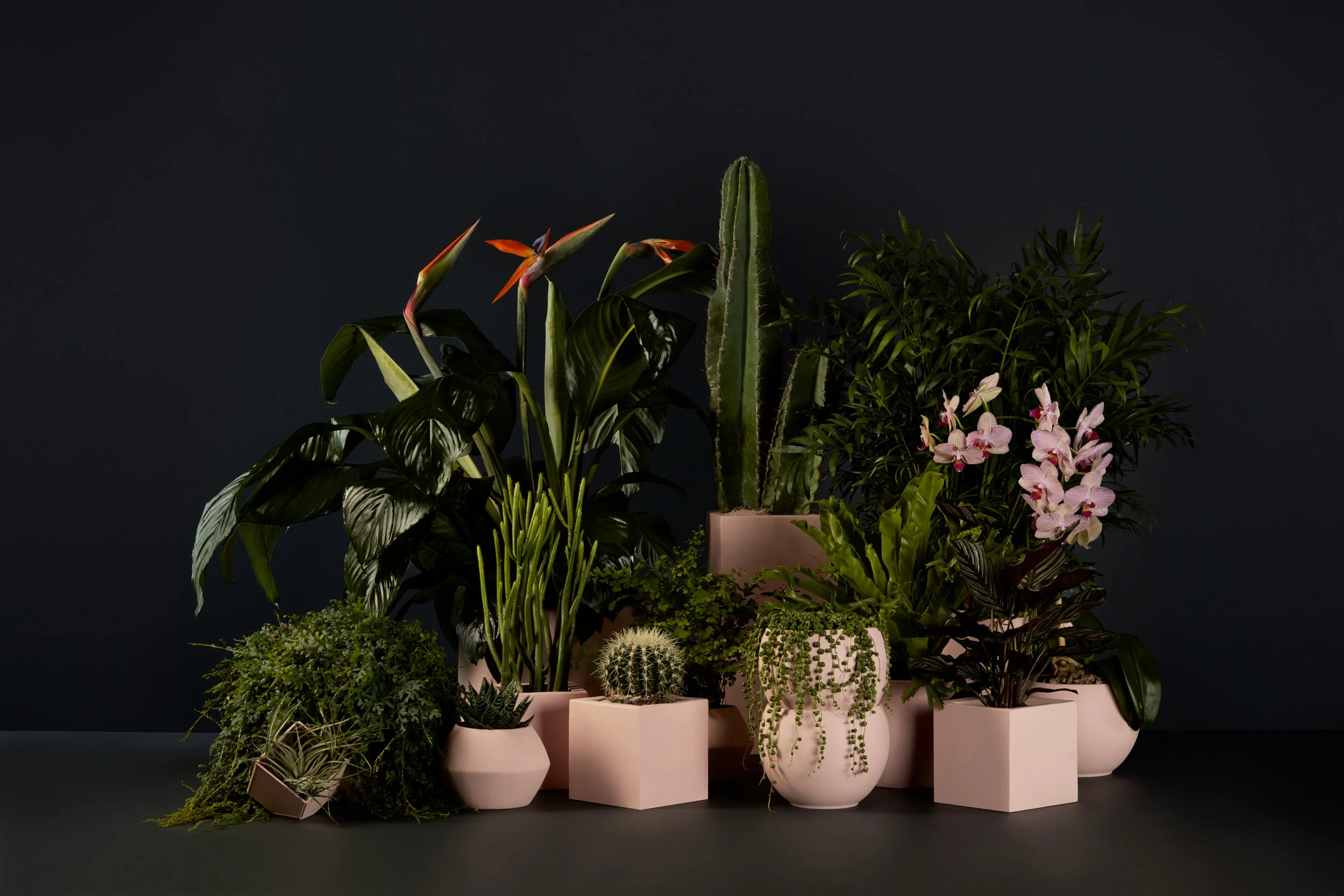
Serving Spring Branch and surrounding Houston neighborhoods since 1999. In The Garden is a hidden treasure for specialty plants, fountains, patio furniture, and one-of-a-kind garden accents.
A Spring Branch Original
Founded by Frank and Suzan Galvan, In The Garden grew from a landscaping enterprise and a warehouse full of unusual finds into a half-acre retail destination just off I-10 at Blalock.
The result is an eclectic, ever-changing mix of specialty plants, herbs, planters, fountains, statuary, patio furniture, and original art from local artists.
Native Plants for Spring Branch Landscapes
Spring Branch gardens benefit from plants that understand Houston’s heat, humidity, sudden storms and long growing season. Native species are especially valuable because they support local wildlife while requiring less adjustment to the region’s soil and weather patterns than many exotic ornamentals.
For Australian readers, the idea is familiar. A garden in Brisbane, Sydney, Melbourne or Perth performs best when its planting reflects local conditions rather than copying a landscape from another climate zone. The key difference is that Spring Branch natives belong to the Gulf Coast ecosystem, so they should be selected for Houston rather than substituted with Australian species.
In The Garden helps homeowners, designers and commercial property managers build outdoor spaces around suitable plants, planters, fountains and architectural details. The result can be practical and inviting: a shaded retreat, a pollinator border, a resilient streetscape or a patio garden with year-round character.
Why Native Plants Suit Spring Branch
Spring Branch sits within the Houston region, where hot summers, heavy rainfall, alkaline or compacted soils and occasional winter freezes can all influence plant health. Local species have evolved to manage these swings, making them dependable choices for established beds and naturalistic planting schemes.
Native plants also provide food and shelter for birds, butterflies and beneficial insects. Flowering shrubs such as yaupon holly attract wildlife with berries, while Gulf Coast muhly contributes fine texture and soft autumn colour. These plants can make a residential yard feel connected to the wider landscape rather than separated from it.
The best results still depend on proper placement. A shade-loving woodland plant will struggle in reflected heat beside a driveway, while a sun-loving prairie flower may become weak beneath mature live oaks. Match each plant to light, drainage, mature size and irrigation access.
Flowering Perennials And Grasses
For sunny borders, black-eyed Susan, purple coneflower and butterfly weed offer strong colour with ecological value. Black-eyed Susan produces bright yellow flowers through warm weather, while butterfly weed provides orange blooms and serves as a larval host for monarch butterflies.
Gulf Coast muhly is one of the most distinctive native grasses for a Spring Branch garden. Its pink-purple flower plumes appear in autumn and look particularly effective beside stone paths, steel edging or large ceramic pots. Little bluestem adds upright form and coppery seasonal tones with a more restrained appearance.
For a softer, woodland-inspired planting, consider inland sea oats in filtered shade. Its arching foliage and hanging seed heads bring movement to the garden, though it should be given room to spread. Native sedges are another useful option for moist, shaded corners where turf grass often becomes thin.
Shrubs And Small Trees For Structure
Yaupon holly is a versatile evergreen shrub or small tree that tolerates pruning, drought once established and a wide range of light conditions. Dwarf forms work well near entrances, while tree-shaped specimens can frame a pathway or provide vertical structure in a courtyard.
Wax myrtle grows quickly and creates useful screening for patios and boundaries. Possumhaw holly offers seasonal berries, particularly when female plants are pollinated by a nearby male. Beautyberry is valued for vivid purple fruit and can be cut back periodically to maintain a compact shape.
For larger landscapes, consider American persimmon, southern magnolia or river birch where space and soil moisture allow. Their mature dimensions deserve careful planning, especially around foundations, overhead wires and paved areas. A nursery consultation can prevent a small container plant from becoming an unsuitable tree in a few years.
| Plant | Best Position | Seasonal Interest | Landscape Use |
|---|---|---|---|
| Gulf Coast muhly | Full sun, well-drained soil | Pink plumes in autumn | Borders and mass planting |
| Yaupon holly | Sun to partial shade | Evergreen foliage and berries | Hedge, specimen or screening |
| Beautyberry | Partial shade to sun | Purple berries in late summer | Wildlife garden and informal borders |
| Inland sea oats | Filtered shade | Decorative seed heads | Woodland beds |
| Butterfly weed | Full sun | Orange flowers in summer | Pollinator planting |
| American persimmon | Sun, ample room | Fruit and autumn colour | Small orchard or habitat garden |
Designing Around Houston’s Climate
Spring Branch gardeners often face more water-management decisions than plant-selection problems. Raised beds, amended soil and mulch can improve drainage during downpours, while drip irrigation helps plants establish without constantly wetting foliage.
A layered design is usually more successful than a collection of isolated specimens. Use trees for canopy, shrubs for screening, perennials for seasonal colour and grasses for movement. This approach also works in commercial courtyards, apartment entrances and hospitality settings where a polished appearance is important.
Containers are useful when soil is compacted, drainage is poor or a rental property needs flexible planting. A group of large pots can define an outdoor room, soften a paved terrace or showcase herbs near a kitchen. Explore decorative containers in varied sizes and materials to support both native plants and complementary patio furnishings.
Australian Lessons For A Gulf Coast Garden
Australian gardeners already understand the value of waterwise planting, local provenance and choosing species for microclimates. A Perth-style approach to efficient irrigation can inform Houston maintenance, even though Perth’s dry summers differ sharply from Houston’s humid conditions. Likewise, Brisbane gardeners may recognise the need for plants that handle heat and intense rainfall.
The plant list should not be transferred directly between countries. Bottlebrush, grevillea and kangaroo paw are excellent in suitable Australian regions but are not replacements for Gulf Coast natives. In Melbourne, frost tolerance may dominate plant selection; in Sydney, coastal exposure and sandy soils may matter more; in Houston, heat, flooding and occasional freezes must be considered together.
Australian councils and community groups often promote verge gardens, habitat corridors and native plant sales. Those customs offer useful inspiration for suburban Spring Branch, where a front garden can provide wildlife value without looking untidy. Choose plants with a clear structure, repeat key species and define edges to create a deliberate, welcoming appearance.
Practical Planting Choices For Every Garden
Native plants can fit formal landscapes as effectively as informal wildlife gardens. Repeat yaupon holly along a walk, combine muhly with clipped shrubs or place a sculptural small tree beside a fountain. Locally made art, statuary and architectural pieces can give the planting a focal point while preserving the natural character of the foliage.
When buying, ask about mature width, sun requirements, expected irrigation and whether a plant is suited to the local soil. Select healthy specimens with strong stems and undamaged roots, then water deeply during establishment. Mulch should conserve moisture without touching the trunk or crown.
Recommendations For A Resilient Planting Scheme
- Start with two or three reliable native foundation plants rather than buying too many varieties.
- Group plants according to sunlight, drainage and water needs.
- Leave room for mature height and width around paths, windows and utilities.
- Use mulch and efficient irrigation while new plants develop their root systems.
- Add flowering species and berries to support pollinators and urban birds.
- Combine native plants with containers, seating and shade features for outdoor living.
- Reassess each season and prune selectively instead of forcing every plant into a rigid shape.
A well-planned Spring Branch landscape can be beautiful, low-maintenance and valuable to local wildlife. Visit In The Garden for climate-aware plant guidance, outdoor furnishings, garden accents and seasonal inspiration, then shape a planting scheme that feels at home in your space.
Our Work
From cast iron fence posts and ornamental ironwork to European and domestic planters, urns, pedestals, and bird baths, In The Garden curates distinctive garden décor in both vintage and new pieces. The inventory is varied, eclectic, and ever changing, with over 35 years of green-industry experience behind the selections.
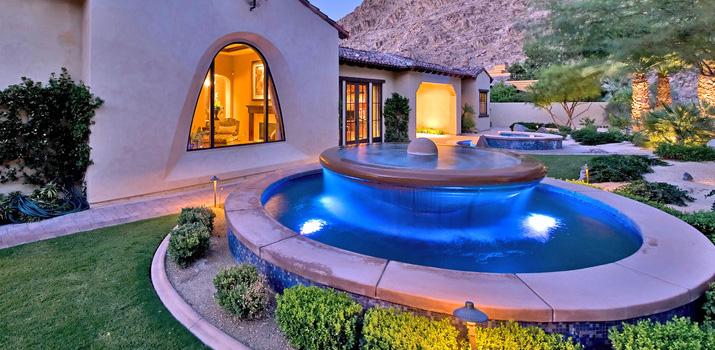
Browse our specialty plants & herbs, explore free-standing and lawn water fountains, or relax into a new patio set on view at the Spring Branch location.
Visit Our Spring Branch Nursery
Stop by 1405 Cedar Post Lane, Houston, TX 77055 — just off I-10 (Katy Freeway) at Blalock — to see what's in bloom today.
What We Carry
- Specialty plants & herbs
- Decorative accessories & statuary
- Planters, urns & pedestals
- Free-standing & lawn fountains
- Bird baths & garden accents
- Ornamental iron & cast iron fence posts
- Patio furniture
- Original art from local artists