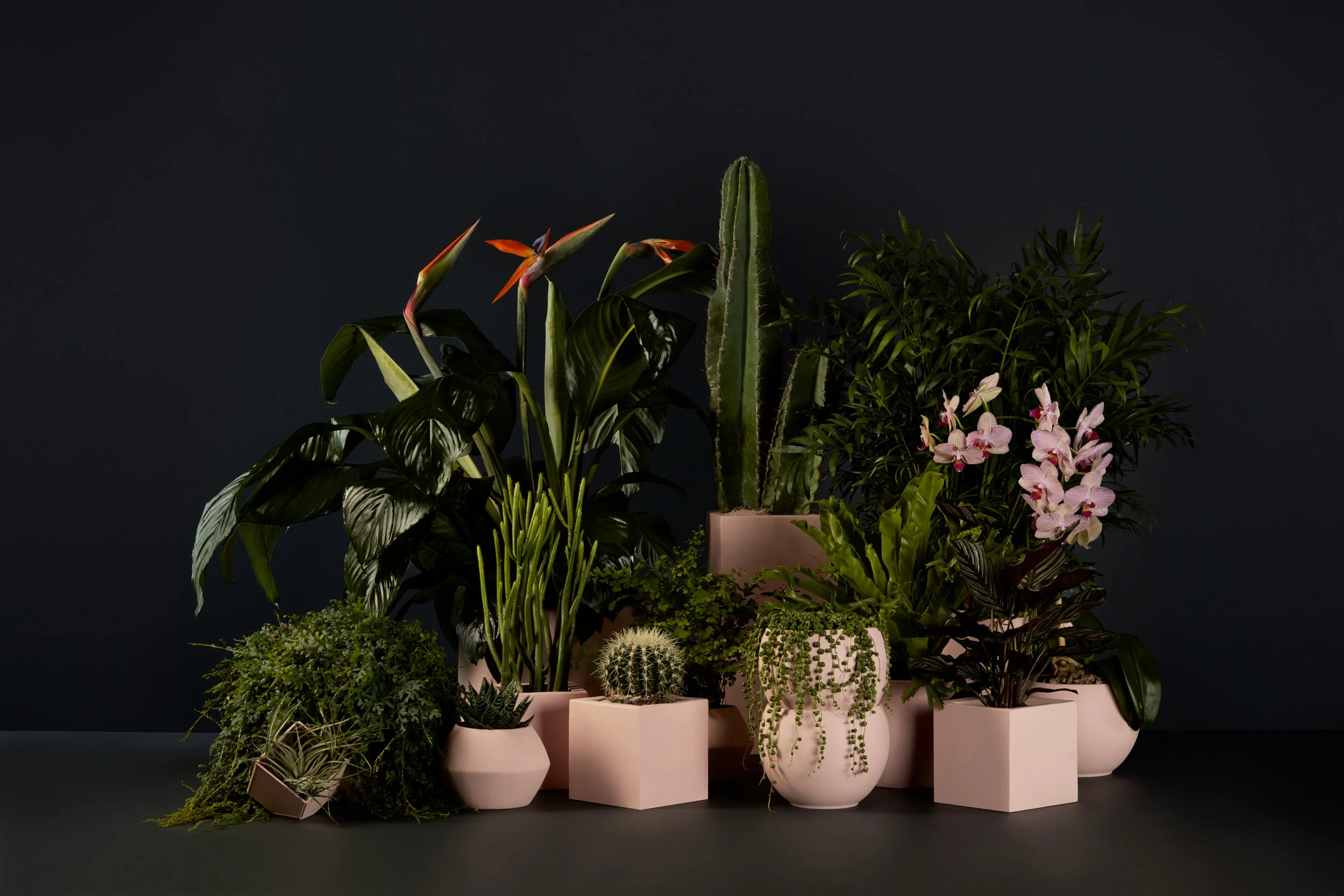
Serving Spring Branch and surrounding Houston neighborhoods since 1999. In The Garden is a hidden treasure for specialty plants, fountains, patio furniture, and one-of-a-kind garden accents.
A Spring Branch Original
Founded by Frank and Suzan Galvan, In The Garden grew from a landscaping enterprise and a warehouse full of unusual finds into a half-acre retail destination just off I-10 at Blalock.
The result is an eclectic, ever-changing mix of specialty plants, herbs, planters, fountains, statuary, patio furniture, and original art from local artists.

Build a Butterfly Haven in Your Backyard
Australia's gardens come alive when butterflies drift between blossoms, yet many backyards miss the simple elements these pollinators need most. Whether you are tending a courtyard in Sydney, a sprawling lawn in Perth, or a compact verandah garden in Hobart, the principles of attracting butterflies remain wonderfully consistent across the country. Learn more about 214486 Storten Bij Live Casino Met Trustly.
Creating a butterfly-friendly space is less about expensive features and more about layering native nectar sources, larval host plants, shelter, and water. Thoughtful planning turns even a modest backyard into a thriving refuge that supports local species through every season, including the dry stretches that test gardeners in Brisbane and Adelaide.
Planning Your Butterfly-Friendly Space
Start by observing how sunlight moves across your yard throughout the day. Most Australian butterflies favour warm, sheltered corners protected from strong westerly winds, so positioning plants near a fence, hedge, or the western side of the house creates a calm microclimate. In suburbs like Melbourne's inner north or Adelaide's foothills, where afternoon breezes can be sharp, a dense screen of grevillea or westringia buffers the space beautifully.
Think about layering plants in three tiers: groundcovers, mid-height shrubs, and small trees. This vertical structure mimics natural bushland and provides perches, hiding spots from predators like magpies and noisy miners, and varied temperatures that butterflies prefer. Leave a patch of bare, damp soil in a sunny spot—many species, including the Common Jezebel, gather minerals from mud puddles, a behaviour known as puddling.
Pathways matter too. A meandering stone path or weathered timber border invites both you and the butterflies to linger. If you enjoy restoring second-hand pieces, fixing chair casters translates neatly to outdoor seating, and a stable chair near your nectar bed encourages long, contemplative afternoons among the wings.
Choosing Native Plants for Aussie Butterflies
Native host plants are non-negotiable if you want caterpillars to thrive. The Tailed Emperor relies on wattles and eucalyptus saplings, while the spectacular Ulysses butterfly in tropical north Queensland depends on Melicope and Evodia species. In southern regions, the Australian Painted Lady favours native violets and everlasting daisies, which grow comfortably in cool-climate gardens from Canberra to the Adelaide Hills.
When selecting plants, prioritise locally indigenous species wherever possible. Indigenous plants have co-evolved with local butterflies and generally need less water once established—a real benefit during the watering restrictions enforced by many Australian councils during drought. Check with your local council or state environment department before clearing any remnant vegetation, as laws such as the NSW Biodiversity Conservation Act 2016 protect certain native plants and habitats.
Reliable host plants for Australian butterflies
- Wattle species (Acacia) for Tailed Emperors and several moth species
- Native violets (Viola hederacea) for Australian Painted Ladies
- Eucalyptus saplings for Imperial Jezebels and large tree-nymphs
- Lemon-scented gum and Evodia for Ulysses butterflies in tropical zones
- Scented paperbark (Melaleuca) for a wide range of native pollinators
Water, Shelter, and Sun Essentials
Water is the silent ingredient in any successful butterfly refuge. A shallow dish filled with pebbles and topped up daily creates a safe drinking station; the pebbles give butterflies something to grip so they do not slip. Rainwater tanks, which are standard on many Australian properties under schemes like Brisbane's WaterSmart program, provide chemical-free water that is far gentler on insects than chlorinated tap water.
Shelter can be as simple as a cluster of strappy leaves from lomandra or dianella, or a rustic stack of untreated timber. These refuges protect butterflies from wind and offer overnight roosting spots. Aim for at least one area that receives filtered morning sun and afternoon shade, particularly important during heatwaves that increasingly affect inland towns like Dubbo and Broken Hill.
Mulching helps lock in moisture and keeps soil temperatures stable, which in turn protects the pupae sheltering beneath the surface. If you are unsure which mulch suits your conditions, mulch for clay explains how organic choices break down to improve texture over time, a principle that holds true in many Australian clay-based gardens too.
Avoiding Pesticides and Respecting Local Rules
The most important rule is to stop using broad-spectrum insecticides. Even products marketed as gentle can harm caterpillars and beneficial insects like parasitic wasps. Embrace a few chewed leaves as proof that your garden is functioning, and consider companion planting with aromatic herbs such as rosemary, lavender, and lemongrass to deter pest outbreaks naturally.
Australian regulations around chemicals vary by state. The Australian Pesticides and Veterinary Medicines Authority, known as the APVMA, registers products nationally, but individual councils often impose additional restrictions, particularly near waterways or in fire-prone zones. In South Australia, for instance, certain herbicides are restricted in the Adelaide Hills due to risks to native fauna. Always read the label, store chemicals securely away from children and pets, and remember that a healthy butterfly garden tolerates a little imperfection.
If weeds creep in, hand-pull them before they seed, especially species declared invasive under your state's biosecurity laws. Many councils publish free identification guides, and community workshops—similar to those run by local bushcare groups—offer hands-on guidance tailored to your suburb.
Bringing It All Together Year-Round
A truly resilient butterfly haven keeps something in flower across every month. In Perth's Mediterranean climate, this means pairing winter-flowering hakeas with summer-blooming kangaroo paws. Along the east coast, rotate grevillea cultivars with banksia and native sarsaparilla to bridge seasonal gaps. Even in cooler Hobart gardens, frost-hardy Correa and Epacris can sustain winter-active butterflies during milder spells.
Nectar-rich plants for continuous bloom
- Grevillea varieties for warm-season flowering across most climates
- Banksia species for autumn and winter nectar in coastal areas
- Kangaroo paws (Anigozanthos) for spring and summer colour in Western Australia
- Native daisies and everlastings for cool-season interest
- Buddleja, where permitted, draws a wide range of visiting butterflies
Situate a comfortable bench or hammock within view of your brightest nectar bed, and keep a small notebook to record which species visit and when. Over time, you will notice patterns: the first Ulysses sighting in late spring, a sudden influx of Painted Ladies after rains, the return of resident Jezebels to their favourite wattle.
Spend a quiet moment indoors catching up on trusted online platforms while your seedlings establish themselves, and remember that every Australian gardener who plants for butterflies contributes to a national network of habitat. Share seeds with neighbours, photograph visiting species, and enjoy the simple delight of a garden that flutters.
Our Work
From cast iron fence posts and ornamental ironwork to European and domestic planters, urns, pedestals, and bird baths, In The Garden curates distinctive garden décor in both vintage and new pieces. The inventory is varied, eclectic, and ever changing, with over 35 years of green-industry experience behind the selections.
Browse our specialty plants & herbs, explore free-standing and lawn water fountains, or relax into a new patio set on view at the Spring Branch location.
Visit Our Spring Branch Nursery
Stop by 1405 Cedar Post Lane, Houston, TX 77055 — just off I-10 (Katy Freeway) at Blalock — to see what's in bloom today.
What We Carry
- Specialty plants & herbs
- Decorative accessories & statuary
- Planters, urns & pedestals
- Free-standing & lawn fountains
- Bird baths & garden accents
- Ornamental iron & cast iron fence posts
- Patio furniture
- Original art from local artists