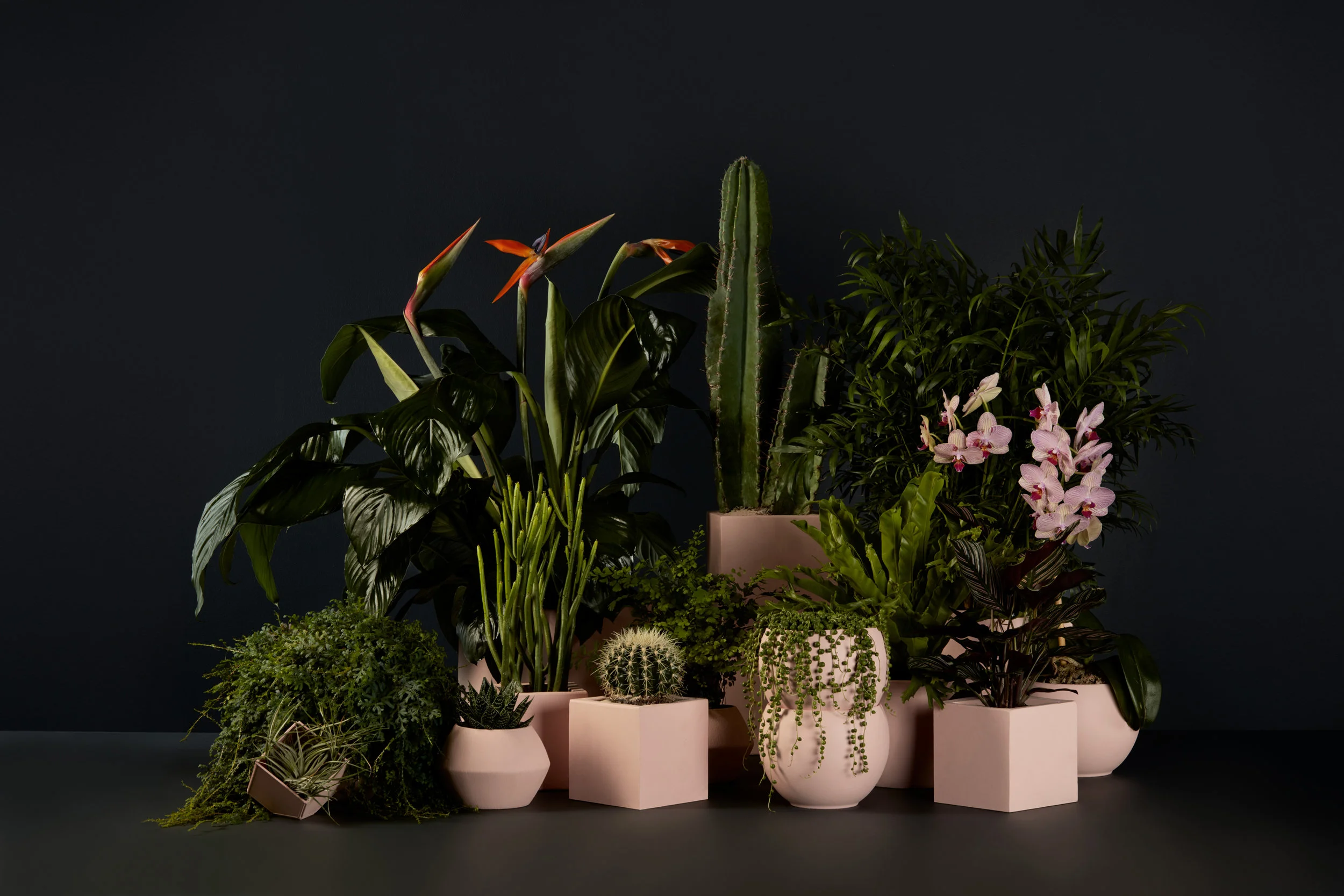
Serving Spring Branch and surrounding Houston neighborhoods since 1999. In The Garden is a hidden treasure for specialty plants, fountains, patio furniture, and one-of-a-kind garden accents.
A Spring Branch Original
Founded by Frank and Suzan Galvan, In The Garden grew from a landscaping enterprise and a warehouse full of unusual finds into a half-acre retail destination just off I-10 at Blalock.
The result is an eclectic, ever-changing mix of specialty plants, herbs, planters, fountains, statuary, patio furniture, and original art from local artists.
Drought-Tolerant Trees for Houston Clay Soil
Houston’s heavy clay soil can hold moisture for a long time, then bake hard during a hot, dry spell. That combination makes tree selection important, especially for gardens in Spring Branch and nearby neighbourhoods where summer heat, sudden storms and restricted drainage can all affect root health.
For Australian gardeners, the growing conditions may feel familiar in parts of Brisbane, Sydney or Perth, where water-wise landscaping and tough shade trees are increasingly important. The species below are suited to Houston’s climate once established, and their practical qualities translate well to courtyards, acreage gardens and commercial landscapes across Australia.
Why Clay Soil Changes Tree Selection
Houston clay is nutrient-rich but dense. Roots may struggle to receive oxygen after heavy rain, while the surface can crack when it dries. A drought-tolerant tree still needs careful establishment, including deep watering, sensible planting depth and a wide layer of organic mulch kept away from the trunk.
Avoid digging a small, amended hole that acts like a bathtub around the root ball. Instead, loosen a broad area, check how quickly water drains, and select trees that can cope with alternating wet and dry conditions. A local nursery can also help match a species to sun exposure, overhead wires and the mature canopy width.
Texas Live Oak
Texas live oak is one of the strongest choices for a long-lived shade tree. Its broad, spreading crown provides welcome relief over a Houston patio, driveway or lawn, while its leathery leaves cope with heat and dry periods after the tree has developed a substantial root system.
Give it plenty of room because the branches can extend widely. Plant it where the eventual canopy will not conflict with a roof, pool or power line, and water consistently during the first two summers. In an Australian garden, it suits a large suburban block or rural property more than a compact terrace, much like planning a mature river red gum well away from paving.
Cedar Elm
Cedar elm handles Houston’s clay soils, urban conditions and periods of limited rainfall with dependable resilience. Its smaller leaves create a lighter shade pattern than live oak, making it useful near a lawn, entertaining area or commercial entry where filtered light is preferred.
This deciduous tree also offers seasonal interest, with yellow autumn colour before leaf drop. It needs room for a handsome rounded crown, though it is generally easier to place than a very broad oak. When discussing native and climate-ready planting, In The Garden’s guide to Spring Branch plants provides useful local context.
Mexican Plum
Mexican plum brings flowers, fragrance and wildlife value to a water-wise landscape. Its white spring blossoms appear before the foliage, followed by small fruits that can attract birds. The tree is especially effective in a mixed border where seasonal character matters as much as shade.
It usually remains smaller than the large canopy trees, making it suitable for many residential gardens. Plant it in full sun with enough clearance for mature branches, and avoid frequent shallow irrigation once the root system is established. Occasional deep watering is more useful than a daily sprinkle from a hose or irrigation system.
Desert Willow
Desert willow is a smart choice for hot, open sites that receive strong sunlight. Its narrow leaves reduce moisture loss, and its pink, purple or burgundy flowers add colour through the warmer months. The airy canopy lets breezes move through, which is valuable in humid Houston gardens.
Good drainage remains important even though the tree tolerates dry conditions. On compacted clay, build soil structure across a broad planting zone rather than burying the root ball in rich compost. In Australia, its look works especially well with gravel, rendered walls and relaxed outdoor entertaining areas, including the kind of verandah setting common in Queensland.
Crape Myrtle
Crape myrtle is a reliable small-to-medium tree for streetscapes, courtyards and patios. It tolerates heat, flowers during summer and comes in forms ranging from compact shrubs to upright trees. Smooth, mottled bark and strong autumn colour extend its appeal beyond the flowering season.
Choose a cultivar suited to the available space instead of planting a large type and pruning it severely each year. Once settled, it needs less supplemental water than many traditional ornamentals, but young trees still benefit from a slow soak during prolonged dry weather. Mulch, compost and careful pruning will support flowering without encouraging weak, excessive growth.
Establishing a Water-Wise Canopy
The first year determines much of a tree’s future performance. Water slowly enough to soak the root ball and surrounding soil, then allow the surface to dry slightly before watering again. A temporary irrigation ring can direct water towards developing roots without creating constant moisture at the trunk.
Useful planting and maintenance habits include:
- Choose full sun unless a species specifically suits partial shade.
- Spread mulch 5–8 centimetres deep across the root zone.
- Keep mulch several centimetres away from the trunk flare.
- Inspect drainage after heavy Houston rainfall.
- Replace lawn beneath young trees with low-water groundcovers.
- Prune for structure rather than removing large limbs unnecessarily.
In Australia, check local council rules before removing an established street tree or planting near services. Water restrictions can vary between Brisbane, Sydney, Melbourne and regional councils, so a drought-smart design should account for available irrigation, summer storm patterns and the cost of maintaining turf.
Matching Trees With Outdoor Living
A tree should support how a property is used. Cedar elm and crape myrtle can frame a path or outdoor dining space, while live oak needs a generous lawn or garden setting. Mexican plum works near a wildlife border, and desert willow creates a light screen without making a small courtyard feel enclosed.
The same layered approach suits commercial properties, where shade, low maintenance and clear sightlines matter. Pair trees with durable planters, fountains, architectural pieces or locally made art rather than filling every space with thirsty annuals. For an individual creative touch, local garden art can add character around a planted courtyard or hospitality entrance.
Furniture placement deserves equal care. A broad oak canopy may suit deep outdoor seating, while a smaller tree can frame a bistro table or pathway. Before buying substantial pieces, consider scale and proportion; guidance on highboy and lowboy furniture can even help when combining indoor-inspired styling with an outdoor living scheme.
| Tree | Best feature | Mature scale | Main planting note |
|---|---|---|---|
| Texas live oak | Broad shade canopy | Large | Allow extensive root and branch space |
| Cedar elm | Tough urban shade | Medium to large | Useful for filtered light |
| Mexican plum | Spring flowers and wildlife | Small to medium | Suits mixed borders |
| Desert willow | Flowers and heat tolerance | Small to medium | Provide good drainage |
| Crape myrtle | Summer bloom and bark | Small to medium | Select cultivar by available space |
Selecting the right tree is easier when the site, soil and future canopy are considered together. Visit In The Garden for practical guidance, plants and outdoor-living pieces, or use the Houston garden contact page to discuss a planting scheme suited to your property.
Our Work
From cast iron fence posts and ornamental ironwork to European and domestic planters, urns, pedestals, and bird baths, In The Garden curates distinctive garden décor in both vintage and new pieces. The inventory is varied, eclectic, and ever changing, with over 35 years of green-industry experience behind the selections.
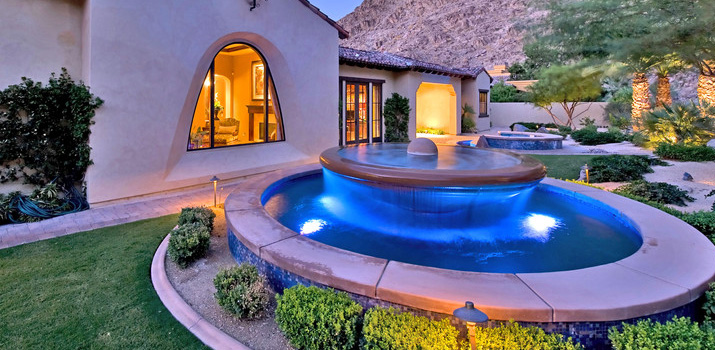
Browse our specialty plants & herbs, explore free-standing and lawn water fountains, or relax into a new patio set on view at the Spring Branch location.
Visit Our Spring Branch Nursery
Stop by 1405 Cedar Post Lane, Houston, TX 77055 — just off I-10 (Katy Freeway) at Blalock — to see what's in bloom today.
What We Carry
- Specialty plants & herbs
- Decorative accessories & statuary
- Planters, urns & pedestals
- Free-standing & lawn fountains
- Bird baths & garden accents
- Ornamental iron & cast iron fence posts
- Patio furniture
- Original art from local artists