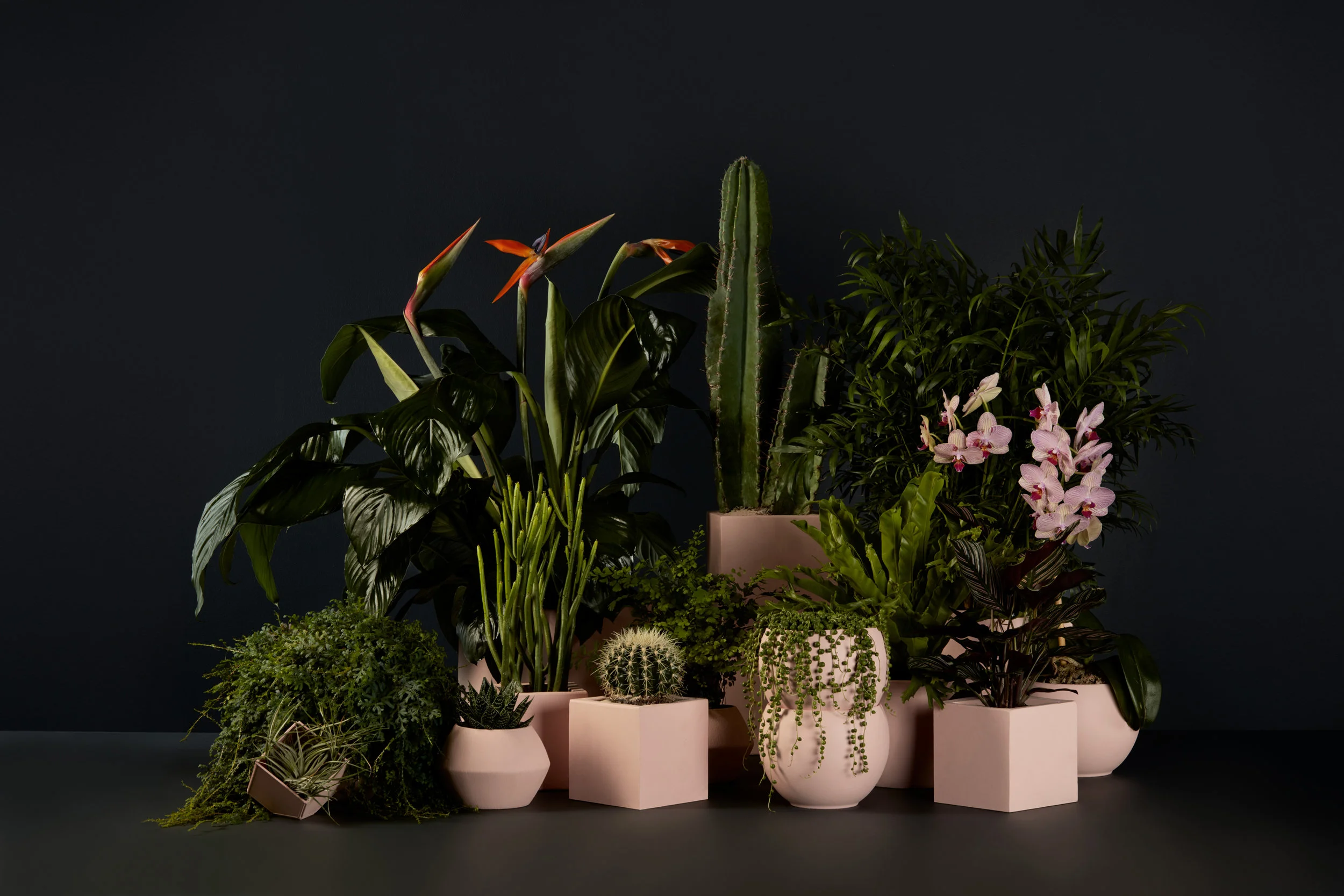
Serving Spring Branch and surrounding Houston neighborhoods since 1999. In The Garden is a hidden treasure for specialty plants, fountains, patio furniture, and one-of-a-kind garden accents.
A Spring Branch Original
Founded by Frank and Suzan Galvan, In The Garden grew from a landscaping enterprise and a warehouse full of unusual finds into a half-acre retail destination just off I-10 at Blalock.
The result is an eclectic, ever-changing mix of specialty plants, herbs, planters, fountains, statuary, patio furniture, and original art from local artists.
Best Native Grasses for a Low-Maintenance Houston Lawn
A Houston lawn lives a hard life: gumbo clay, long humid summers, downpours that wash nutrients away, and oaks that filter the light before it reaches the grass. Cool-season turf such as ryegrass or fescue thins out every August and demands irrigation and overseeding. Warm-season native grasses root deeply, shrug off heat, and can halve the work of keeping a lawn neat.
Australian gardeners already know the trade-off. Across Melbourne, Brisbane, Adelaide and Sydney, families have swapped thirsty turf for native tussock grasses such as kangaroo grass and weeping grass, sold through local nurseries as lawn alternatives for dry summers and restricted water. Saturday morning mowing remains a suburban ritual, but mower decks are set higher and compost is replacing bags of fertiliser.
The climates rhyme even when the continents do not. Houston summers bring heat and humidity, winters stay mild, and roughly 1,200 millimetres of rain fall in bursts rather than useful weekly doses. Melbourne reverses the pattern into cool winters and dry, hot summers; Brisbane is humid year-round. Grasses that handle both extremes share the same shortlist of traits.
At In The Garden, our Spring Branch nursery is where Houston gardeners sort this out in person. We stock specialty plants, herbs, planters, fountains, patio furniture, statuary, decorative accessories, architectural pieces and locally made art, and we give practical advice on what will actually perform in our clay and heat. Residential customers, landscape contractors and commercial grounds managers all use the same bench for advice.
Houston conditions and the Australian comparison
Houston sits in USDA zones 9b and 10a, and most neighbourhood soil is dense, alkaline clay-loam that compacts under traffic. Native bunchgrasses root into that clay, outcompete weeds once established, and settle down after a few seasons without constant feeding.
Australian rules sharpen the comparison. Councils such as Melbourne enforce streetscape guidelines on how low a nature strip may be mown, and under South East Water's stage two restrictions Victorian households often find sprinkler irrigation banned on odd-numbered days, with Sydney Water running a similar roster. The same discipline suits Houston, where utilities ask customers to observe odd-day sprinkler patterns during peak demand.
If you are buying Houston grass for an Australian property, plant material entering the country must meet conditions set under the Biosecurity Act 2015, with permits and phytosanitary paperwork handled through BICON. Locally grown stock arrives acclimatised, compliant and ready to plant without quarantine delays.
Small blocks add another variable, and our notes on layering plants for privacy show how to build a screening border that softens a fence line without crowding the grass or blocking the mower.
Choosing native grasses that suit your site
Before buying, check three things: hours of direct sun, how well the soil drains, and how much foot traffic the lawn takes. Ground near a back door is mown often and walked on daily, so it needs a tighter, tougher texture than a display strip beside a fence. The shortlist below covers the situations we see most often in Spring Branch.
- Buffalograss (Bouteloua dactyloides) — the workhorse turf option for Houston clay. It knits into a dense, drought-tolerant lawn at low mowing heights, spreads by stolons to repair thin patches, and stays green through dry spells that brown out common Bermuda.
- Little bluestem (Schizachyrium scoparium) — a fine-textured clump for meadow bands and borders rather than mown turf, thriving in dry sunny beds and holding attractive seed heads well into winter.
- Gulf muhly (Muhlenbergia filipes) and Lindheimer's muhly (M. lindheimeri) — airy clumps with pinkish seed clouds, about knee-high, ideal for softening bed edges and part shade beneath established trees.
- Windmill grass (Chloris verticillata) — tough and unfussy about poor soil, with whorled seed heads that catch low afternoon sun; a good choice for wide, low-traffic areas beside a path.
- Sand dropseed (Sporobolus cryptandrus) — a neat, tufted perennial for dry pockets and gravel corners, with a low seed head that stays clear of mower decks.
- Mexican feather grass (Nassella tenuissima) — soft silvery drifts that glow in Houston sun, useful in planters and along walls, and it self-sows gently where spreading is welcome.
The transition from lawn to bed needs care, because turf grass and border plants compete for the same shallow roots. Our advice on shade-loving plant picks explains how to handle morning light, root competition and the shift from open grass to dense planting.
Australian yards have their own equivalents on the same shelf: Themeda triandra for sun and drought, Microlaena stipoides for softer, moister spots, and Poa labillardierei where shade decides the outcome. Houston gardeners chasing the same look with less irrigation should ask for local species rather than a lawn seed blend.
Mowing, watering and feeding
Mow less often and mow higher. Buffalograss handles a mower set at five to seven centimetres, and cutting higher keeps the root zone shaded and moist through the worst of summer. Little bluestem and dropseed need only a light trim once or twice a year. Resist the urge to scalp a lawn during a dry spell; bare patches in high summer rarely recover until autumn.
Water deeply and infrequently, and let the weather do the scheduling. A rain sensor on an irrigation system is cheap insurance in Houston, where one storm can deliver a month's rain. Australian readers can translate that into their own ruleset, since a fixed watering window under stage two restrictions is a good template, and drip lines under planted beds always outperform a sprinkler head on grass.
Feed the soil rather than the grass. A soil test every couple of years, a layer of compost and modest spring nitrogen keep the sward dense without forcing growth that demands extra mowing. High-nitrogen programmes encourage weeds and invasive grasses such as bahiagrass, which spreads faster than the natives you actually want.
Turning the lawn into an outdoor room
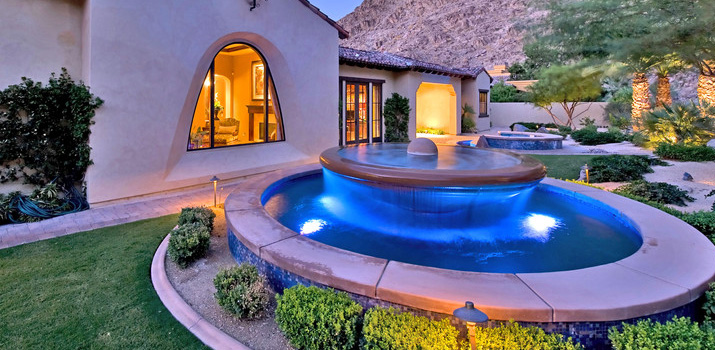
A low-maintenance lawn earns its keep by freeing time and space for everything else that makes a garden worth using. Keep a generous path through the grass, set planters where they catch morning sun, and let a fountain or a piece of statuary hold one end of the space. Our guide to aesthetic movement furniture describes the slender profiles and light tones that keep sightlines open across a small lawn instead of blocking them.
Local art, architectural pieces and two comfortable chairs will do more for an ordinary strip of turf than exotic planting. Herbs in pots along the edge give you something to cut without a dedicated bed, and commercial clients apply the same thinking at larger scale, where courtyards and entry lawns benefit from tough native grasses, clean edges and shade planted where people sit.
Finishing touches and a visit to the nursery
The last layer is how the space gets used. On a warm evening, a mown strip of buffalograss handles a folding chair, a cold drink and music better than almost anything else you could install. Our pick of a spin gokkast for Sunday records keeps the sound low and the evening long, while seasonal items at the shop make it easy to set the scene without buying new furniture.
Bring your lawn plan, a photograph of the site and, if you can, a handful of soil to the Spring Branch nursery, and we will match grass to your light and soil rather than the other way around. Ask about our workshops, browse the locally made art and gifts, and talk with us about planters, fountains and statuary to finish the space. For larger projects, our team can help with bulk plant and accessory orders for contractors and commercial grounds maintenance. Come in during the week, talk through your plan, and leave with a lawn that needs less of you.
Our Work
From cast iron fence posts and ornamental ironwork to European and domestic planters, urns, pedestals, and bird baths, In The Garden curates distinctive garden décor in both vintage and new pieces. The inventory is varied, eclectic, and ever changing, with over 35 years of green-industry experience behind the selections.
Browse our specialty plants & herbs, explore free-standing and lawn water fountains, or relax into a new patio set on view at the Spring Branch location.
Visit Our Spring Branch Nursery
Stop by 1405 Cedar Post Lane, Houston, TX 77055 — just off I-10 (Katy Freeway) at Blalock — to see what's in bloom today.
What We Carry
- Specialty plants & herbs
- Decorative accessories & statuary
- Planters, urns & pedestals
- Free-standing & lawn fountains
- Bird baths & garden accents
- Ornamental iron & cast iron fence posts
- Patio furniture
- Original art from local artists