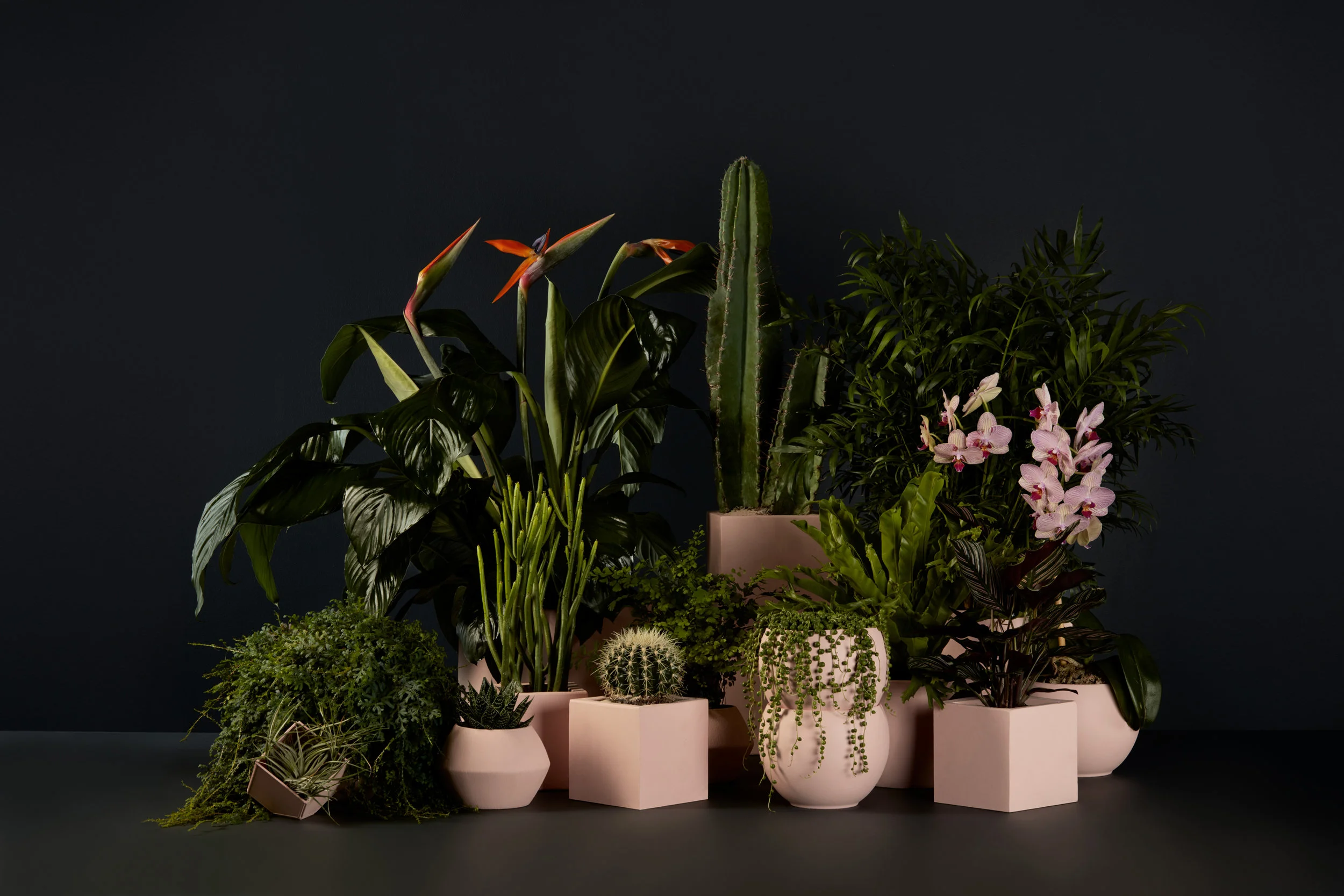
Serving Spring Branch and surrounding Houston neighborhoods since 1999. In The Garden is a hidden treasure for specialty plants, fountains, patio furniture, and one-of-a-kind garden accents.
A Spring Branch Original
Founded by Frank and Suzan Galvan, In The Garden grew from a landscaping enterprise and a warehouse full of unusual finds into a half-acre retail destination just off I-10 at Blalock.
The result is an eclectic, ever-changing mix of specialty plants, herbs, planters, fountains, statuary, patio furniture, and original art from local artists.
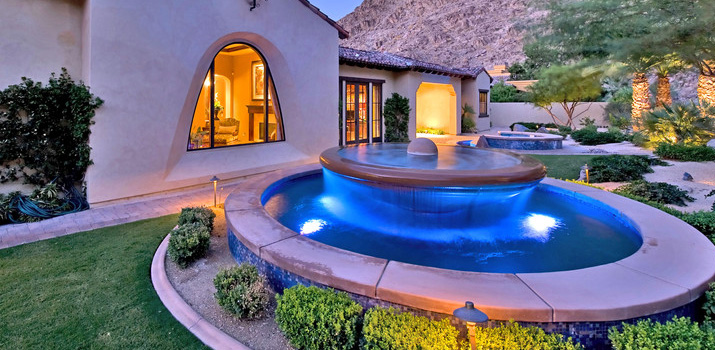
Layering Plants for Privacy on a Tight Suburban Lot
A narrow suburban garden does not need a tall, solid hedge to feel private. By combining trees, shrubs, climbers and potted plants at different heights, you can screen windows, soften a boundary and create a comfortable outdoor room without consuming every square metre. This layered approach works especially well for courtyards, side gardens and compact backyards across Australian suburbs.
Privacy planting should suit the site as carefully as it suits your style. Think about harsh afternoon sun in Perth, dry summers around Adelaide, humid conditions in Brisbane or limited winter light beside a Melbourne fence. A local nursery such as In The Garden can also provide useful climate-led guidance, even when you are adapting ideas from Houston’s very different growing conditions.
Read The Garden Before Planting
Begin by observing where privacy is actually needed. A neighbouring upper-storey window may require a taller canopy, while a footpath-facing lounge room might be screened effectively with shrubs below eye level. Mark sightlines from inside the house, the patio and the garden gate before buying plants.
Measure the available width, sunlight, drainage and overhead clearance. In a tight block, the mature size matters more than the nursery pot size. Check local council rules before planting near fences, utility lines or shared boundaries, particularly if you are considering a fast-growing tree.
Use a simple three-level structure:
- Upper layer: a small tree or tall, narrow evergreen
- Middle layer: shrubs with dense foliage and varied textures
- Lower layer: herbs, grasses, groundcovers and decorative pots
This arrangement creates depth instead of a flat green wall. It also leaves room for air movement, which is valuable in humid coastal areas and during Australia’s hot summers.
Select Plants For The Local Climate
Evergreen screening plants provide year-round coverage, but a mixed planting is generally more resilient and visually interesting. Consider lilly pilly cultivars, westringia, viburnum, clumping bamboo, olive trees or slender citrus where conditions allow. Native options can support local wildlife and often handle regional weather patterns better than exotic species.
Avoid choosing a plant solely because it grows quickly. Aggressive roots, constant pruning and excessive water use can make a small garden difficult to maintain. Look for compact, columnar or naturally upright forms, and confirm whether a species is invasive or unsuitable for your state.
Australian conditions vary considerably, so match plants to the site:
- Brisbane and coastal Queensland: humidity-tolerant foliage and excellent drainage
- Sydney: salt-tolerant choices near exposed coastal sites
- Melbourne: frost-aware planting and protection from cold southerly winds
- Perth and Adelaide: drought-tolerant plants with dependable summer watering
A productive screen can include edible plants too. For guidance on growing food in a warm climate, explore this Houston tomato guide, then adapt the timing and varieties to your local Australian growing calendar.
Build Privacy In Vertical Layers
The tallest layer should frame the garden rather than dominate it. A crepe myrtle, ornamental pear, olive, Japanese maple or narrow native tree can lift the eye and interrupt views from above. In very restricted spaces, train a climber on a strong trellis instead of planting a broad-canopy tree.
The middle layer does most of the screening work. Stagger shrubs rather than placing them in a rigid line, leaving enough space for their mature spread. Repetition of two or three species will look intentional, while contrasting leaf shapes can prevent the planting from becoming monotonous.
At ground level, use grasses, ferns, bromeliads, succulents or flowering perennials to conceal bare stems and soften paving. Large planters can extend the planting line around a seating area without permanent excavation, a practical solution for renters or courtyards with concrete surfaces.
Use Pots, Screens And Climbers
Containers are useful when a boundary cannot be dug up or when privacy needs change over time. Choose broad, heavy planters that will not topple in strong wind, and group them in varying heights. A tall pot with a narrow shrub can screen a view while lower containers connect it to the rest of the garden.
A trellis, slatted screen or pergola gives climbers a vertical framework. Star jasmine, pandorea, hardenbergia and passionfruit may work in suitable Australian climates, although each needs the right light, support and pruning. Keep vines away from gutters, roof tiles and neighbouring structures.
A privacy screen should filter views rather than block all light and air. Slatted timber, perforated metal and open lattice can provide a sense of enclosure while preserving breezes. For a patio that becomes a year-round entertaining space, these patio planning ideas can help connect screening with seating, warmth and outdoor living.
Create A Planting Rhythm
A successful small garden repeats colours, materials and shapes. For example, terracotta pots can echo a brick wall, while silver foliage may link a grey fence to pale paving. Repeating one shrub at intervals often makes a narrow boundary feel longer and more cohesive.
Leave small gaps between layers so the garden can breathe. Dense planting pressed against a fence may trap moisture and make inspection difficult. Mulch the soil surface, keep irrigation directed at the root zone and allow access for pruning and repairs.
Privacy also changes through the year. Flowering shrubs, deciduous trees and ornamental grasses can bring seasonal movement, while evergreen anchors maintain coverage. In cooler southern cities, plant for winter structure; in tropical areas, prioritise shade, drainage and foliage that tolerates heavy rainfall.
Avoid Common Small-Space Mistakes
The biggest error is planting too densely at the beginning. A new screen can look sparse, but filling every gap with extra specimens often leads to weak growth, disease and constant trimming. Sketch mature dimensions on the ground before planting and allow each plant its own root space.
Another mistake is ignoring views from upstairs or neighbouring balconies. A waist-high hedge may screen a sitting area but do little for a second-storey sightline. Combine a lower hedge with a taller tree canopy, climber or carefully positioned architectural screen.
Keep maintenance realistic:
- Install drip irrigation or efficient targeted watering
- Prune lightly and regularly instead of cutting back neglected growth
- Use quality soil improvement and mulch before planting
- Check containers for drainage and refresh potting mix periodically
- Choose plants that suit the time available for care
For design inspiration beyond plants, locally made sculpture and architectural garden pieces can draw attention towards the areas you want to celebrate. The work of Angelo Bernacchi is an example of how art can become part of an outdoor setting rather than an afterthought.
Match Plants To The Space
The most effective combination depends on privacy height, sunlight, maintenance tolerance and whether planting is in-ground or container-based. Use the guide below as a starting point, then confirm mature dimensions with a nursery professional.
| Privacy Layer | Suitable Choices | Best Use | Key Consideration |
|---|---|---|---|
| Upper canopy | Olive, crepe myrtle, narrow native tree | Screening upper windows and balconies | Check roots, height and overhead wires |
| Mid-level screen | Lilly pilly, westringia, viburnum | Boundary and patio privacy | Allow mature width for healthy growth |
| Climbers | Star jasmine, pandorea, hardenbergia | Trellis, pergola or narrow wall | Provide strong support and regular training |
| Lower planting | Lomandra, grasses, ferns, herbs | Softening stems and paving | Match water and shade needs |
| Container accents | Citrus, bamboo varieties, tall shrubs | Flexible screening for courtyards | Use stable pots with excellent drainage |
Make The Garden Feel Larger
Layered planting creates privacy while preserving perspective. Place the tallest elements towards the back or corners, medium shrubs through the centre and low plants along paths and seating. This draws the eye through the garden instead of stopping it at a dense boundary.
Finish the space with comfortable furniture, practical lighting, water-wise irrigation and a few carefully selected decorative pieces. In The Garden offers plants, planters, fountains, patio furnishings and garden accents that can help shape an outdoor room with personality.
Visit In The Garden for climate-conscious plant advice and distinctive pieces that bring a layered privacy design together, from the first screening shrub to the finishing pot or sculpture.
Our Work
From cast iron fence posts and ornamental ironwork to European and domestic planters, urns, pedestals, and bird baths, In The Garden curates distinctive garden décor in both vintage and new pieces. The inventory is varied, eclectic, and ever changing, with over 35 years of green-industry experience behind the selections.
Browse our specialty plants & herbs, explore free-standing and lawn water fountains, or relax into a new patio set on view at the Spring Branch location.
Visit Our Spring Branch Nursery
Stop by 1405 Cedar Post Lane, Houston, TX 77055 — just off I-10 (Katy Freeway) at Blalock — to see what's in bloom today.
What We Carry
- Specialty plants & herbs
- Decorative accessories & statuary
- Planters, urns & pedestals
- Free-standing & lawn fountains
- Bird baths & garden accents
- Ornamental iron & cast iron fence posts
- Patio furniture
- Original art from local artists