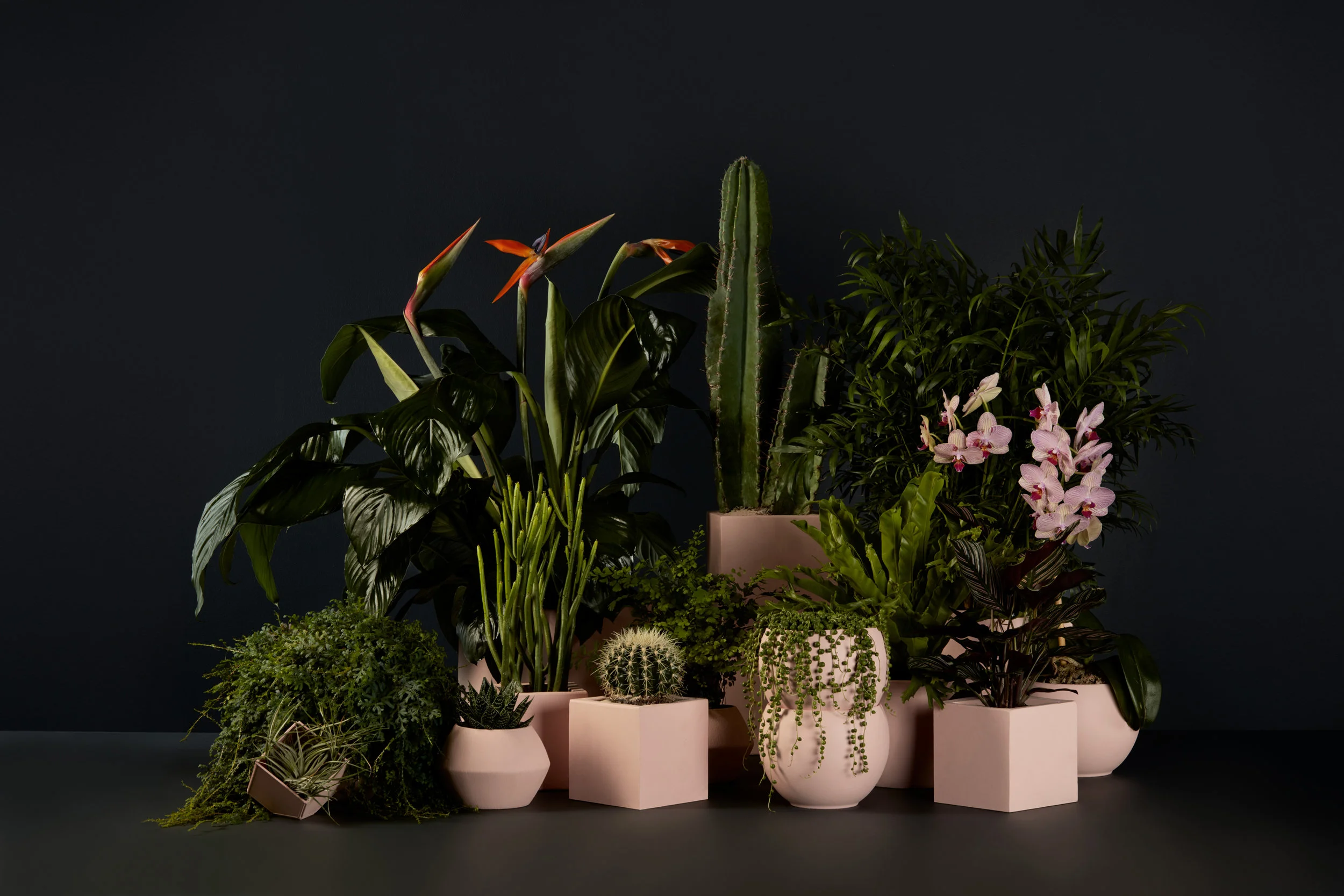
Serving Spring Branch and surrounding Houston neighborhoods since 1999. In The Garden is a hidden treasure for specialty plants, fountains, patio furniture, and one-of-a-kind garden accents.
A Spring Branch Original
Founded by Frank and Suzan Galvan, In The Garden grew from a landscaping enterprise and a warehouse full of unusual finds into a half-acre retail destination just off I-10 at Blalock.
The result is an eclectic, ever-changing mix of specialty plants, herbs, planters, fountains, statuary, patio furniture, and original art from local artists.

How to Prune Roses Properly in the Gulf Coast Climate
Roses in the Gulf Coast region need a pruning routine that accounts for mild winters, sudden freezes, high humidity and long, wet summers. In the Houston area, timing and airflow matter as much as the cut itself. A well-pruned rose receives better light, dries faster after rain and produces stronger flowering growth. Learn more about How To Clean A Tin Ceiling Tile Backer Used As A Tabletop.
Australian gardeners can apply the same principles while adjusting for local seasons. Brisbane’s humid subtropical conditions resemble some Gulf Coast growing challenges, while gardeners in Sydney, Perth or Melbourne may need different timing. The guidance below is aimed at roses grown around Houston, with useful comparisons for anyone shopping through Australia’s active home gardening market.
| Rose type or situation | Best Gulf Coast timing | Main pruning focus |
|---|---|---|
| Hybrid tea and floribunda | Late January to February | Renew canes and open the centre |
| Repeat-flowering shrub roses | Late winter, with light shaping later | Remove weak wood and control size |
| Climbers and ramblers | After the main flowering flush | Shorten side shoots and retain framework |
| Newly planted roses | Lightly after establishment | Remove damaged growth without hard pruning |
| Storm or freeze damage | As soon as damage is clear | Cut back to healthy green wood |
Choose The Right Pruning Window
The main annual prune is usually carried out after the risk of a severe freeze has passed but before strong spring growth begins. In Houston and surrounding Spring Branch neighbourhoods, this often means late January or February. A rose pruned too early may produce tender shoots that are damaged by a late cold snap.
Watch the plant rather than relying on a calendar alone. Remove dead, blackened or split stems once the damage is visible, then wait for the main shaping cut until the weather is settling. Avoid heavy pruning during the hottest part of summer, when exposed stems and fresh wounds can suffer from heat stress.
Roses are part of a broader outdoor-living setting, so pruning should also preserve the way surrounding features are viewed. If a plant frames a seating area or a fountain, make cuts that maintain the intended sightline rather than reducing every cane to the same height. A carefully placed garden fountain can become a focal point while the rose provides seasonal softness around it.
Prepare Tools And Make Clean Cuts
Use sharp bypass secateurs for slender stems, loppers for older canes and a pruning saw for thick, woody growth. Clean blades before moving between roses, particularly where black spot, canker or mildew has appeared. A household disinfectant suitable for garden tools can reduce the chance of transferring disease.
Make each cut about 5 millimetres above a healthy outward-facing bud, angling slightly away from the bud so water does not sit on it. Avoid leaving long stubs, which die back and create entry points for pests. Equally, cutting too close can damage the bud and prevent strong regrowth.
Remove shoots that cross through the centre, rub against another cane or grow towards a path. The open shape is especially valuable in humid Gulf Coast weather because moving air helps foliage dry after rain. Australian gardeners in Brisbane will recognise this concern, while those in drier Perth may place greater emphasis on conserving moisture and limiting sun exposure on freshly cut wood.
Shape The Plant For Airflow And Flowering
Begin with dead, diseased and damaged growth. Then remove thin, weak stems that are unlikely to carry flowers. On established hybrid teas and floribundas, retain several vigorous canes and reduce them by roughly one-third to one-half, depending on the plant’s size and strength. Keep the centre open enough for sunlight and ventilation.
Shrub roses generally need a lighter touch. Shorten overlong branches, remove congested growth and preserve the natural arching habit. Old garden roses that flower once a year are often pruned after flowering rather than during the late-winter rose prune, since their next season’s flowers may form on older wood.
Climbers require special care. Do not cut away the main framework simply because it looks long. Tie strong canes horizontally or diagonally where possible, then shorten the side shoots emerging from them. This encourages flowers along the length of the plant instead of concentrating them at the top.
A rose bed can also benefit from carefully chosen structural companions. For ideas on using decorative features without making a garden feel crowded, see displaying architectural pieces, especially when roses grow beside walls, pergolas or courtyards.
Manage Humidity, Pests And Recovery
After pruning, clear fallen leaves and old petals from beneath the plant. These materials can harbour fungal spores, particularly in a warm, damp climate. Water at soil level rather than wetting the foliage, and apply mulch in a loose layer that does not touch the canes. Good spacing is often more effective than repeatedly treating a crowded rose bed.
Wait until new growth begins before applying a complete rose fertiliser, and follow the product directions carefully. Gulf Coast roses may begin growing earlier than roses in Melbourne or Canberra, where winter conditions can remain cooler. Australian gardeners should adapt feeding to their own local frost pattern rather than copying Houston dates.
Inspect new shoots for aphids, thrips and mite damage. Remove badly affected leaves and encourage beneficial insects before reaching for a broad-spectrum spray. In a residential garden, regular observation is usually easier and gentler than trying to correct a neglected plant after a pest outbreak.
Roses can sit comfortably beside small ornamental trees, but avoid placing them where dense shade or constant root competition will limit flowering. Houston gardeners comparing seasonal planting ideas may find ornamental trees for fall colour useful when planning a layered garden with year-round interest.
A Practical Pruning Checklist
Use this short routine each time you shape a rose:
- Wear thorn-resistant gloves, long sleeves and eye protection.
- Disinfect secateurs before the first cut and between visibly diseased plants.
- Remove dead, damaged, crossing and unusually weak stems first.
- Cut above an outward-facing bud with a clean, slightly sloping cut.
- Keep the plant open enough for light and air to move through the centre.
- Collect prunings and fallen leaves rather than leaving them beneath the canopy.
After pruning, check that irrigation reaches the root zone without splashing the foliage. A layer of compost or suitable mulch can support soil health, but keep it away from the crown. In Australian garden centres and markets, rose fertilisers, organic amendments and water-saving products are widely available; choose materials suited to the soil and climate rather than assuming every product performs identically in Houston.
The best results come from moderate, deliberate pruning rather than a severe haircut. Observe how quickly the plant responds, record flowering dates and adjust next season’s cuts. This approach is particularly helpful when caring for roses in a new garden, a rental courtyard or a commercial property where reliable flowering and tidy form both matter.
For climate-specific plant advice, seasonal gifts, planters and outdoor features, visit In The Garden in the Houston area. The nursery team can help match roses and companion plants to local conditions, while its collection of garden décor and locally made pieces can turn a well-maintained rose bed into a welcoming outdoor space.
Our Work
From cast iron fence posts and ornamental ironwork to European and domestic planters, urns, pedestals, and bird baths, In The Garden curates distinctive garden décor in both vintage and new pieces. The inventory is varied, eclectic, and ever changing, with over 35 years of green-industry experience behind the selections.
Browse our specialty plants & herbs, explore free-standing and lawn water fountains, or relax into a new patio set on view at the Spring Branch location.
Visit Our Spring Branch Nursery
Stop by 1405 Cedar Post Lane, Houston, TX 77055 — just off I-10 (Katy Freeway) at Blalock — to see what's in bloom today.
What We Carry
- Specialty plants & herbs
- Decorative accessories & statuary
- Planters, urns & pedestals
- Free-standing & lawn fountains
- Bird baths & garden accents
- Ornamental iron & cast iron fence posts
- Patio furniture
- Original art from local artists