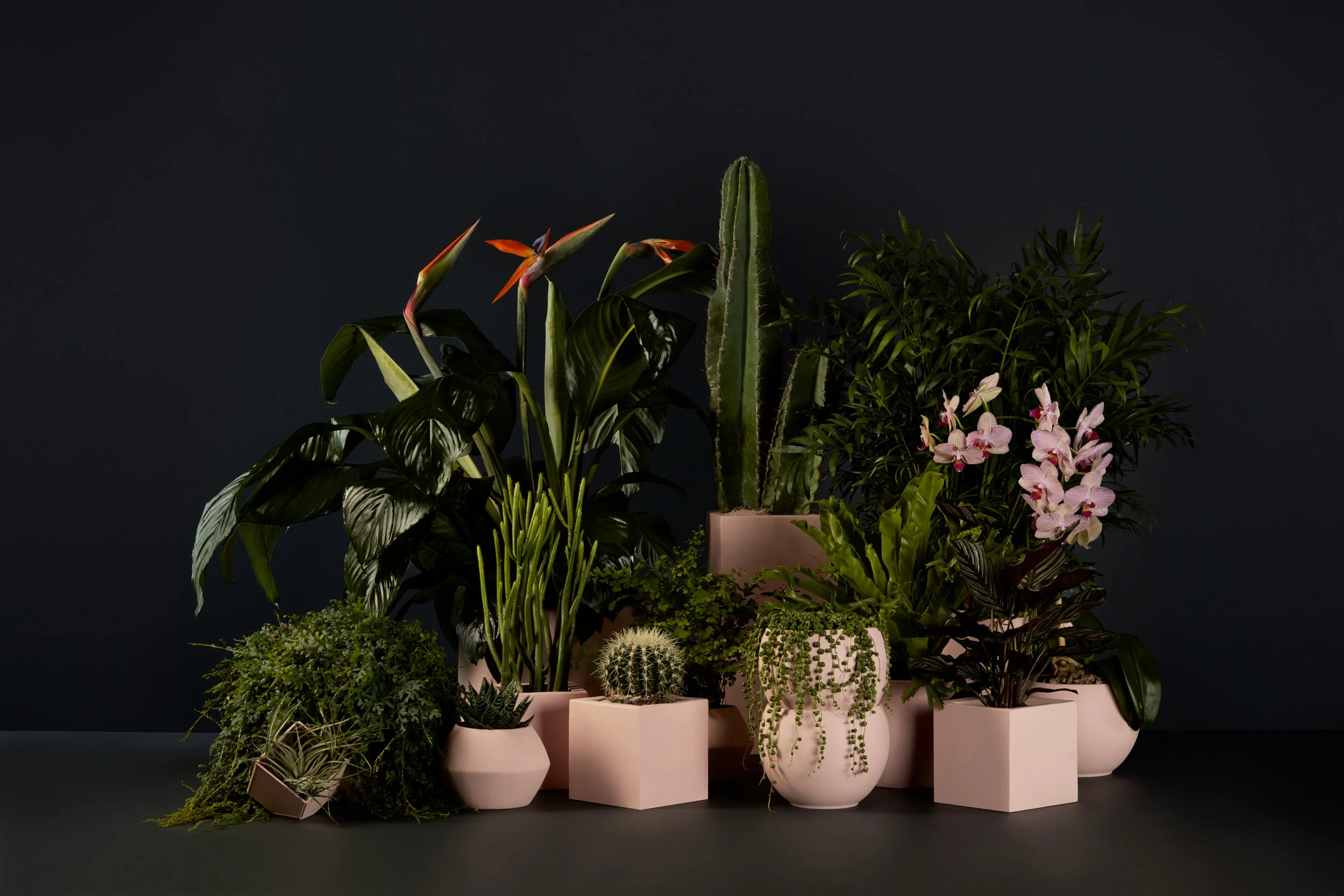
Serving Spring Branch and surrounding Houston neighborhoods since 1999. In The Garden is a hidden treasure for specialty plants, fountains, patio furniture, and one-of-a-kind garden accents.
A Spring Branch Original
Founded by Frank and Suzan Galvan, In The Garden grew from a landscaping enterprise and a warehouse full of unusual finds into a half-acre retail destination just off I-10 at Blalock.
The result is an eclectic, ever-changing mix of specialty plants, herbs, planters, fountains, statuary, patio furniture, and original art from local artists.
How to Display Decorative Architectural Pieces in Your Garden
Decorative architectural pieces can give an outdoor space the presence of a courtyard, an old estate or a carefully designed hotel garden. Arches, columns, carved stone, vintage gates, urns and garden statuary create structure that plants alone cannot provide.
For Australian gardens, the best displays balance beauty with practicality. Strong sunlight, heavy rain, coastal air, dry summers and limited space can all affect where a feature belongs and how it should be maintained. A well-positioned piece should look established rather than simply placed in an empty corner.
Think of the garden as an outdoor room. Architectural details define its edges, draw the eye, support climbing plants and create memorable views from a patio or kitchen window. Whether you are styling a suburban block in Melbourne, a courtyard in Sydney or a large garden near Brisbane, proportion and placement matter more than quantity.
Choose a Feature That Suits the Space
Begin by studying the scale of the garden. A tall obelisk or pair of columns may suit a broad lawn, while a small urn, carved fragment or decorative window frame can add character to a narrow side passage. Measure the available area before buying, including room for access, planting and future growth.
Consider the visual language already present in the property. A federation-era home may welcome sandstone, wrought iron and classical detailing. A contemporary house can handle a bold geometric screen, oversized pot or sculptural concrete piece. Browsing a specialist nursery such as In The Garden can help you compare architectural ornaments with plants, planters and outdoor furnishings in one setting.
Build a Clear Focal Point
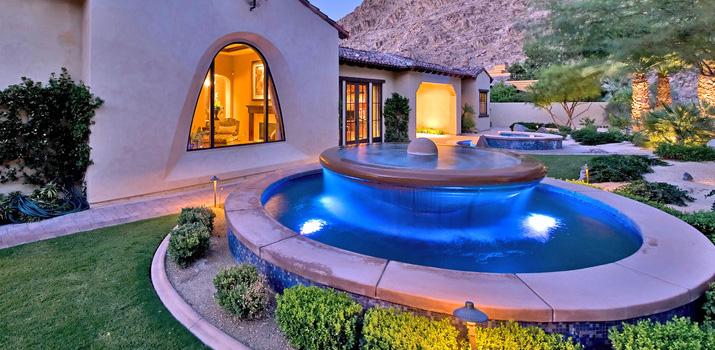
A focal point gives the eye somewhere to rest. Place a prominent feature at the end of a path, opposite a seating area or within a framed view from indoors. A weathered arch can mark the entrance to a garden room, while a fountain can anchor a terrace and provide gentle movement.
Avoid positioning every interesting object where it is immediately visible. A partially concealed statue or fragment often creates a stronger sense of discovery. Use curves in planting beds, clipped shrubs or low walls to guide attention towards the feature without making the route feel forced.
Outdoor entertaining is a familiar Australian habit, so consider the view guests will have from a deck, verandah or barbecue area. A carefully framed architectural detail can make a frequently used entertaining zone feel more finished without taking up valuable seating space.
Combine Materials with Intention
Material affects both style and maintenance. Stone and terracotta develop attractive patina, metal can introduce fine vertical lines, and timber adds warmth. Repetition helps separate materials from visual clutter: echo the colour of a weathered urn in a gravel path, or repeat dark metal through a gate, chair frames and plant supports.
Vintage pieces may carry marks, repairs or signs of previous use. These details are often part of their appeal, but inspect stability, corrosion and sharp edges before installation. For help identifying old metalwork, this guide to brass bed frame marks offers useful background when assessing reclaimed decorative pieces.
Use restraint with finishes. Several unrelated colours and textures can make a garden feel like a salvage yard. Two or three recurring materials usually create a more coherent outdoor composition.
Design for Australian Weather
Place delicate architectural pieces where they are protected from the harshest conditions. In Perth and Adelaide, intense summer sun can fade painted finishes and heat metal rapidly. In Brisbane and Darwin, humidity and heavy rainfall may accelerate moss, mildew and corrosion. Coastal gardens require particular care because salt-laden air affects untreated metal.
Stability is essential in exposed sites. Anchor tall screens, arches and columns securely, and avoid placing top-heavy ornaments where strong winds can reach them. In bushfire-prone areas, keep combustible timber features away from dense vegetation and check current state and local requirements before creating a garden structure.
Water restrictions vary by state and council, so features that depend on constant irrigation or recirculating water should be planned carefully. Houston’s seasonal garden guidance, including advice on preparing garden beds, can provide useful ideas about climate-aware maintenance, even though Australian seasons differ.
Use Plants to Frame the Piece
Plants should support the architecture rather than hide it. Low groundcovers can soften the base of a plinth, while grasses, clipped shrubs or strappy-leaved plants can reinforce its outline. Climbers work well around arches and screens, but choose varieties suited to the local climate and available support.
Allow enough space for mature growth. A feature surrounded by newly planted greenery may look balanced at first, then disappear beneath foliage within two seasons. In small Sydney or Melbourne gardens, use narrow plants and vertical climbers to create height without consuming the entire floor area.
Texture is especially effective when flower colour is limited. Silver foliage can highlight dark stone, fine grasses can soften masonry, and glossy tropical leaves can contrast with aged terracotta. Repeat a plant near the house or path so the feature feels connected to the wider garden.
Avoid Safety and Planning Problems
Large pieces need a practical installation plan. Check whether the ground can support the weight, whether delivery equipment can reach the site and whether underground irrigation, drainage or electrical lines are nearby. A professional installer may be appropriate for heavy stone, fountains and elevated structures.
Australian councils may require approval for pergolas, freestanding walls, substantial screens or structures close to boundaries. Heritage overlays can also restrict alterations to properties in parts of Melbourne, Sydney and other older suburbs. Check council rules before purchasing anything that could be classified as a building element rather than loose decoration.
Drainage deserves attention around fountains and porous stone. Water that collects beneath an ornament can stain paving, damage roots or attract mosquitoes. Use a level base, suitable drainage and safe electrical installation for pumps and lighting.
Compare Placement Styles
Different display approaches create different moods. Choose according to the feature’s scale, the garden’s use and the amount of maintenance you are prepared to provide.
| Placement style | Best for | Main benefit | Watch for |
|---|---|---|---|
| End of a path | Arches, gates and statues | Creates destination and depth | Feature may feel isolated |
| Beside a patio | Urns, fountains and plinths | Enhances entertaining areas | Avoid blocking movement |
| Within planting | Stone fragments and columns | Gives an established, layered look | Plants can conceal details |
| Against a wall | Screens, mirrors and architectural panels | Works well in compact gardens | Check fixing and moisture |
| Beside an entrance | Pots, pillars and plaques | Makes arrival memorable | Keep doors and access clear |
Select and Style with Purpose
Before bringing an architectural piece home, use this practical checklist:
- Measure the feature, access route and installation area.
- Check weight, stability, drainage and fixing requirements.
- Match the material to local sun, rain, wind and salt exposure.
- Leave room for mature plants and routine maintenance.
- Confirm council, heritage and boundary requirements for structural elements.
- Repeat one colour, texture or material elsewhere in the garden.
A successful display should feel connected to daily life. It might frame the morning view, shade a bench, soften a boundary or add atmosphere to an evening meal. Specialist retailers such as In The Garden combine decorative pieces, plants and outdoor living ideas, making it easier to assess how an ornament will work as part of a complete setting.
Choose one feature with presence, give it a stable foundation and surround it with planting that supports its shape. Visit a garden store, measure your site and select a piece that will become more characterful with time rather than demanding constant attention.
Our Work
From cast iron fence posts and ornamental ironwork to European and domestic planters, urns, pedestals, and bird baths, In The Garden curates distinctive garden décor in both vintage and new pieces. The inventory is varied, eclectic, and ever changing, with over 35 years of green-industry experience behind the selections.
Browse our specialty plants & herbs, explore free-standing and lawn water fountains, or relax into a new patio set on view at the Spring Branch location.
Visit Our Spring Branch Nursery
Stop by 1405 Cedar Post Lane, Houston, TX 77055 — just off I-10 (Katy Freeway) at Blalock — to see what's in bloom today.
What We Carry
- Specialty plants & herbs
- Decorative accessories & statuary
- Planters, urns & pedestals
- Free-standing & lawn fountains
- Bird baths & garden accents
- Ornamental iron & cast iron fence posts
- Patio furniture
- Original art from local artists