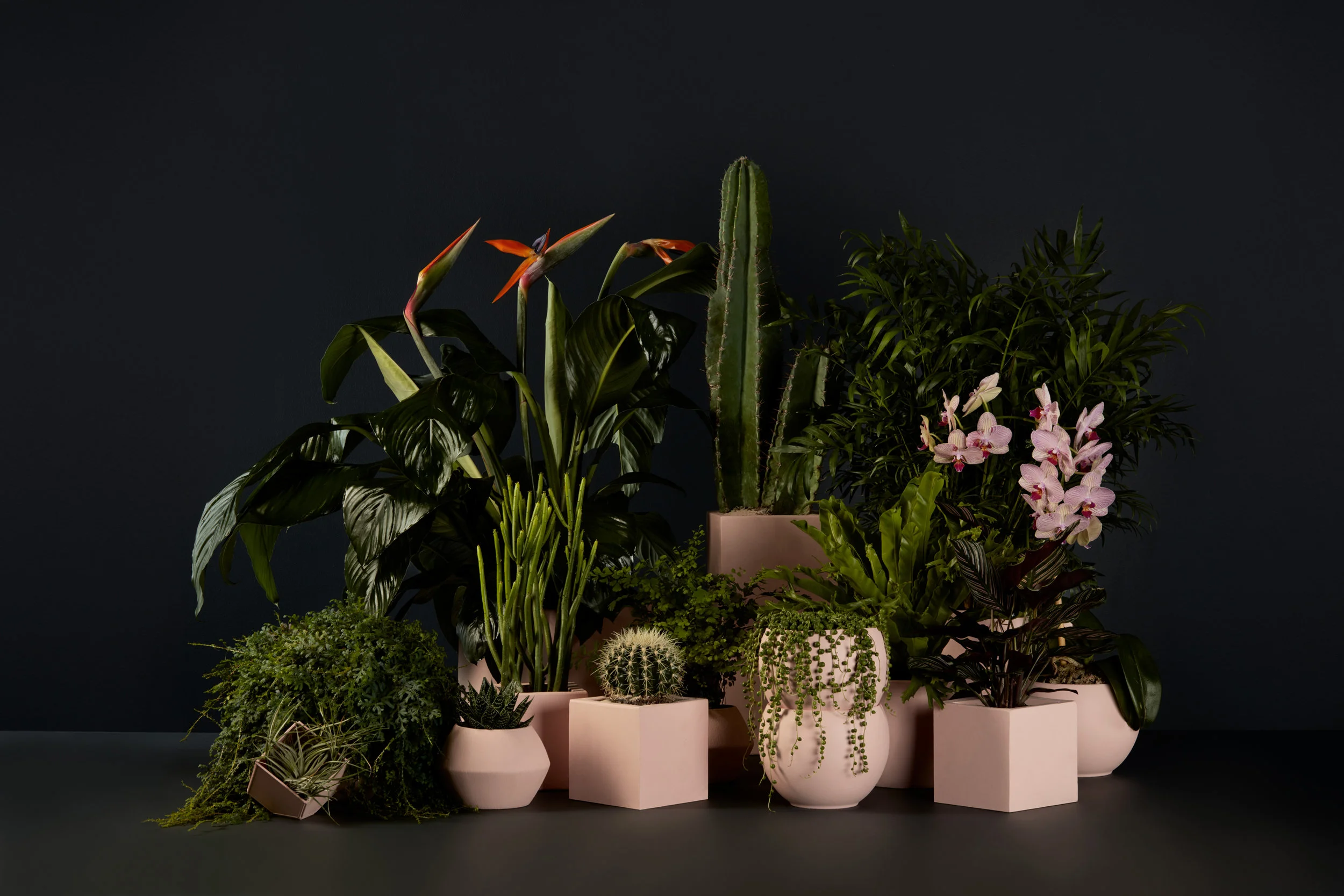
Serving Spring Branch and surrounding Houston neighborhoods since 1999. In The Garden is a hidden treasure for specialty plants, fountains, patio furniture, and one-of-a-kind garden accents.
A Spring Branch Original
Founded by Frank and Suzan Galvan, In The Garden grew from a landscaping enterprise and a warehouse full of unusual finds into a half-acre retail destination just off I-10 at Blalock.
The result is an eclectic, ever-changing mix of specialty plants, herbs, planters, fountains, statuary, patio furniture, and original art from local artists.

A Houston-style cottage garden: mixing ornamentals and edibles
This informal style feels lush rather than formal, with flowers, herbs, vegetables and small trees sharing each mixed border. The pleasure comes from discovery: a rose beside edible violas, nasturtium spilling over a pot, or basil tucked behind salvias. Nothing needs to match rigidly; colour, texture and generous planting create the unity.
Translated for Australia, the idea needs local adjustments. Houston’s heat and humidity resemble parts of Brisbane, while Melbourne has cooler summers and spring frosts, Sydney has humid summers and wet winters, and Adelaide often has hot, dry summers. Use Australian seasons and sun habits rather than copying Houston’s planting calendar.
Aussie gardeners say “veggies”, buy plants in 140 mm pots, and measure potting mix by the litre. These familiar conventions make it easier to turn the Houston display at In The Garden into a workable backyard plan without copying its climate assumptions.
Start with the cottage-garden framework
The basic formula pairs several planting layers with a decorative anchor. Keep permanent structure nearby, then let annual flowers, culinary herbs and crops weave through the middle and edges.
| Layer | Ornamental example | Edible example | Australian design note |
|---|---|---|---|
| Focal point | Dwarf rose, salvia or dwarf crepe myrtle | Calamondin or lemon thyme | Allow mature width and keep citrus evenly watered |
| Middle border | Dianthus, catmint or Japanese anemone | Parsley, chives or salad greens | Separate crop roots from thirsty rose roots |
| Soft edge | Alyssum, lobelia or nasturtium | Thyme, oregano or strawberries | Use contained perennials and remove unwanted seedlings |
| Vertical accent | Sweet pea, clematis or cuphea | Beans, cucumber or passionfruit | Fix strong supports before planting |
At In The Garden in Spring Branch, the mix of specialty plants, locally made art, statuary and architectural pieces shows why this style needs more than flowers. The displays can guide a cohesive scheme rather than a random plant collection.
Match the style to Australian conditions
Start by matching the microclimate, not a generic climate zone. In warm Brisbane, give heat lovers such as cannas and chillies room for airflow; in frosty Melbourne, protect young basil and citrus; in wet Sydney, raise herbs and roses on well-drained soil; and in Adelaide, prioritise mulch and plants that tolerate dry summers.
If an existing plot is choked with grass or bindweed, clear it in stages instead of turning the whole area at once. A practical guide to reviving a neglected bed can organise a weekend of composting, edging and replanting while the soil is still moist.
Build abundant, layered beds
Layer for depth rather than height alone. Put a trellis at the rear, use roses or compact shrubs through the middle, and let oregano, thyme and edible flowers soften the edge. Repeating one colour, such as burgundy foliage or purple flowers, makes the mixed planting look deliberate.
Australian buyers can find character in local makers, architectural salvage and older pieces; browsing vintage garden accents can help with the hunt for planters, statuary or furniture suited to a relaxed garden room. Check that pots drain freely and that ornaments have stable bases.
Shop the Australian nursery market
Australians commonly buy plants at independent nurseries, hardware-store garden centres and weekend markets. Check the root ball, leaf colour and label before buying, and remember that a crowded 140 mm pot may need moving sooner than a smaller one. Ask for the plant’s final size and local drought tolerance.
Compare click-and-collect, member rewards and coupon offers before spending. Verify the seller and read the bonus details and terms because search results can lead to unrelated promotions rather than a nursery discount. If a plant must cross a state border, check biosecurity rules first, especially for travel into Western Australia or Queensland.
Blend ornament with edible harvests
Australians often mix new purchases with inherited or consignment pieces, and the condition checks used in luxury wardrobe consignment translate usefully to garden objects. Inspect joins, patina, drainage and provenance, while ensuring ornaments are stable around children.
Mixing ornamentals and edibles works best when each has a clear purpose. Put culinary herbs near the kitchen door, strawberries where fruit is easy to pick, and edible flowers beside paths; label rose petals or calendula grown without sprays. Group compatible plants for one irrigation zone, water deeply in the cool part of the day, and maintain airflow in humid weather. If pets roam, check toxicity before choosing rhubarb or plants with berries, and ask Australian nursery staff about non-chemical controls for caterpillars and scale.
Choose a practical first-season palette
For a sunny, warm site, start with these mixed pairings:
- Dwarf citrus or lemon thyme beside a compact rose.
- Chilli, cherry tomato and basil among cannas or hibiscus.
- Strawberries at a warm edge with thyme and alyssum.
- Nasturtium around bean or cucumber supports on a sturdy trellis.
For a cooler or partly shaded plot, try:
- Parsley, chives and salad greens among ferns and violas.
- Mint in its own pot beside lobelia or alyssum.
- Blueberries in acidic mix with dwarf conifers or heaths.
- Rhubarb in a deep, cool corner, screened by evergreen foliage and kept away from pets.
Set out irrigation before planting and group plants with similar water needs. Improve heavy clay with compost and organic matter; in wet Sydney or humid Brisbane, raise susceptible plants and keep mulch clear of stems. In Adelaide, apply a generous organic mulch after the soil has warmed, then water deeply rather than little and often.
Choose one square metre this weekend, sketch three flowers and three edibles, and take the plan to a local nursery. For a lush reference, browse the Houston display before shopping, then adapt every plant to Australian sun, soil and water.
Our Work
From cast iron fence posts and ornamental ironwork to European and domestic planters, urns, pedestals, and bird baths, In The Garden curates distinctive garden décor in both vintage and new pieces. The inventory is varied, eclectic, and ever changing, with over 35 years of green-industry experience behind the selections.
Browse our specialty plants & herbs, explore free-standing and lawn water fountains, or relax into a new patio set on view at the Spring Branch location.
Visit Our Spring Branch Nursery
Stop by 1405 Cedar Post Lane, Houston, TX 77055 — just off I-10 (Katy Freeway) at Blalock — to see what's in bloom today.
What We Carry
- Specialty plants & herbs
- Decorative accessories & statuary
- Planters, urns & pedestals
- Free-standing & lawn fountains
- Bird baths & garden accents
- Ornamental iron & cast iron fence posts
- Patio furniture
- Original art from local artists