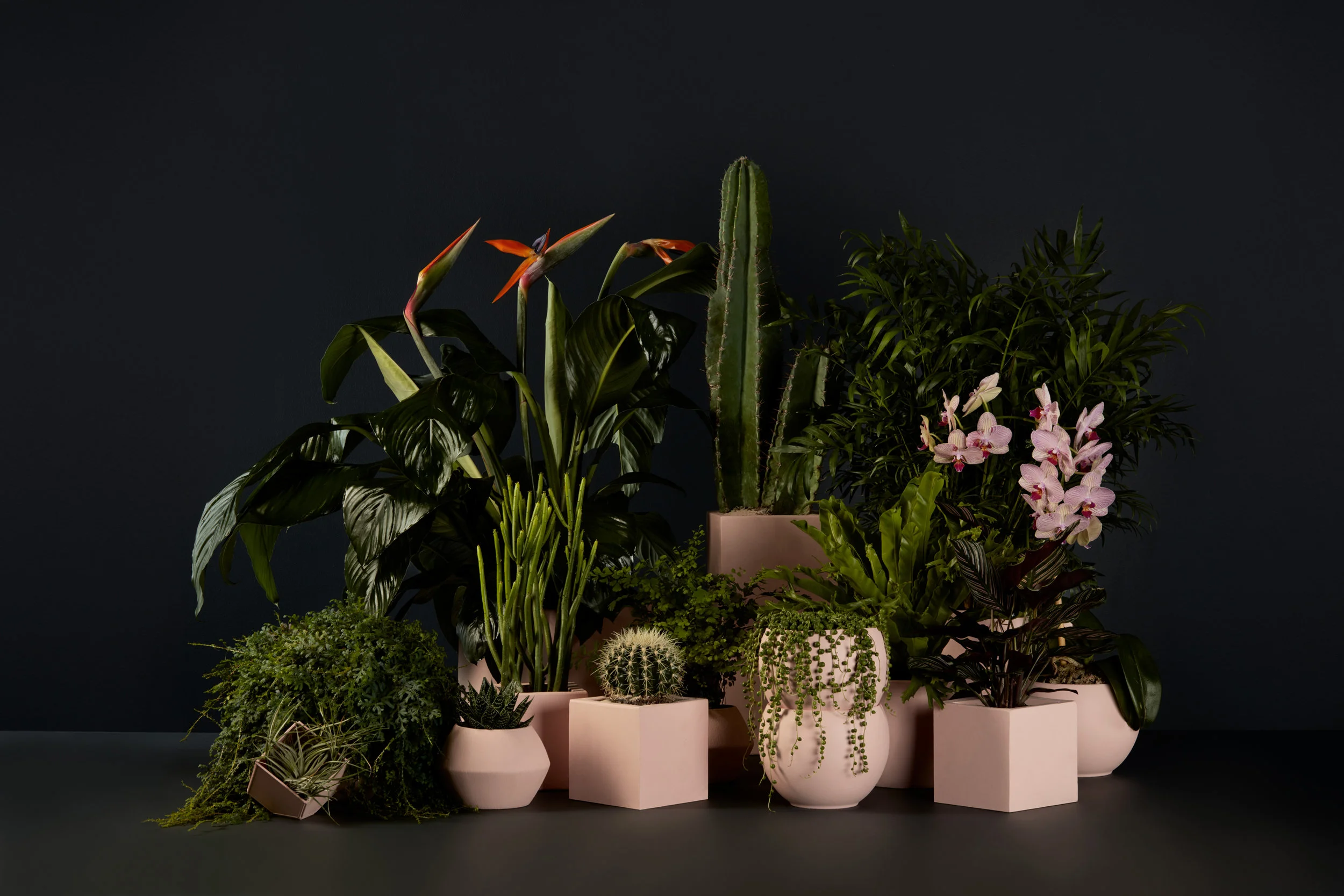
Serving Spring Branch and surrounding Houston neighborhoods since 1999. In The Garden is a hidden treasure for specialty plants, fountains, patio furniture, and one-of-a-kind garden accents.
A Spring Branch Original
Founded by Frank and Suzan Galvan, In The Garden grew from a landscaping enterprise and a warehouse full of unusual finds into a half-acre retail destination just off I-10 at Blalock.
The result is an eclectic, ever-changing mix of specialty plants, herbs, planters, fountains, statuary, patio furniture, and original art from local artists.

How to revive a neglected flower bed in one weekend
A neglected flower bed rarely needs a complete rebuild. In many cases, a weekend of focused clearing, soil care, selective pruning and smart planting can restore its structure and make it useful again. Start with the site’s light, drainage and soil rather than with a shopping list.
In Australia, the same basic method works across very different conditions, but plant choices and water priorities must follow local weather. Melbourne’s sudden cool changes, Brisbane’s humid summers and Perth’s dry heat call for different plants and care. A Saturday nursery and hardware-store run, followed by a day of work at home, is a familiar weekend rhythm for many Australian gardeners.
Read the bed before you touch it
Spend the first hour walking the bed and noting where sunlight reaches, where water collects and which plants remain healthy. Sketch the areas rather than attacking everything at once. A simple photo taken from the same corner also helps you judge progress later.
Check drainage before adding compost or mulch. Notice persistent puddles, eroded channels and soil pressed hard under roots. If water sits for days, improve the bed’s shape and soil structure rather than piling on richer soil.
Before digging, identify pipes, irrigation lines, buried roots and any sharp or hazardous material. Wear sturdy gloves, closed shoes and eye protection; broken glass and animal waste are common in neglected sites. If the ground is very dry, water it lightly first so roots break cleanly instead of tearing.
Clear growth without exhausting the soil
Clear it in manageable sections, starting with the worst weeds and any plants blocking access. Pull annual weeds before they set seed, and cut perennial weeds close to the crown rather than exposing large areas of bare soil. Keep healthy volunteer plants temporarily if they offer structure while you decide.
Prune dead or diseased growth, but retain sound stems for compost when disease is not present. Deal with prunings according to local rules rather than burning them. In New South Wales, backyard burning is prohibited during declared Total Fire Bans and tightly restricted otherwise; some councils ban it altogether, so check both state and council requirements.
Do not discard every worn feature. Clean valuable ornaments, sharpen tools and rescue usable furniture instead. If an old pine bench needs attention, the careful preparation and finishing sequence in this guide to restoring a pine table can be adapted for garden use.
Rebuild soil and guide excess water
Do not mistake a thick layer of imported soil for healthy ground. Digging over the whole bed can damage roots, destroy soil structure and create a sharp interface where water collects. Instead, loosen compacted areas with a fork, remove obvious debris and top-dress with mature compost.
Test the soil before adjusting fertility if possible because acid-loving and alkaline-loving plants respond differently to the same fertiliser. Add compost for structure and only add nutrients shown to be needed; excess fertiliser can encourage weak growth and pollute nearby waterways.
Shape the bed so rain exits gradually. Gently correct low spots, create a shallow slope away from foundations and use edging to stop soil washing onto paths. Avoid a deep trench around the perimeter, which can behave like a moat and leave roots sitting in wet soil.
Finish with 5–8 cm of organic mulch, keeping it away from stems and crowns. Add drip irrigation or a soaker hose before planting, using fittings available from local nurseries or hardware stores. This approach supports water restrictions in dry areas and reduces evaporation during Australian summers.
Choose plants that suit the actual site
Build a plant palette from the bed’s conditions rather than a generic wish list. Australian nurseries commonly stock native species in pots and cell packs alongside drought-tolerant cultivars and soil improvers. For a sunny Sydney coastal bed, species such as Lomandra may be more dependable than moisture-loving annuals; in Perth, dry-climate natives need sharp drainage, while Brisbane choices must tolerate humidity.
Choose plants for mature size, flowering period, rooting habit and water needs. Mix evergreen structure with seasonal colour, and place vigorous growers where they will not smother slow neighbours. Plant after the hottest part of summer in hot climates. In Brisbane, autumn often gives gentler establishment; in Melbourne and Adelaide, wait until severe frost eases, while Perth’s mild winter is excellent for planting.
Site-specific matching is illustrated in In The Garden’s Houston-area native plant guide, which focuses on plants suited to Spring Branch landscapes. Houston has different soils and rainfall from most of Australia, but the underlying principle travels: local conditions should guide the plant list rather than a generic regional label.
Give the bed a clear visual direction
Define one focal point and keep the planting visually calm around it. Clean or repair a birdbath, reposition a statue, add a small path and use locally made art to give the space personality. The garden accessories collection at In The Garden offers useful inspiration for testing ideas before buying.
A simple comparison helps you prioritise repairs and avoid spending the weekend on details that will not solve the main problem.
| What you find | What it usually means | Weekend response |
|---|---|---|
| Dense weeds | A large seed bank and crowded roots | Remove them in sections before they flower |
| Thin or pale soil | Lost organic matter or poor structure | Top-dress with compost instead of replacing everything |
| Persistent puddles | Compaction, low spots or poor grading | Loosen the soil, correct the slope and keep finished soil above the surrounding level |
| Tangled perennial growth | Plants competing for light and water | Prune, divide healthy clumps and remove weak growth |
| Bare patches | Incorrect plants, shade or damaged roots | Correct the cause, improve the soil and replant with suitable species |
Use a focused weekend revival plan
Use the weekend in a deliberate order, with one short break before the work begins so you do not rush structural repairs.
- Map sunlight, drainage and soil conditions before buying plants; create a simple order of work.
- Remove weeds and hazardous debris in sections, bagging material according to council rules.
- Fork compacted soil, add mature compost and correct low spots without burying the bed in imported soil.
- Select locally proven plants by mature size, water need and climate rather than colour alone.
- Install edging and drip irrigation, then mulch after planting to protect soil and conserve water.
- Finish with one cleaned focal feature and a comfortable place to sit, ready for the first season.
Make a date with the bed: gather tools and compost today, clear and rebuild on Saturday, then plant and mulch on Sunday. By sunset, the neglected space will have a clear structure, healthy soil and plants chosen for the life it actually leads.
Our Work
From cast iron fence posts and ornamental ironwork to European and domestic planters, urns, pedestals, and bird baths, In The Garden curates distinctive garden décor in both vintage and new pieces. The inventory is varied, eclectic, and ever changing, with over 35 years of green-industry experience behind the selections.
Browse our specialty plants & herbs, explore free-standing and lawn water fountains, or relax into a new patio set on view at the Spring Branch location.
Visit Our Spring Branch Nursery
Stop by 1405 Cedar Post Lane, Houston, TX 77055 — just off I-10 (Katy Freeway) at Blalock — to see what's in bloom today.
What We Carry
- Specialty plants & herbs
- Decorative accessories & statuary
- Planters, urns & pedestals
- Free-standing & lawn fountains
- Bird baths & garden accents
- Ornamental iron & cast iron fence posts
- Patio furniture
- Original art from local artists