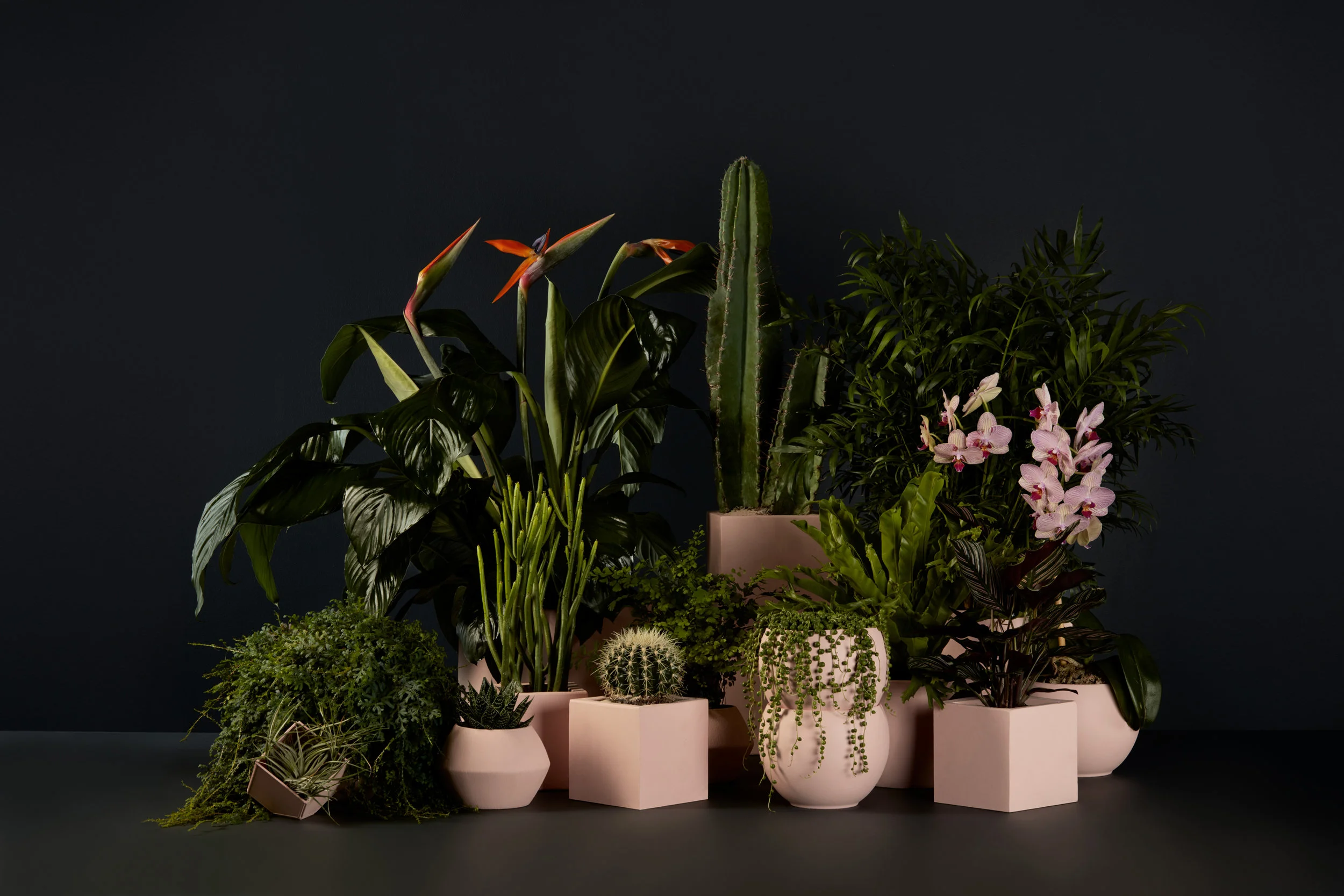
Serving Spring Branch and surrounding Houston neighborhoods since 1999. In The Garden is a hidden treasure for specialty plants, fountains, patio furniture, and one-of-a-kind garden accents.
A Spring Branch Original
Founded by Frank and Suzan Galvan, In The Garden grew from a landscaping enterprise and a warehouse full of unusual finds into a half-acre retail destination just off I-10 at Blalock.
The result is an eclectic, ever-changing mix of specialty plants, herbs, planters, fountains, statuary, patio furniture, and original art from local artists.
How to Choose a Garden Bench That Complements Your Landscape
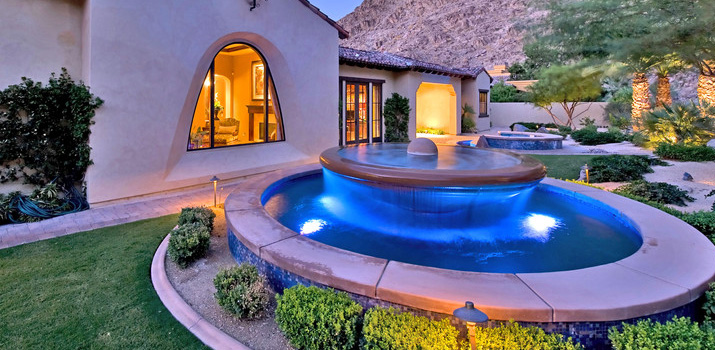
A garden bench is more than seating. Set against a lawn, hedge, pond or paved courtyard, it becomes a focal point and can either anchor the landscape or look strangely placed. The best choice supports the garden’s character, fits the available space and remains comfortable through the seasons.
Begin with how you will use it. A shaded seat for morning coffee needs a different form from a sociable perch beside a fire pit or a quiet lookout across native planting. Note who will use it, whether children or older relatives need armrests, and how often cushions or a small table will be added.
Australian conditions make those decisions more specific. Coastal Sydney exposes furniture to salt-laden winds; Melbourne can move quickly from rain to strong sun; Brisbane brings humidity and summer downpours; and Perth and Adelaide can hold intense heat for weeks. Eucalyptus leaves, pollen and nearby bushfire embers also influence materials and placement.
Rather than starting with a photograph online, measure the site and observe it at several times of day. Record the width, depth and firmness of the surface, the direction of prevailing wind and the amount of shade. This information makes comparison shopping far more useful than colour alone.
Measure the Space and Set the Scale
Allow room to sit, stand and walk past. A seat about 43–45 cm high and 50–55 cm deep suits most adults, while a 120–150 cm bench generally accommodates two or three people. A wider 160–180 cm model suits families, but it needs more surrounding space and should not block a path.
Check the view from both directions, not only from the house. A bench facing a fence may hide an attractive feature, while one aimed into a busy driveway can feel restless. Look for level drainage, stable edging and enough clearance from roots so the seat does not tilt as the garden matures.
If the bench will overlook a new bed, this cedar raised bed guide can help coordinate timber tones, edging height and project costs. Shared proportions make the seating area feel intentional, while separate finishes can create a clearer contrast.
Match Materials to the Climate
Match the material to the microclimate, not simply the look. Teak, jarrah and other properly treated hardwoods suit many gardens, but their maintenance varies. Powder-coated aluminium and galvanised steel resist humidity well; solid timber feels warmer; recycled hardwood can suit rustic yards when its treatment and provenance are clear.
In Brisbane, favour open slats and coatings that tolerate humidity. In Melbourne, allow drainage between boards so trapped moisture cannot cause swelling. For Perth or Adelaide, lighter colours reflect heat, while UV-resistant cushions and a covered position prevent fading. Near bushland, keep timber benches farther from ember-prone vegetation and follow local fire guidance.
Inspect construction before buying: look through joints, count fixings, and check that any finish can be renewed. A guide to repairing chipped veneer illustrates why sound edges and repairable construction matter. Australian retailers usually show GST-inclusive prices, so compare those with local warranties rather than relying on imported discounts.
Choose a Style That Belongs
Let style come from the surrounding landscape. Formal paving and clipped hedges suit a clean, symmetrical bench; coastal planting pairs well with simple slatted forms; native gardens often suit chunky timber or understated metal. The bench should echo one or two materials already present, not compete with every feature.
Scale is equally important. Delicate furniture disappears beside a broad lawn, while an oversized rustic bench can overwhelm a narrow courtyard. Australian verandahs and courtyard gardens often work best with a bench that leaves the architecture visible and provides a clear route to the garden beyond.
For a deliberately playful setting, the range of European casino designs can inspire one graphic accent in planters or statuary around a traditional bench. Keep the seat itself restrained, then let a single decorative detail create contrast and personality without making the area feel cluttered.
Plan for Comfort, Plants and Daily Use
Comfort comes from dimensions and support. A gently reclined back, armrests at a usable height and a seat that does not dig in after an hour matter more than a decorative silhouette. Try the bench in person if possible, and check that the arm width accommodates a book, cup or small gardening tray.
Think about the bench as a viewpoint within the garden. If it overlooks native flowers, advice on Gulf Coast pollinator plants offers a transferable approach: frame the seat with seasonal blooms that attract bees and butterflies, choosing Australian natives suited to your own region rather than importing a Gulf Coast palette wholesale.
Practical details deserve equal attention. A heavy bench resists wind but is harder to move, so secure lightweight models in exposed locations. Add removable, quick-dry cushion covers rated for UV, and choose a finish that can be cleaned without specialist products. Position the seat where it receives evening shade and good airflow.
Shortlist Benches for Common Australian Spaces
A shortlist should reflect the site rather than a universal ideal. Use these starting points for common Australian conditions, then adjust the dimensions, finish and placement to match your own garden.
- For compact courtyards, choose a slim wood or aluminium bench no longer than 150 cm, with a 43–45 cm seat and open space beneath for easy cleaning.
- For coastal Sydney, select rust-resistant aluminium, treated hardwood or teak with drainage gaps, and use removable cushions that can be washed after salt exposure.
- For Perth and Adelaide, prioritise a pale or slatted seat, full or partial shade, UV-rated fabric and a finish that will not warp in sustained heat.
- For humid Brisbane, choose powder-coated metal or well-maintained hardwood, favour ventilated construction and avoid cushions that hold moisture.
- For family gathering spaces, select a 160–180 cm bench with supportive arms and enough clearance for a side table, checking that it remains stable on uneven paving.
Measure the intended spot, note its sun and wind exposure, and take those details to a trusted Australian garden centre. Compare shortlisted benches with the surrounding planting and paving, and browse In The Garden’s seating, statuary and locally made art for inspiration. Bring a clear plan and a sample of your paving or foliage to your local supplier, then choose the bench that makes the whole space feel coherent.
Our Work
From cast iron fence posts and ornamental ironwork to European and domestic planters, urns, pedestals, and bird baths, In The Garden curates distinctive garden décor in both vintage and new pieces. The inventory is varied, eclectic, and ever changing, with over 35 years of green-industry experience behind the selections.
Browse our specialty plants & herbs, explore free-standing and lawn water fountains, or relax into a new patio set on view at the Spring Branch location.
Visit Our Spring Branch Nursery
Stop by 1405 Cedar Post Lane, Houston, TX 77055 — just off I-10 (Katy Freeway) at Blalock — to see what's in bloom today.
What We Carry
- Specialty plants & herbs
- Decorative accessories & statuary
- Planters, urns & pedestals
- Free-standing & lawn fountains
- Bird baths & garden accents
- Ornamental iron & cast iron fence posts
- Patio furniture
- Original art from local artists