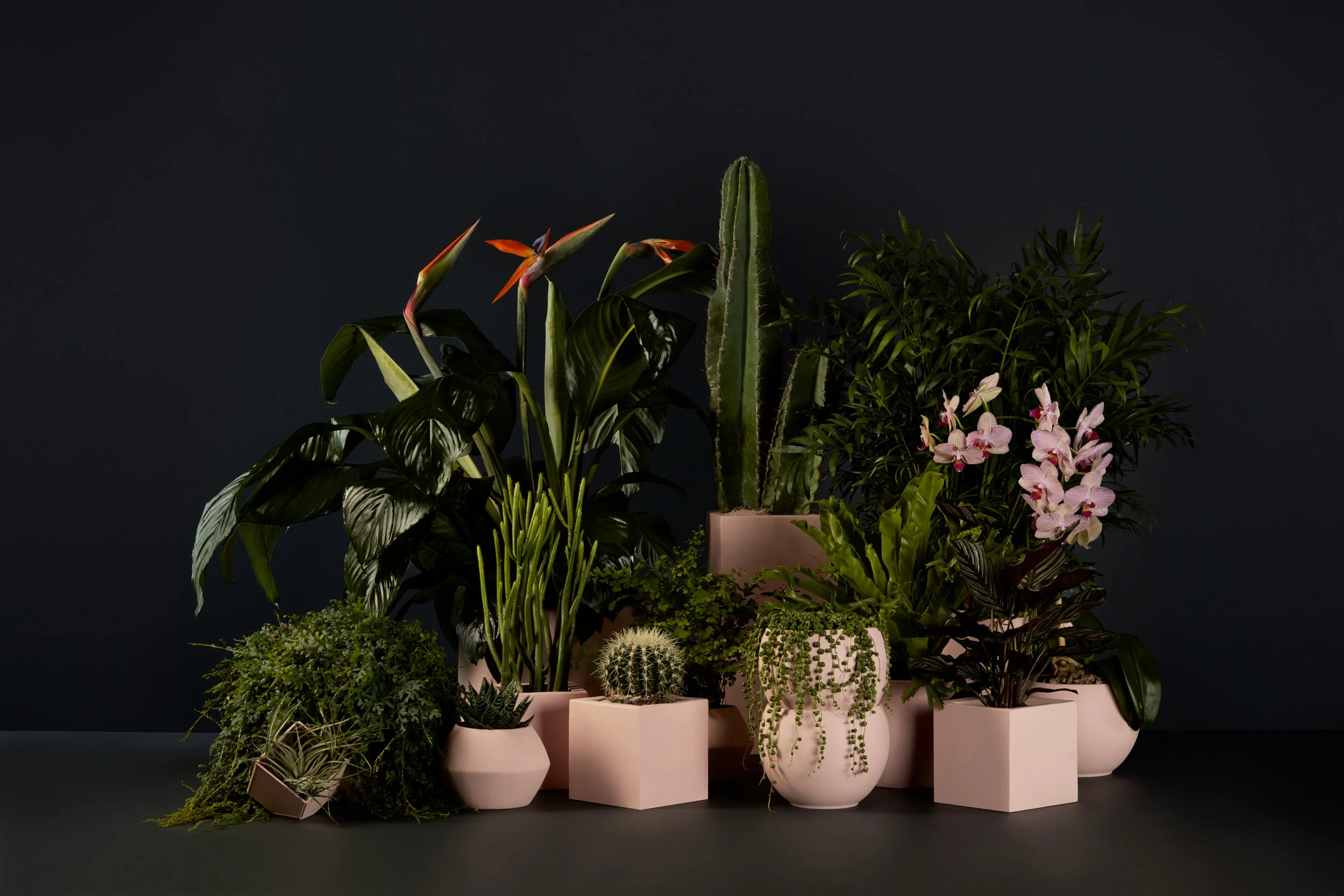
Serving Spring Branch and surrounding Houston neighborhoods since 1999. In The Garden is a hidden treasure for specialty plants, fountains, patio furniture, and one-of-a-kind garden accents.
A Spring Branch Original
Founded by Frank and Suzan Galvan, In The Garden grew from a landscaping enterprise and a warehouse full of unusual finds into a half-acre retail destination just off I-10 at Blalock.
The result is an eclectic, ever-changing mix of specialty plants, herbs, planters, fountains, statuary, patio furniture, and original art from local artists.
Bring More Pollinators to Your Gulf Coast Garden
A lively pollinator garden can turn a Houston-area patio, courtyard or backyard into a small wildlife corridor. Bees, butterflies, hoverflies, moths and hummingbirds are drawn to reliable food, shallow water and shelter from wind. With the right planting choices, even a compact suburban space can support useful visitors throughout the growing season.
For Australian gardeners, the Gulf Coast climate offers familiar lessons about heat, humidity and sudden downpours, although the plant palette will differ. A Brisbane garden may share the warm, wet conditions, while a Perth or Adelaide garden needs a stronger focus on drought tolerance. The same principles apply: grow diverse flowers, avoid unnecessary chemicals and make the garden easy for pollinators to use.
Start With a Sunny, Connected Planting Scheme
Most nectar-rich flowers perform best with at least six hours of sunlight. Observe your garden across the day before planting, then group flowers in generous drifts rather than scattering one plant here and there. Repeated patches are easier for insects to find, particularly in larger yards or commercial landscapes.
Choose a sequence of bloom times so food remains available from early spring into autumn. In a Gulf Coast garden, suitable options may include salvia, lantana, pentas, native asters, coneflower, bee balm and milkweed. Australian gardeners can look to grevillea, westringia, native mint bush and bottlebrush, selecting species suited to local soil and rainfall.
A visit to a specialist nursery can help match plants to your microclimate, whether you need a salt-tolerant choice near the coast or a heat-loving flower for a west-facing courtyard. In Houston, specialty plants can provide a useful starting point for building layers of nectar and colour.
Grow Flowers With Different Shapes
Pollinators have different body sizes, tongue lengths and feeding habits. Flat, open flowers are accessible to many native bees, hoverflies and small butterflies. Tubular blooms suit hummingbirds and long-tongued bees, while clustered flowers such as dill, fennel and coriander attract beneficial insects with small mouthparts.
Include herbs that can flower rather than harvesting every stem. Basil, oregano, thyme, rosemary and mint provide nectar when allowed to bloom, and their leaves remain useful in the kitchen. In Australia, flowering coriander can be especially valuable during mild weather, although it may bolt quickly in a hot Queensland summer.
Avoid filling every bed with heavily hybridised flowers that produce little nectar or pollen. A plant may have spectacular double blooms yet offer limited access to the resources insects need. Mix ornamental varieties with simpler, pollen-rich forms and let a few edible plants flower at the end of their harvest.
Provide Water, Shelter and Nesting Places
Pollinators need more than flowers. Set a shallow dish or birdbath in a sheltered position, adding pebbles, bark or floating cork so insects can land safely. Refresh the water regularly in hot weather to prevent mosquitoes and keep the drinking area clean.
Bare patches of well-drained soil can support ground-nesting native bees. Hollow stems, untreated timber blocks and bundles of bamboo may provide additional nesting places, though these features should be kept dry and cleaned or replaced periodically. A loose section of mulch, fallen leaves and small branches also gives beetles and other garden allies somewhere to hide.
Australian gardeners should consider local wildlife as part of the design. Stingless bees are common in parts of Queensland, while blue-banded bees may visit suitable flowers across several states. Avoid placing nesting features in full afternoon heat, especially during a typical summer arvo when exposed surfaces can become dangerously hot.
Use Water-Wise Plants for Australian Conditions
A pollinator garden does not need to be thirsty. Select plants adapted to your rainfall zone and group them according to water needs. Deeply watering established plants less often is generally more effective than lightly sprinkling every day, provided the soil drains well and local restrictions allow it.
In Brisbane and coastal New South Wales, humidity and heavy rain make airflow and drainage important. In Melbourne, cool winters may limit some tropical species, while Perth gardeners often need sandy-soil plants that tolerate dry summers. Check guidance from your local council or state water authority before installing irrigation, as restrictions and approved watering times vary.
Use compost to improve soil structure, apply organic mulch away from plant stems and direct water to the root zone. A small rain garden or shallow planted depression can capture stormwater after a downpour, while also creating a damp refuge for insects and reducing runoff from paving.
Reduce Chemicals and Light Disturbance
Broad-spectrum insecticides can harm visiting pollinators as well as the pests they target. Start by identifying the problem, then try hand removal, pruning, a strong jet of water or insect netting. If treatment becomes necessary, use the least disruptive product according to its label and avoid spraying open flowers.
Synthetic fertiliser can encourage soft, leafy growth that attracts sap-sucking insects. Healthy soil, appropriate plant selection and moderate feeding usually create a more balanced garden. Leave a few seed heads standing over winter where practical, since they offer food and shelter after flowering finishes.
Bright outdoor lighting can interfere with moths and other nocturnal pollinators. Use warm-toned, downward-facing lights and switch them off when they are not needed. Decorative elements can still make the space inviting: weathered pots, birdbaths and garden accents can add character without taking away from the habitat.
Design for Beauty and Everyday Living
Pollinator-friendly planting works best when it fits the way you use the garden. Place fragrant herbs near the kitchen, flowering pots around a seating area and taller shrubs along a fence for privacy and shelter. In a Houston courtyard, containers can soften hard surfaces and provide concentrated nectar close to doors and windows.
Choose a mixture of heights: low groundcovers, flowering perennials, shrubs and small trees. This layered structure gives butterflies places to rest and birds cover from predators. It also makes a garden feel abundant without requiring a large footprint, which suits townhouses, balconies and hospitality courtyards.
For Australian homes, consider how plants cope with bushfire risk, coastal salt, pets and local regulations before committing to a design. A native plant society, council nursery or knowledgeable garden centre can help refine the list. Commercial property owners can use flowering borders and planter displays to make entrances more welcoming while supporting urban biodiversity.
Visit In The Garden for climate-aware plant choices, outdoor living pieces and practical inspiration for a more active garden. Build your planting in stages, keep flowers available across the seasons and give each new bed time to establish before expanding it.
Our Work
From cast iron fence posts and ornamental ironwork to European and domestic planters, urns, pedestals, and bird baths, In The Garden curates distinctive garden décor in both vintage and new pieces. The inventory is varied, eclectic, and ever changing, with over 35 years of green-industry experience behind the selections.
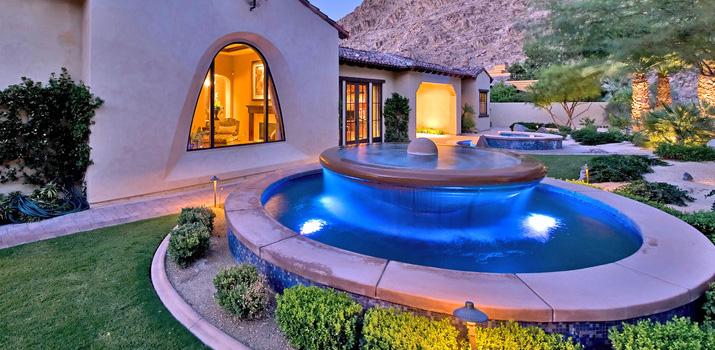
Browse our specialty plants & herbs, explore free-standing and lawn water fountains, or relax into a new patio set on view at the Spring Branch location.
Visit Our Spring Branch Nursery
Stop by 1405 Cedar Post Lane, Houston, TX 77055 — just off I-10 (Katy Freeway) at Blalock — to see what's in bloom today.
What We Carry
- Specialty plants & herbs
- Decorative accessories & statuary
- Planters, urns & pedestals
- Free-standing & lawn fountains
- Bird baths & garden accents
- Ornamental iron & cast iron fence posts
- Patio furniture
- Original art from local artists