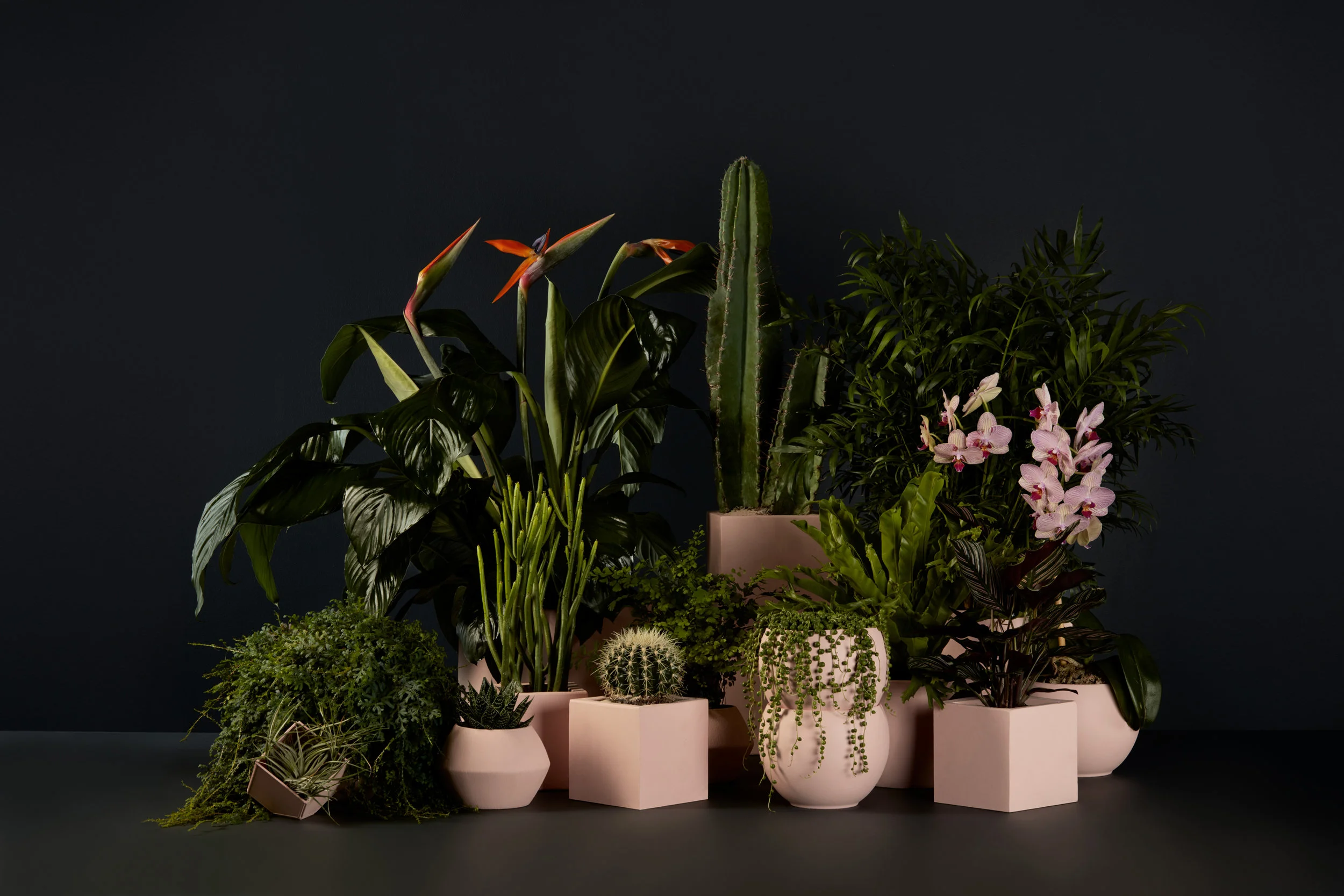
Serving Spring Branch and surrounding Houston neighborhoods since 1999. In The Garden is a hidden treasure for specialty plants, fountains, patio furniture, and one-of-a-kind garden accents.
A Spring Branch Original
Founded by Frank and Suzan Galvan, In The Garden grew from a landscaping enterprise and a warehouse full of unusual finds into a half-acre retail destination just off I-10 at Blalock.
The result is an eclectic, ever-changing mix of specialty plants, herbs, planters, fountains, statuary, patio furniture, and original art from local artists.

Tips for successful composting in a suburban Houston backyard
Composting turns veggie scraps, coffee grounds, leaf litter and spent plants into dark humus instead of sending them to landfill. In a suburban Houston backyard, a productive pile depends less on a fancy tumbler than on balancing nitrogen-rich and carbon-rich material.
Houston’s long, humid growing season keeps microbial activity active, but heavy clay, sudden downpours and intense summer heat create their own problems. A soggy heap smells sour, while a dry heap stalls. Good airflow, even moisture and suitable cover materials make the process predictable.
Australian readers should adjust for the reversal in seasons. When Brisbane has a muggy December, Houston is entering winter. Australian backyards often double as outdoor entertaining areas, so compost should be tidy, screened or enclosed rather than occupying prime patio space. Terms such as “green waste” and “veggie scraps” translate easily across the Pacific.
In The Garden Houston can help you select plants, planters and accessories that complement compost-enriched soil. Start with a small system, observe it often and expand only when you can maintain the right balance of fresh and dry materials.
Choose a practical site and system
Set an enclosed bin or heap on level, well-drained ground near a water tap, but away from fences, septic systems and tree roots. Where Houston has heavy clay, a base of coarse branches can improve drainage. Avoid digging a pit because wet-season rainfall may fill it. Bright shade during the hottest part of the afternoon helps during summer.
Choose a lidded plastic bin for odour control, wooden slats for airflow or a worm farm where space is limited. A worm farm can suit a compact Australian-style courtyard, but Houston’s heat requires shade and stable moisture in the bedding. Check neighbourhood rules and local flood guidance before placing a bin in a low-lying area.
Deciduous foliage makes excellent brown material, although Houston species may behave differently from northern climates. This guide to fall colour shrubs can inspire a mixed border, but check every plant’s heat tolerance before copying a northern Indiana planting list. Shred large leaves and mix them with fresher clippings so they do not form a dense mat.
Balance nitrogen with carbon
Aim for roughly two buckets of brown material for every bucket of green material by volume. Useful greens include vegetable peelings, coffee grounds and fresh lawn clippings. Browns include shredded leaves, uncoated cardboard and small twigs. Alternate the layers or mix them thoroughly, since even distribution helps material decay at a similar rate.
Keep meat, fish, dairy, oily leftovers, pet waste and glossy paper out of the pile. Add healthy plant material, but avoid anything heavily treated with persistent herbicides. Diseased weeds and plants are safest in a municipal hot-compost system because a small backyard pile may never become hot enough to destroy every pathogen.
Compare the main ingredients this way:
| Material | Useful examples | Main contribution | Practical check |
|---|---|---|---|
| Greens | Vegetable peelings, coffee grounds, fresh grass | Nitrogen and moisture | Mix in rather than piling |
| Browns | Shredded leaves, cardboard, small twigs | Carbon and airflow | Add when the pile becomes wet |
| Woody material | Stems, bark, dry foliage | Slow-release carbon | Chop or shred for faster breakdown |
| Finished compost | Dark, crumbly, earthy material | Humus and beneficial microbes | Use only after composting |
Begin a new pile with a thin layer of garden soil or finished compost to give microbes a familiar starting point. Keep dry leaves nearby for wet conditions. If the pile becomes too dry, add water sparingly and turn the dry outer material into the centre.
Manage heat, rain, and moisture
A well-built pile becomes hottest at its centre, especially from May through September. Turn a traditional heap every week or two during the warmer months to redistribute heat and moisture. With a tumbler, mix the contents whenever fresh kitchen scraps are added. A thermometer helps, but a hand and nose are enough for a small backyard system.
Roof runoff can flood a pile and wash away nutrients, so use a breathable rain cap rather than wrapping it tightly in plastic. For dry compost, water around the material early in the day and allow it to soak in. The local advice on best watering times also favours early watering for nearby beds, giving foliage time to dry.
Do not follow a fixed watering schedule. During Houston’s wettest weeks, check for sour odours and slimy material. During dry, windy winter weather, test whether a handful of compost holds together without dripping. Change one thing at a time so you can identify what improves the pile.
Build a reliable compost routine
Consistent small additions are better than occasional large dumps. Keep a lidded caddy beside the back door, chop material into pieces about the size of a fist and record what enters the pile. A modest kitchen-scrap system works well when every addition is balanced with carbon-rich material.
A weekly working rhythm
- Add one or two buckets of material and cover each addition with browns.
- Turn the pile weekly during warm months and less often in cooler weather.
- Check moisture, odour and temperature before changing the recipe.
- Keep dry leaves or cardboard ready for wet conditions.
- Clean tools and keep the bin lid secure against pests.
Finished compost is ready when it is dark, crumbly, earthy-smelling and no longer recognisable as the original ingredients. A small Houston pile may take two or three months in warm weather and longer during cooler months.
A harvest and use plan
- Sift coarse pieces before mixing compost into garden beds.
- Blend it with potting mix for containers at roughly one part compost to four parts mix.
- Work a few centimetres into soil around herbs, shrubs and annual flowers.
- Apply a thin mulch layer over thirsty beds, keeping it clear of plant stems.
- Return screened material to the base of the next pile as a microbial starter.
The feature on upcycled garden accents shows how old metal, timber and found objects can make a compost-fed corner feel intentional. A weathered urn or timber trellis beside the bed connects practical gardening with the outdoor-living style popular around Houston.
Adapt Australian habits for Houston
Across Australia, councils around Sydney, Melbourne and Brisbane may collect green waste separately or offer organics programs, although the rules differ. Hardware chains such as Bunnings and local nurseries stock bagged compost, tumblers and worm farms, so check product labels and local guidance before buying or adding unfamiliar material.
Australian gardeners often call vegetable peelings “veggie scraps” and poultry manure “chook poo”. Fresh manure needs thorough composting, while common eucalyptus leaves and bark contain oils and waxy surfaces that slow breakdown. Shred them and mix them with softer garden waste rather than adding them alone. Follow the local temperature, rainfall and moisture test rather than an Australian calendar.
Choose one tidy bin, gather a balanced starter load and begin with this week’s kitchen scraps. Visit In The Garden Houston for climate-appropriate plants, practical composting guidance and outdoor-living ideas that will keep your suburban backyard productive for years.
Our Work
From cast iron fence posts and ornamental ironwork to European and domestic planters, urns, pedestals, and bird baths, In The Garden curates distinctive garden décor in both vintage and new pieces. The inventory is varied, eclectic, and ever changing, with over 35 years of green-industry experience behind the selections.
Browse our specialty plants & herbs, explore free-standing and lawn water fountains, or relax into a new patio set on view at the Spring Branch location.
Visit Our Spring Branch Nursery
Stop by 1405 Cedar Post Lane, Houston, TX 77055 — just off I-10 (Katy Freeway) at Blalock — to see what's in bloom today.
What We Carry
- Specialty plants & herbs
- Decorative accessories & statuary
- Planters, urns & pedestals
- Free-standing & lawn fountains
- Bird baths & garden accents
- Ornamental iron & cast iron fence posts
- Patio furniture
- Original art from local artists