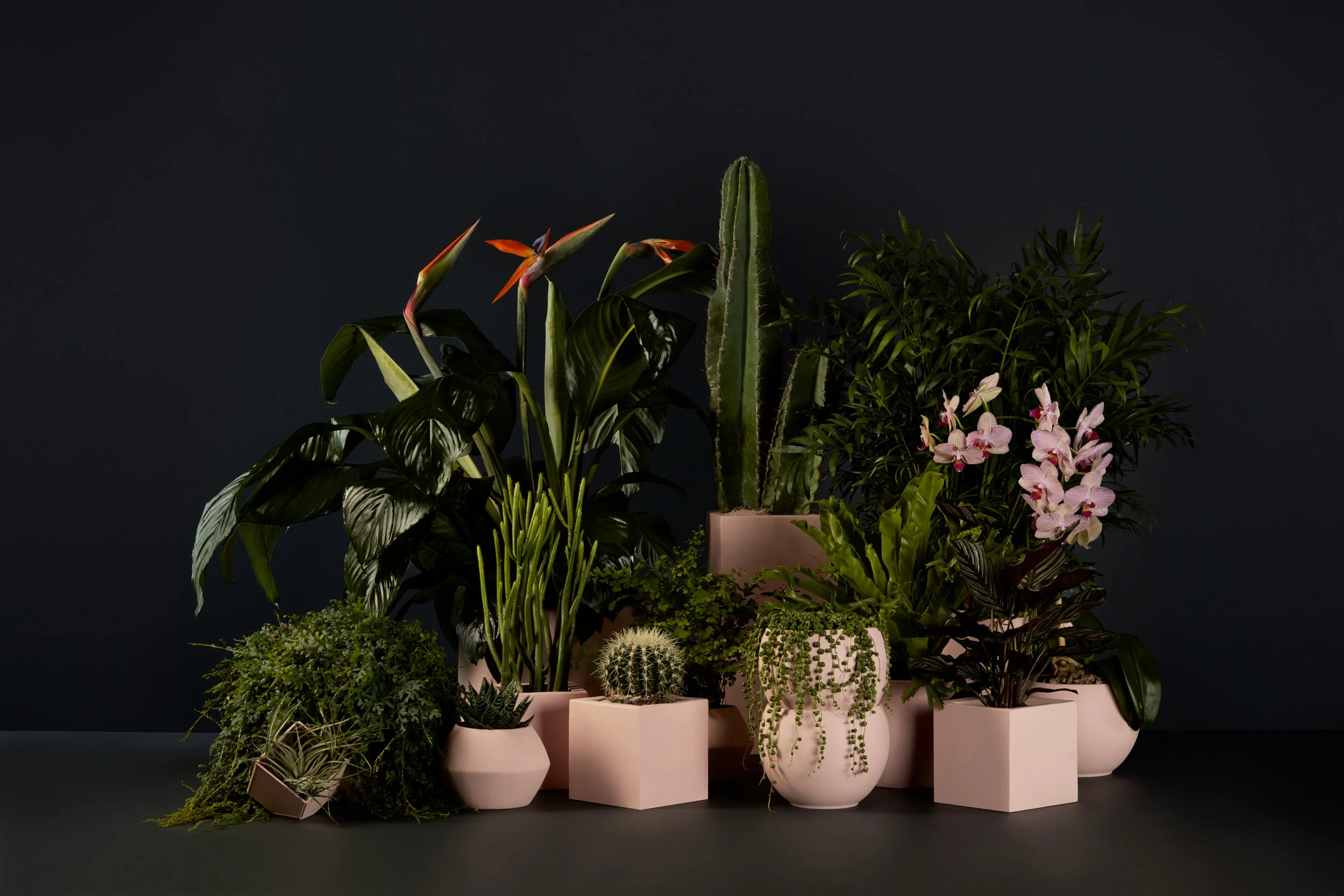
Serving Spring Branch and surrounding Houston neighborhoods since 1999. In The Garden is a hidden treasure for specialty plants, fountains, patio furniture, and one-of-a-kind garden accents.
A Spring Branch Original
Founded by Frank and Suzan Galvan, In The Garden grew from a landscaping enterprise and a warehouse full of unusual finds into a half-acre retail destination just off I-10 at Blalock.
The result is an eclectic, ever-changing mix of specialty plants, herbs, planters, fountains, statuary, patio furniture, and original art from local artists.
The Best Times of Day to Water Your Garden in Texas
Texas gardens face intense sunlight, hot pavements, sudden downpours and long stretches of dry weather. Choosing the right watering window helps roots absorb moisture before evaporation removes it, while reducing the risk of fungal disease and stressed plants.
For Australian gardeners, the same principles translate well across different climates. A Brisbane backyard may need a different schedule from a Melbourne courtyard, yet the basics remain familiar: water deeply, watch the weather, follow local restrictions and pay attention to how quickly the soil dries.
Texas Heat Changes The Schedule
In Houston and surrounding areas, the early morning is generally the most efficient time to irrigate. Temperatures are lower, winds are often calmer and plants have several hours to take up water before the afternoon heat arrives. Morning watering also allows foliage to dry naturally.
Midday watering is less effective during a Texas summer. Some water evaporates from leaves and soil before it reaches the root zone, particularly in raised beds, terracotta pots and exposed borders. A short shower may cool plants temporarily, but it rarely replaces a thorough soak.
Australian conditions vary widely. A Perth garden can lose moisture quickly in dry heat, while a Sydney or Brisbane garden may experience humid nights. In Melbourne, cool mornings and winter rainfall may mean irrigation needs to be reduced considerably.
Make Morning Your Main Window
Aim to water between sunrise and about 9 a.m., adjusting for the season and local temperatures. Give beds enough moisture to reach the active roots instead of applying a light sprinkle that encourages shallow rooting. Drip lines, soaker hoses and watering wands are useful because they place water close to the soil.
Newly planted shrubs, herbs and annuals need closer observation than established trees. Their smaller root systems dry out faster, especially near brick walls or reflective paving. Container plants may need water more often than plants in the ground because pots hold less soil and heat up quickly.
A shade garden can still suffer from reflected heat and dry pockets. The guidance in this Houston shade garden guide explains how plant selection and placement work together in demanding conditions.
Use Evening Watering With Care
Evening watering can be practical when mornings are busy, temperatures remain high or a plant is showing signs of stress. Water the soil around the plant rather than spraying the foliage, and finish early enough for leaves to dry before nightfall.
Late-night irrigation is less desirable in humid parts of Texas because wet foliage and stagnant air can support fungal problems. It can also attract slugs and other moisture-loving pests. If evening is your only available time, a targeted drip system is safer than an overhead sprinkler.
This approach is familiar to Australian gardeners who water after work in the arvo. In humid Queensland, however, early morning is often safer for foliage, while gardeners in drier Adelaide or Perth may have more flexibility if they avoid wasting water to evaporation.
Compare Watering Windows
The best time depends on temperature, wind, humidity, soil type and the irrigation method. Use this guide as a starting point rather than a rigid rule.
| Watering window | Main advantages | Possible drawbacks | Best use |
|---|---|---|---|
| Early morning | Low evaporation, calmer air, foliage dries during the day | Requires planning or automatic controls | Most garden beds and lawns |
| Late afternoon | Less heat than midday, convenient after work | Water may remain on leaves overnight | Targeted watering in dry weather |
| Evening | Helpful during heat stress and busy schedules | Higher disease risk with wet foliage | Drip irrigation and container plants |
| Midday | Immediate relief for severely wilted plants | High evaporation and wind loss | Emergency rescue only |
Local water rules should guide your routine. Australian councils may impose restrictions during drought, and rainwater tanks are common in many suburbs. A hose with a trigger nozzle, mulch layer and efficient irrigation system can stretch stored water further.
Match Timing To Plants And Soil
Sandy soil drains rapidly and may need shorter, more frequent applications, while clay soil absorbs water slowly and can become waterlogged. Test the soil with a finger or trowel rather than relying only on a calendar. Moisture should reach the root zone without pooling on the surface.
Vegetables, flowering annuals and newly planted specimens usually require closer monitoring. Drought-tolerant natives, established trees and many Mediterranean herbs can cope with longer intervals once their roots are developed. Lawns often benefit from deep, less frequent watering instead of daily shallow sprays.
Mulch moderates soil temperature and slows evaporation. This vegetable garden mulching advice is useful for understanding how organic material can protect roots while improving soil structure over time.
Build A Reliable Watering Routine
A dependable routine combines observation, timing and suitable equipment. Check plants at dawn, inspect the soil beneath the surface and look for wilting, curling leaves or unusually dry potting mix. Avoid watering automatically after rain unless the soil has genuinely dried.
Smart irrigation controllers can adjust schedules around rainfall, while drip systems deliver water slowly and directly to roots. For Australian households, this can be particularly useful during council water restrictions or when relying on a rainwater tank.
Helpful habits for different garden types include:
- Water deeply enough to moisten the main root zone.
- Group plants with similar moisture needs together.
- Move containers away from heat-reflective walls during extreme weather.
- Check emitters and hoses for leaks before summer.
- Pause irrigation after substantial rainfall.
- Add mulch while leaving space around plant stems.
Turn Good Timing Into Better Outdoor Living
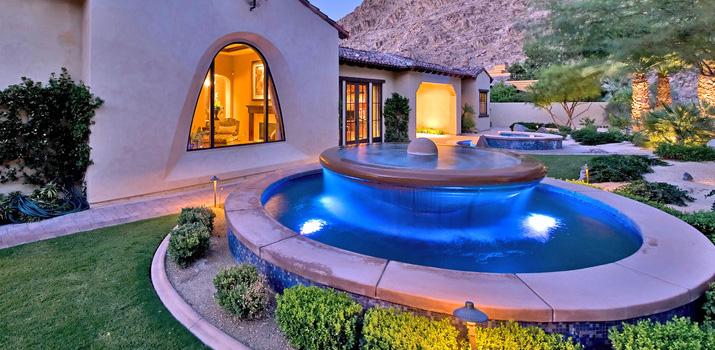
Watering is one part of a healthy outdoor space. The right planter, shade structure, fountain or architectural feature can influence heat, airflow and how quickly nearby soil dries. Porous terracotta may need more frequent attention than glazed ceramic, while large planters can protect roots from rapid temperature changes.
Furniture and decorative pieces also shape how people use a garden. If timber interests you, this overview of mahogany furniture history offers useful context for choosing classic materials that complement an outdoor living area.
At In The Garden, Houston-area gardeners can explore plants, herbs, planters, fountains, statuary and locally made pieces suited to a welcoming landscape. Browse In The Garden for inspiration, then pair your selections with an early-morning watering schedule that supports healthy roots and a more resilient garden.
Our Work
From cast iron fence posts and ornamental ironwork to European and domestic planters, urns, pedestals, and bird baths, In The Garden curates distinctive garden décor in both vintage and new pieces. The inventory is varied, eclectic, and ever changing, with over 35 years of green-industry experience behind the selections.
Browse our specialty plants & herbs, explore free-standing and lawn water fountains, or relax into a new patio set on view at the Spring Branch location.
Visit Our Spring Branch Nursery
Stop by 1405 Cedar Post Lane, Houston, TX 77055 — just off I-10 (Katy Freeway) at Blalock — to see what's in bloom today.
What We Carry
- Specialty plants & herbs
- Decorative accessories & statuary
- Planters, urns & pedestals
- Free-standing & lawn fountains
- Bird baths & garden accents
- Ornamental iron & cast iron fence posts
- Patio furniture
- Original art from local artists