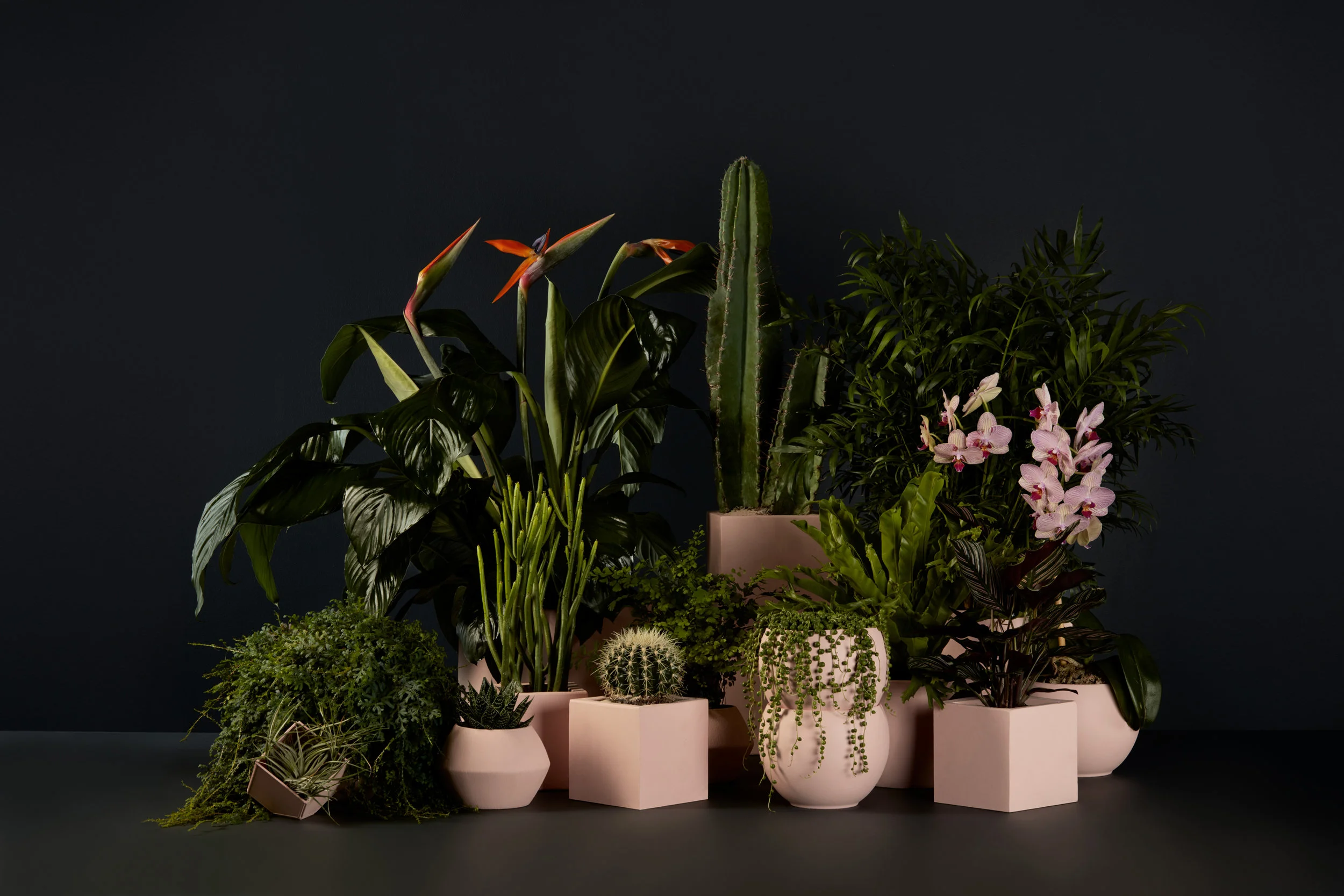
Serving Spring Branch and surrounding Houston neighborhoods since 1999. In The Garden is a hidden treasure for specialty plants, fountains, patio furniture, and one-of-a-kind garden accents.
A Spring Branch Original
Founded by Frank and Suzan Galvan, In The Garden grew from a landscaping enterprise and a warehouse full of unusual finds into a half-acre retail destination just off I-10 at Blalock.
The result is an eclectic, ever-changing mix of specialty plants, herbs, planters, fountains, statuary, patio furniture, and original art from local artists.

Caring for ferns in Houston’s humidity and shade
Ferns can thrive in Houston when their growing conditions are balanced rather than simply kept wet. Warm air, frequent rain and filtered light suit many varieties, yet heavy clay soil, stagnant corners and intense summer heat can quickly cause yellow fronds or root problems.
For gardeners in Australia, the same principles apply across humid Brisbane, coastal New South Wales and tropical parts of Queensland, although local water restrictions and sharper summer sun may change your routine. Think of a fern as a leafy companion for a shaded verandah, covered patio or backyard courtyard, not a plant that belongs in a permanently soggy pot.
Read the light and moisture in your space
Bright, indirect light is usually ideal. A north-facing Houston patio may need a shade cloth or placement beneath a tree, while a sheltered Brisbane verandah can offer the right filtered light naturally. In Sydney or Melbourne, morning sun is often gentler than afternoon exposure, so watch how shadows move before choosing a permanent position.
Humidity helps fronds stay lush, but dampness around the roots is a separate matter. Feel the top two centimetres of potting mix before watering. If it feels slightly dry, water thoroughly until excess drains away; if it is still moist, wait another day or two.
Select a fern suited to the setting
Boston fern, bird’s nest fern, maidenhair fern and rabbit’s foot fern each respond differently to household and garden conditions. Boston ferns appreciate consistent moisture and humid air, while bird’s nest ferns are more forgiving when watering is occasionally delayed. Maidenhair ferns look delicate because they are delicate, and they dislike drying out.
For a Houston shade garden, choose plants with firm, evenly coloured fronds and no webbing or brown scale. Australian shoppers may find similar choices through specialist nurseries, garden centres and larger chains such as Bunnings, but a local independent nursery can provide better advice for a particular microclimate.
Build a breathable root environment
Use a loose, moisture-retentive mix containing coir or peat-free organic material, compost and perlite, pine bark or another coarse ingredient. The mix should hold enough water for the roots without turning into mud. Never rely on a decorative cachepot to provide drainage; the growing pot needs open holes.
Repot when roots circle densely, water runs straight through the sides or the plant dries out unusually fast. Move up only one pot size. An oversized container stays wet for too long, especially during Houston’s rainy periods or in a cool Melbourne winter. For displays, place the nursery pot inside a decorative planter and lift it out for watering.
Match care to the season
Ferns often need more frequent checks during hot weather, but a fixed watering calendar is less reliable than observing the potting mix. Air conditioning can dry indoor plants, while a covered outdoor area may remain humid but receive little rain. Grouping several plants together can gently raise local humidity without keeping every frond wet.
| Growing condition | What to monitor | Helpful adjustment |
|---|---|---|
| Covered patio | Dry mix and crisp frond edges | Water deeply and group plants |
| Open, rainy position | Waterlogged roots | Raise pots and improve drainage |
| Indoor air conditioning | Browning tips and dusty fronds | Move away from vents and rinse foliage |
| Bright filtered light | Pale or faded growth | Add sheer shade or move back |
| Dense shade | Slow growth and weak fronds | Shift closer to bright indirect light |
| Hot Australian summer | Rapid drying and heat stress | Check morning and evening, then shade from harsh afternoon sun |
Feed lightly during active growth with a diluted liquid fertiliser formulated for foliage plants. Too much fertiliser creates salt buildup and burnt leaf margins. Flush the pot with plain water every few months, especially when using rainwater, hard tap water or frequent liquid feeds.
Keep air moving and pests in check
Humidity should come with gentle airflow. Leave space between pots, trim dead fronds at their base and avoid placing a fern tightly against a wall. Good circulation reduces fungal spotting and allows foliage to dry naturally after misting or rainfall.
Inspect the undersides of fronds for scale, mealybugs, mites and small webs. Wipe affected leaves with a damp cloth, isolate the plant and use a suitable horticultural soap according to its label. Avoid polishing products on fern foliage. If you are maintaining a shaded entertaining area, advice on humid summer furniture care can also help protect the surrounding outdoor setting.
Style a fern-friendly outdoor corner
Ferns soften hard surfaces beautifully when placed beside stone, timber, terracotta and aged metal. Use different heights rather than lining identical pots along a wall: a tall bird’s nest fern can anchor a corner, while smaller varieties fill a low planter or shelf. In Australia, this works particularly well beneath a verandah or beside an alfresco dining area.
Keep valuable furniture far enough from irrigation splash and use saucers that do not hold standing water. For a vintage timber setting, gentle maintenance matters; guidance on removing old wax is relevant when a fern display sits near carved or antique pieces. Add a locally made pot, sculpture or water feature for texture without crowding the plants.
Use simple routines that prevent setbacks
A short weekly inspection is more useful than occasional rescue work. Check moisture, lift the pot to judge its weight, remove damaged growth and turn the container so one side does not lean towards the light. During a heatwave, inspect more often; during cool, overcast weather, reduce watering.
- Place ferns in bright filtered light rather than deep darkness.
- Use pots with drainage holes and a loose, airy mix.
- Water when the surface begins to dry, then drain thoroughly.
- Keep plants away from heating, cooling and strong afternoon sun.
- Clean fronds gently to remove dust and reveal pests early.
- Feed sparingly during active growth.
- Quarantine new plants before grouping them with established ferns.
Ferns can also sit within a broader wildlife-friendly planting scheme. They do not provide the main nectar source for pollinators, but they create shelter and contrast beside flowering plants; these pollinator garden ideas can help you combine leafy shade plants with suitable blooms.
Refresh the display through the year
Replace tired top dressing, clean containers and divide crowded ferns when growth becomes congested. In Houston, protect delicate plants from occasional cold snaps by moving containers beneath cover. In frost-prone parts of Australia, bring tender ferns indoors or into a greenhouse when temperatures fall, while tropical Queensland gardeners may focus more on drainage during prolonged rain.
A healthy fern is also a thoughtful housewarming or host gift for someone with a shady balcony. Pair it with a well-drained planter and simple care notes rather than treating it as a short-lived seasonal decoration. For gift inspiration beyond plants, browse this guide to last-minute garden gifts.
Choose a fern, planter or outdoor accent that suits your available light, then give it a stable position and observe how it responds. Visit In The Garden for specialist plants, containers, garden décor and practical guidance suited to humid outdoor living.
Our Work
From cast iron fence posts and ornamental ironwork to European and domestic planters, urns, pedestals, and bird baths, In The Garden curates distinctive garden décor in both vintage and new pieces. The inventory is varied, eclectic, and ever changing, with over 35 years of green-industry experience behind the selections.
Browse our specialty plants & herbs, explore free-standing and lawn water fountains, or relax into a new patio set on view at the Spring Branch location.
Visit Our Spring Branch Nursery
Stop by 1405 Cedar Post Lane, Houston, TX 77055 — just off I-10 (Katy Freeway) at Blalock — to see what's in bloom today.
What We Carry
- Specialty plants & herbs
- Decorative accessories & statuary
- Planters, urns & pedestals
- Free-standing & lawn fountains
- Bird baths & garden accents
- Ornamental iron & cast iron fence posts
- Patio furniture
- Original art from local artists