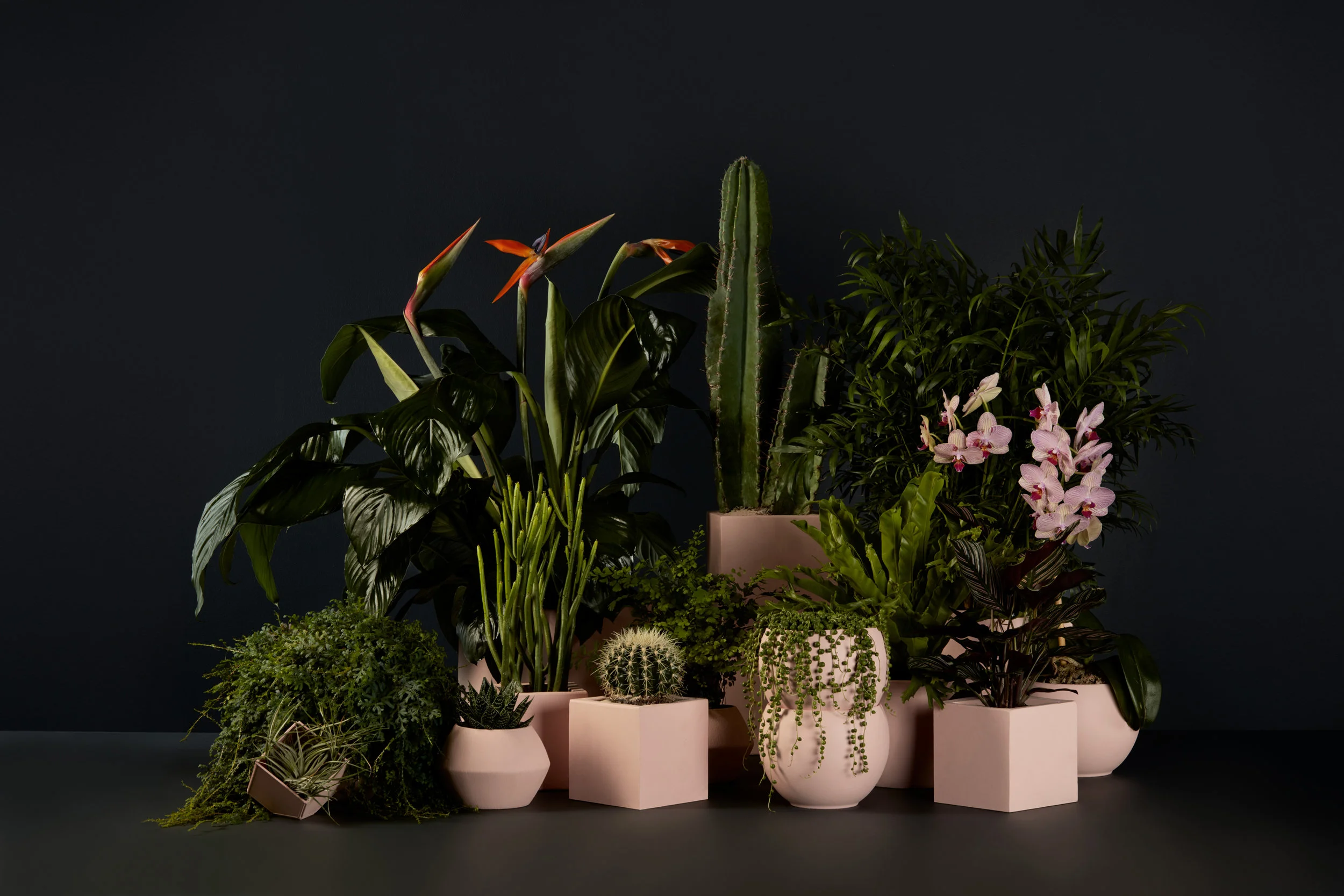
Serving Spring Branch and surrounding Houston neighborhoods since 1999. In The Garden is a hidden treasure for specialty plants, fountains, patio furniture, and one-of-a-kind garden accents.
A Spring Branch Original
Founded by Frank and Suzan Galvan, In The Garden grew from a landscaping enterprise and a warehouse full of unusual finds into a half-acre retail destination just off I-10 at Blalock.
The result is an eclectic, ever-changing mix of specialty plants, herbs, planters, fountains, statuary, patio furniture, and original art from local artists.
Choosing Cactus and Succulents for Outdoor Houston Gardens
Cactus and succulents bring sculptural form, low-water planting and year-round interest to patios, courtyards and garden beds. In Houston, however, choosing the right variety involves more than finding a plant labelled “drought tolerant”. Heat, humidity, heavy rain, poor drainage and occasional cold snaps all affect how these plants perform outdoors.
Australian gardeners will recognise some of the principles from growing in places such as Brisbane, Perth or Adelaide, but Houston has its own combination of Gulf Coast moisture and summer heat. The best results come from matching each plant to its position, soil and watering pattern rather than treating every succulent as a desert plant.
Read Houston’s growing conditions
Houston summers are long, hot and humid, with intense sun followed by sudden thunderstorms. A cactus that thrives in a dry inland garden may struggle when its roots stay wet for days. Air movement is important too, particularly in enclosed courtyards or against warm brick walls.
Winter is another consideration. Houston can experience brief freezes, even though most of the year feels subtropical. Hardy landscaping plants should be able to cope with occasional cold, while tender specimens may need a sheltered position or protection during a frost warning.
For Australian readers, this differs from the predictable dryness of much of Perth or the seasonal humidity of Brisbane. Think about your own microclimate in the same way: a sunny Melbourne balcony, a coastal Sydney courtyard and a tropical Darwin garden each require different plant choices.
Match the plant to the light
Full sun is ideal for many agaves, barrel cacti, prickly pears and colourful sedums, but newly planted specimens need time to acclimatise. Morning sun with light afternoon protection can be a safer position for soft-leaved echeverias, certain aloes and plants recently moved from a shaded nursery bench.
Watch the way sunlight changes across the seasons. A spot that receives gentle winter light may become fiercely hot beside a west-facing wall in July. Use nearby trees, pergolas and buildings to create filtered shade without placing the plants where rain cannot dry from their leaves.
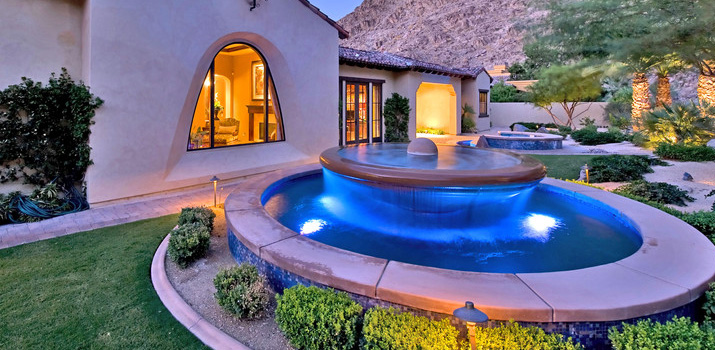
Outdoor styling also matters. Low bowls, raised planters and decorative pots can make a collection feel intentional rather than scattered. In The Garden’s outdoor accessories can help combine containers, ornaments and planting so the display suits a porch, pool area or entertaining space.
Choose reliable varieties
Start with plants that tolerate Houston’s heat and occasional wet weather. Agave, aloe, kalanchoe, sedum, yucca, prickly pear and many haworthias offer useful options, although each has different light and cold requirements. Native or regionally adapted selections are especially valuable in beds exposed to summer storms.
Cacti with strong drainage needs often perform best in raised beds or containers. Look for firm stems, clean foliage and roots that are not circling in saturated soil. Avoid plants with soft patches, blackened bases or stretched growth, which can indicate rot, poor light or inconsistent care.
Useful plant characteristics to look for
- Thick, firm leaves that store water
- A mature size suited to the available space
- Cold tolerance appropriate for Houston winters
- A shape that complements nearby grasses, shrubs or paving
- Healthy roots without a sour smell or mushy tissue
Build drainage into the design
Good drainage begins below the plant. Loosen compacted ground, incorporate mineral material where appropriate and position succulents slightly above surrounding soil so stormwater can move away from the crown. In containers, always use drainage holes and avoid placing a saucer where it remains full after rain.
A specialist cactus mix can work well in pots, while garden beds may need amendment with materials that improve structure rather than simply making the soil lighter. Do not create a small pocket of gritty soil in heavy clay and assume the problem is solved; water can still collect around that pocket.
For Australian gardeners, this is familiar advice in areas with summer downpours or heavy clay, such as parts of coastal Queensland and New South Wales. Raised troughs, gravel gardens and free-draining mounds are often more dependable than planting directly into a flat, waterlogged patch.
Water with restraint and timing
New plants require regular watering while roots establish, but established succulents usually prefer a thorough soak followed by a period of drying. In Houston, check the soil rather than relying on a fixed calendar. Several days of rain may remove the need for irrigation, while a hot spell can dry a shallow container quickly.
Water at the base in the morning when possible. This gives leaves and crowns time to dry and reduces the chance of fungal problems. Drip irrigation or a narrow watering wand is more precise than frequent sprinkling, especially in a mixed border containing plants with different needs.
Simple watering checks
- Press a finger into the soil before watering small containers
- Lift pots to compare their weight when dry and hydrated
- Delay irrigation after substantial rainfall
- Water deeply instead of giving frequent surface splashes
- Inspect the crown and lower leaves for signs of rot
Create shade without losing character
Light shade can protect sensitive succulents from scorching, particularly during Houston’s harshest afternoon temperatures. A pergola, open tree canopy or shade cloth can reduce stress while still allowing enough brightness to preserve compact growth and strong colour.
Shade should not become stagnant shelter. Leave space between containers, prune congested plants and avoid positioning them directly beneath dripping air-conditioning units or dense foliage. Houston’s humidity makes airflow just as important as light.
A layered planting scheme can provide natural protection: taller yuccas or ornamental grasses at the rear, medium aloes in the middle and low sedums or echeverias at the front. For a detailed approach to combining cooling cover with attractive planting, explore this shade garden guide.
Use pots, texture and contrast
Containers are a practical choice when soil drainage is uncertain or when tender plants need to move under cover. Terracotta allows moisture to evaporate more quickly, while glazed ceramic and concrete retain moisture for longer. Choose the material according to the plant and the position, not just the colour.
Mixing textures creates a stronger outdoor composition. Spiky agaves contrast with rounded barrel cacti, while trailing sedums soften the edge of a large planter. Decorative stone, timber, metal and locally made art can connect the planting to the wider patio design.
Architectural details can give a succulent display a collected, established feel. A weathered plinth or vintage-inspired feature may suit a formal courtyard, much like the craftsmanship shown in this guide to late-19th-century bedroom suites, while simple gravel and weathered pots work beautifully in a relaxed Australian-style garden.
Plan for maintenance and safety
Allow enough room for mature plants, especially agaves and prickly pears that develop sharp spines or broad offsets. Keep thorny specimens away from narrow paths, children’s play areas and entertaining zones. Wear gloves and eye protection when pruning, repotting or removing pups.
Seasonal care is straightforward when plants are chosen well. Remove damaged leaves, clear fallen debris from the crown and inspect for mealybugs, scale and fungal damage. During an unusual freeze, cover vulnerable plants with breathable fabric and move small containers to a sheltered porch or garage.
Visit In The Garden for plants, planters and practical guidance suited to Houston’s outdoor conditions. Choose a few well-matched specimens, give them excellent drainage and place them where their forms can be enjoyed every day.
Our Work
From cast iron fence posts and ornamental ironwork to European and domestic planters, urns, pedestals, and bird baths, In The Garden curates distinctive garden décor in both vintage and new pieces. The inventory is varied, eclectic, and ever changing, with over 35 years of green-industry experience behind the selections.
Browse our specialty plants & herbs, explore free-standing and lawn water fountains, or relax into a new patio set on view at the Spring Branch location.
Visit Our Spring Branch Nursery
Stop by 1405 Cedar Post Lane, Houston, TX 77055 — just off I-10 (Katy Freeway) at Blalock — to see what's in bloom today.
What We Carry
- Specialty plants & herbs
- Decorative accessories & statuary
- Planters, urns & pedestals
- Free-standing & lawn fountains
- Bird baths & garden accents
- Ornamental iron & cast iron fence posts
- Patio furniture
- Original art from local artists