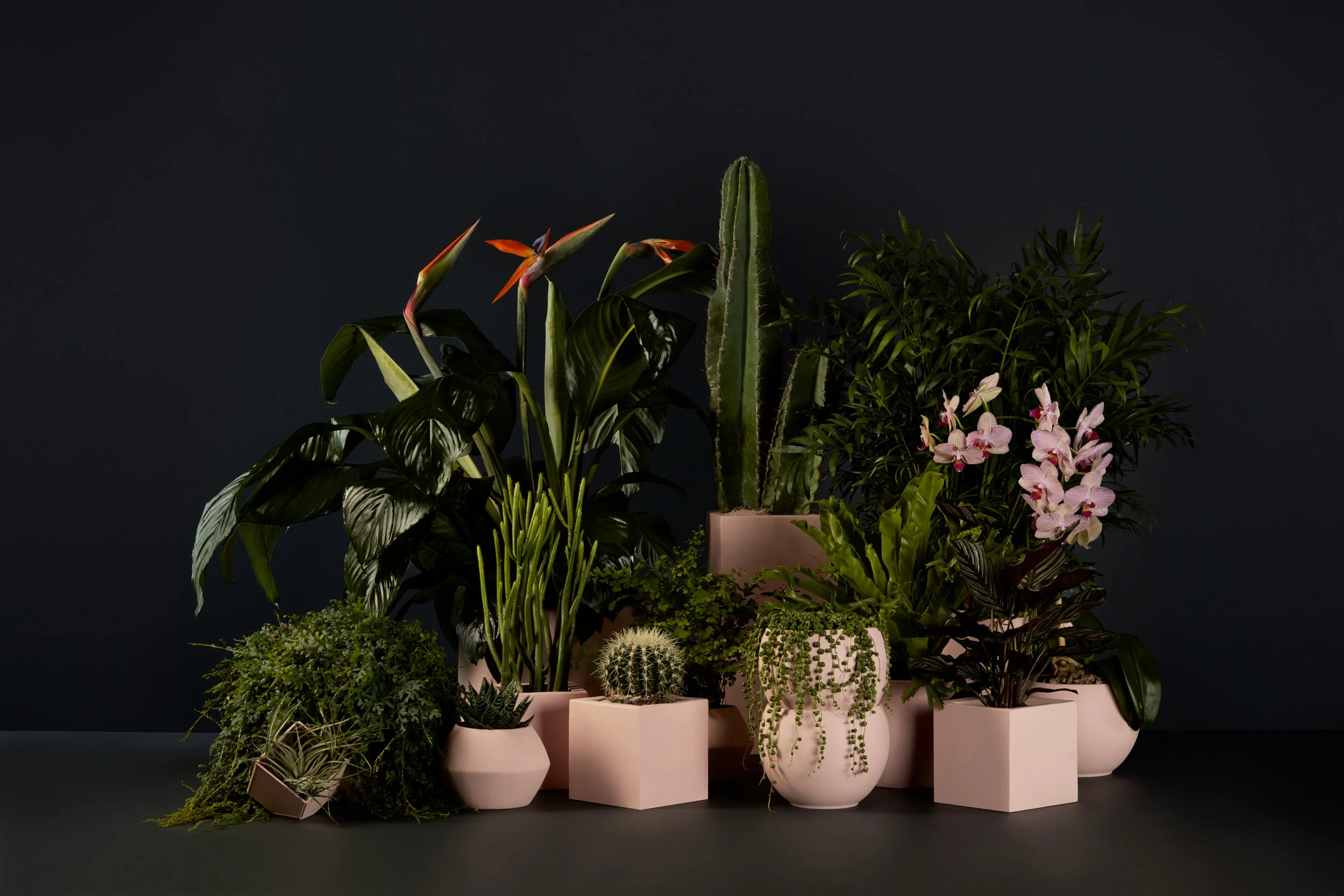
Serving Spring Branch and surrounding Houston neighborhoods since 1999. In The Garden is a hidden treasure for specialty plants, fountains, patio furniture, and one-of-a-kind garden accents.
A Spring Branch Original
Founded by Frank and Suzan Galvan, In The Garden grew from a landscaping enterprise and a warehouse full of unusual finds into a half-acre retail destination just off I-10 at Blalock.
The result is an eclectic, ever-changing mix of specialty plants, herbs, planters, fountains, statuary, patio furniture, and original art from local artists.
Raised Garden Beds and the Challenge of Houston's Dense Soil
Houston's gumbo clay is notorious among gardeners. The blackish, sticky earth that defines much of the region swells when saturated and bakes into concrete-like hardness during dry spells. For anyone trying to grow vegetables, herbs, or flowering perennials, that texture is the single biggest obstacle to success. Building up rather than digging in offers a way around the problem. Raised garden beds lift the root zone above the native ground, giving plants the loose, well-aerated medium they need while sidestepping the worst of the local clay.
Australians who have encountered similar struggles with compacted earth around newer housing estates in suburban Sydney, Melbourne's western growth corridors, or the heavy alluvial patches near Brisbane will recognise the same frustration. The fix, however, is universally practical. Elevated planting frames transform difficult ground into productive growing space, and they do so with benefits that go well beyond simple drainage.
Drainage That Defies the Clay
Houston's heavy soils drain slowly, leaving roots sitting in water after even modest rainfall. A bed that sits a foot or more above grade changes that equation entirely. Water moves downward through the loose fill and exits through the bottom, while the surrounding clay acts as a moisture reservoir that the bed can draw on during dry weeks. The result is a consistent moisture level that suits most vegetables and ornamentals.
The same principle applies across the Pacific. In Adelaide's clay-belt suburbs and parts of greater Perth where reactive soils crack in summer and swell in winter, gardeners frequently build up rather than dig down. Using quality planters and containers from a reliable supplier can replicate this effect on patios and balconies, where ground space is limited but the appetite for homegrown produce is not.
Soil You Actually Control
Native ground in southeast Texas often tests high in alkalinity and salts, and it lacks the organic content that most cultivated plants prefer. A raised bed lets the gardener start fresh, blending compost, screened topsoil, and coarse sand into a tailored mix. pH can be adjusted with sulphur or lime, and the bed can be replenished each season without tilling the surrounding yard.
For Australian growers, the parallel is straightforward. Council verge gardens in cities such as Canberra and Hobart are often constructed as raised boxes partly to comply with local rules about imported materials and partly to keep plant roots away from reactive subsoils. The same logic explains the popularity of corrugated steel beds stocked at Bunnings Warehouse and at independent nurseries throughout the country.
Comfort for the Gardener
Bending, kneeling, and squatting take a toll on knees and lower backs, particularly during the long growing seasons that Houston's mild winters allow. A bed raised to waist or counter height turns most tasks into standing work. Weeding, pruning, and harvesting become quicker, and gardeners tend to spend more time tending their plots when the physical strain is reduced.
The same appeal drives older Australian gardeners in suburbs around Brisbane's bayside and Melbourne's inner east to choose elevated frames. Pairing a raised bed with comfortable outdoor seating turns routine watering into a relaxing ritual, especially during warm summer evenings when the garden becomes a second living room.
Longer Harvest Windows
Houston's climate rarely delivers a hard freeze, but summer heat pushes many familiar vegetables past their productive range. A raised bed warms earlier in spring and drains faster after storms, which means earlier planting of cool-season crops like lettuce, kale, and radishes. Conversely, a layer of mulch and shade cloth over the bed can keep roots cooler through July and August.
In Australia, growers in Sydney's coastal fringe face similar timing challenges, though for opposite reasons. Raised beds there drain quickly during summer downpours and warm up earlier than in-ground plots after a chilly winter, allowing an extended spring and autumn harvest that rewards careful planning. Local water restrictions during drought also make the efficient drainage of elevated beds a genuine asset rather than a curiosity.
Design That Doubles as Décor
Raised beds need not look utilitarian. Cedar, recycled timber, stone, or corrugated metal can match the style of the surrounding landscape, and the geometric lines of a well-built frame anchor the visual composition of a backyard. Trellises and obelisks rising from the bed add vertical interest, while integrated seating transforms the edge into a bench.
Decorative architectural pieces can be worked into the design as focal features, lending the garden a finished, curated feel. For those drawn to a softer aesthetic, pairing raised beds with vintage garden accents creates a layered look that feels established rather than newly built.
Pairing Raised Beds with Wildlife-Friendly Plantings
The edges of raised beds offer prime real estate for flowering perennials that attract pollinators. Native species suited to Houston, including salvias, lantanas, and black-eyed Susans, bring in bees, butterflies, and hummingbirds, which in turn support nearby fruiting crops. Planning the surrounding border as much as the bed interior pays off across the seasons.
Growers south of the equator can take a similar approach with Australian natives, and pairing nectar-friendly perennials creates a layered habitat that benefits the entire garden. In Brisbane and Perth, blending edible beds with grevilleas and callistemons extends the flowering window well into the dry months, while also satisfying council guidelines that increasingly encourage pollinator plantings in new developments.
Building a Bed That Lasts
A few practical choices determine whether a raised bed rewards its builder for a single season or for a decade. Material selection matters first, because Houston's humidity and Australia's coastal salt air both punish anything that cannot shed moisture or resist corrosion. Construction style matters next, since a poorly anchored frame will bow outward as the soil expands and contracts through wet and dry cycles. Finally, the ongoing care of the soil inside the frame matters as much as the frame itself.
- Choose rot-resistant materials such as cedar, hardwood, or galvanised steel, and avoid treated lumber that may leach chemicals into root zones.
- Site the bed where it receives at least six hours of direct sun, ideally with a slight slope or drainage channel nearby to carry away runoff.
- Fill with a mix of roughly 60 percent screened topsoil, 30 percent compost, and 10 percent coarse sand or perlite for long-term texture.
- Line the bottom with hardware cloth if burrowing rodents are a problem, and top-dress with two to three inches of mulch to moderate temperature and moisture.
- Refresh the top six inches of soil each autumn with compost and a balanced organic fertiliser to replace nutrients lost during the growing season.
- Install drip irrigation or soaker hoses on a timer, since raised beds dry out faster than in-ground plots, especially during Houston's humid summers or Perth's dry ones.
- Leave gaps between boards to allow airflow, which reduces mildew and extends the life of wooden frames in muggy conditions.
Set the frame directly on cleared earth rather than on concrete, because soil contact allows worms and microbes to move in from below. Resist the urge to walk inside the bed, since the loose fill compacts easily, and a defined path beside the frame keeps the soil structure intact over time.
Browse the full range of raised bed kits, soil amendments, and planters at In The Garden, and start building the elevated growing space that your soil has been waiting for.
Our Work
From cast iron fence posts and ornamental ironwork to European and domestic planters, urns, pedestals, and bird baths, In The Garden curates distinctive garden décor in both vintage and new pieces. The inventory is varied, eclectic, and ever changing, with over 35 years of green-industry experience behind the selections.
Browse our specialty plants & herbs, explore free-standing and lawn water fountains, or relax into a new patio set on view at the Spring Branch location.
Visit Our Spring Branch Nursery
Stop by 1405 Cedar Post Lane, Houston, TX 77055 — just off I-10 (Katy Freeway) at Blalock — to see what's in bloom today.
What We Carry
- Specialty plants & herbs
- Decorative accessories & statuary
- Planters, urns & pedestals
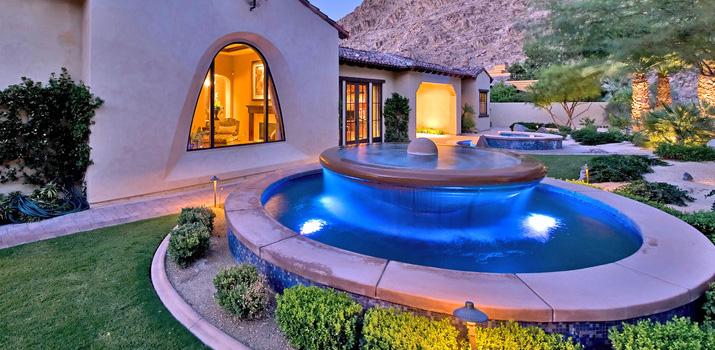
- Free-standing & lawn fountains
- Bird baths & garden accents
- Ornamental iron & cast iron fence posts
- Patio furniture
- Original art from local artists