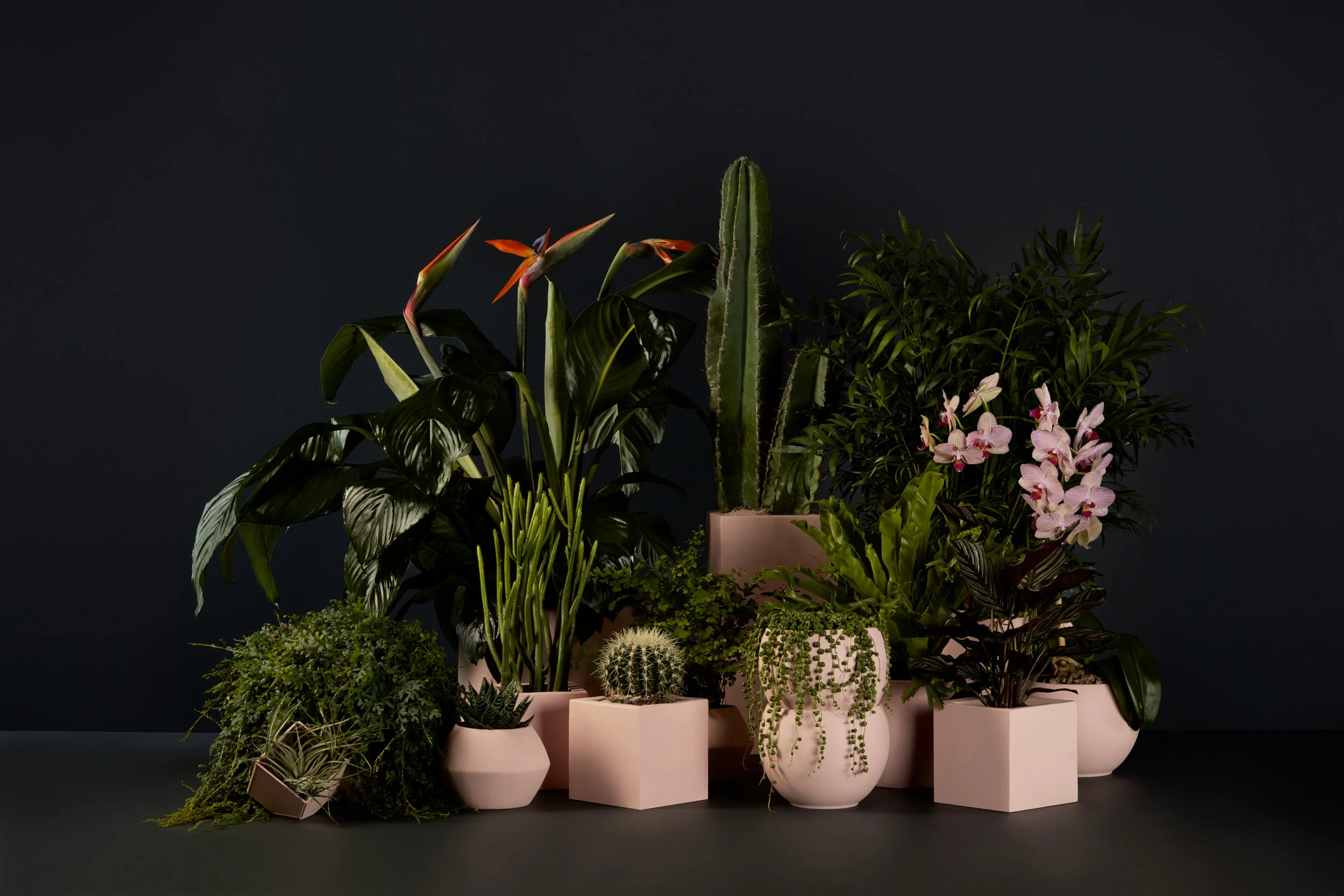
Serving Spring Branch and surrounding Houston neighborhoods since 1999. In The Garden is a hidden treasure for specialty plants, fountains, patio furniture, and one-of-a-kind garden accents.
A Spring Branch Original
Founded by Frank and Suzan Galvan, In The Garden grew from a landscaping enterprise and a warehouse full of unusual finds into a half-acre retail destination just off I-10 at Blalock.
The result is an eclectic, ever-changing mix of specialty plants, herbs, planters, fountains, statuary, patio furniture, and original art from local artists.
Low-Water Ground Covers for Houston-Style Lawn Spaces
A thirsty lawn can be difficult to maintain in hot, humid climates. Replacing part of the turf with spreading plants reduces mowing, limits irrigation and creates a softer transition between patios, paths, trees and garden beds. The best choices are resilient once established, suited to the site’s light and able to cope with occasional dry spells. Learn more about The History Of The Modesty Panel On Antique Desks.
For Australian gardeners, the same approach works in very different conditions. A courtyard in Brisbane may need humidity-tolerant plants, while a Melbourne garden may face cool winters and summer water restrictions. Perth’s sandy soil, Sydney’s coastal exposure and local council rules all influence which low-water ground cover will perform well.
Why Ground Covers Suit Hot Climates
Ground covers shade the soil surface, slowing evaporation and moderating root-zone temperatures. Dense planting also suppresses weeds, which is especially useful beneath trees or around outdoor entertaining areas where mowing is awkward.
Houston gardens must handle heat, heavy rainfall, humidity and periods of drought. Australia adds its own extremes, including extended dry weather, sandy soils and restrictions on watering with a hose or sprinkler. Select plants for their mature performance rather than choosing solely by appearance at the nursery.
Low-water does not mean no-water. New plants need regular irrigation while roots spread, then a gradual reduction in frequency. A thick layer of organic mulch helps, but keep mulch away from stems to prevent rot and pest problems.
Match Plants To Australian Conditions
Dichondra repens, sometimes called kidney weed, can create a soft green carpet in partly shaded Australian gardens. It is more suitable for low-traffic areas than active play spaces and may need extra moisture during prolonged heat. Native violet, Viola hederacea, offers a similar option for cool, sheltered positions.
For sunny, well-drained sites, creeping boobialla, Myoporum parvifolium, is a practical Australian native. It tolerates coastal conditions and dry periods once established. In Perth, it generally benefits from improved soil and occasional deep watering because free-draining sand loses moisture quickly.
Houston growers may also consider Asiatic jasmine, frogfruit and horseherb, depending on exposure and maintenance goals. Weather preparation should always reflect the region: the methods described in this guide to protect a greenhouse are designed for snow, but they illustrate the broader principle of matching plant protection to local extremes.
Tough Choices For Sunny Lawns
Frogfruit, Phyla nodiflora, is a useful warm-climate ground cover for sunny Houston gardens. It supports pollinators, spreads readily and handles periods of dryness after establishment. Its informal habit suits naturalistic planting, though edging may be needed if it begins moving beyond the intended area.
Asiatic jasmine forms a dense evergreen mat in warm regions and works well beneath trees or along broad borders. It prefers consistent moisture during establishment but becomes comparatively drought tolerant later. Trim it occasionally to maintain airflow and prevent a thick, tangled edge.
For Australian gardens, creeping boobialla and selected native sedges can provide a more locally adapted look. Always confirm whether a plant is appropriate for your state and property, as vigorous species may behave differently in coastal New South Wales, tropical Queensland or cooler southern districts.
Shade, Traffic, And Soil
Mondo grass and liriope are reliable choices for shaded Houston beds, particularly beneath established trees where turf becomes thin. They form tidy clumps rather than a fast carpet, making them easier to control around paths and architectural features. Their water needs are modest once mature, although deep tree roots can create strong competition.
Creeping thyme can suit sunny, sharply drained spaces, but it is less dependable in Houston’s humid conditions and may struggle in poorly drained clay. In Australia, it can perform well in cool-to-mild regions, especially between stepping stones where foot traffic is light.
Prepare compacted soil with compost, then check drainage before planting. Ground covers rarely solve standing-water problems; in those areas, use moisture-tolerant plants or improve the grade first. Leave enough space for mature spread so plants do not require constant cutting.
Design For Wildlife And Outdoor Living
A mixed planting is usually stronger than a single-species carpet. Combine a low, spreading plant with clumping grasses, herbs or small shrubs to create texture and reduce the risk of one pest or disease affecting the entire area. Frogfruit and native Australian ground covers can also contribute flowers and habitat for insects.
A butterfly-friendly garden needs more than one attractive flowering plant. The guidance on creating a butterfly haven highlights the value of shelter, nectar and host plants. Avoid broad-spectrum pesticides where possible, and allow a few fallen leaves to remain in less formal corners.
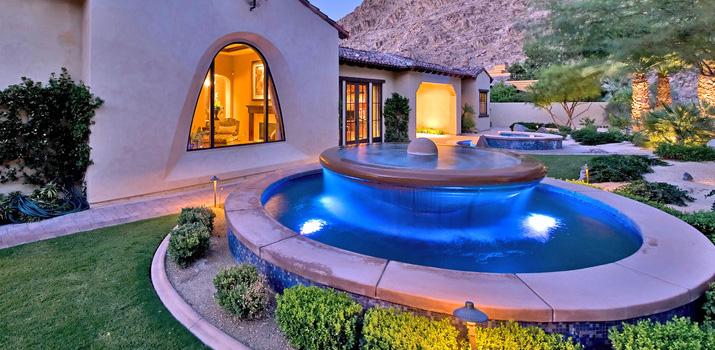
Ground covers can frame fountains, pots and seating areas without competing with the main feature. For planters, edging and decorative garden details, browse the nursery’s range of outdoor accessories. Architectural pieces can add structure in winter, while a carefully placed planting softens hard surfaces.
Compare Ground-Cover Options
The right choice depends on light, soil, rainfall and how much foot traffic the area receives. A plant labelled drought tolerant may still need regular water through its first summer, especially in a newly landscaped bed.
| Ground cover | Best light | Water after establishment | Useful for |
|---|---|---|---|
| Frogfruit | Full sun to light shade | Low to moderate | Pollinator areas and informal lawns |
| Asiatic jasmine | Part shade to sun | Low to moderate | Dense evergreen coverage |
| Mondo grass | Shade to part shade | Low to moderate | Under trees and along borders |
| Dichondra repens | Part shade to gentle sun | Moderate | Soft, low-traffic carpets |
| Creeping boobialla | Full sun | Low | Dry, coastal or free-draining sites |
| Liriope | Part shade to sun | Low | Tidy edging and mass planting |
When planning a shopping list, prioritise plants proven for your postcode rather than relying on generic online claims. A garden centre’s news section may include useful seasonal information alongside unrelated payment-related news, so check that advice comes from a horticultural source and reflects your local climate.
Planting And Ongoing Care
Install ground covers during a mild season when possible. Spring and autumn are often easier in southern Australia, while Houston planting can be successful in autumn or early spring before the harshest heat arrives. Space plants according to their mature width instead of placing them too closely for an instant effect.
Water slowly and deeply, then allow the surface to dry slightly between sessions where the plant permits. Use a moisture meter or check the soil with your finger rather than following a fixed calendar. Comply with local water restrictions, recycled-water rules and council requirements, which can change during drought conditions.
- Group plants with similar sunlight and irrigation needs.
- Improve drainage before installing drought-tolerant species.
- Mulch lightly to reduce evaporation and weed competition.
- Irrigate new plants deeply until roots are established.
- Keep paths and drains clear as spreading plants mature.
- Prune or edge vigorous ground covers before they invade turf.
- Choose pollinator-friendly plants and limit unnecessary pesticides.
A successful low-water lawn replacement should feel intentional, not sparse. Visit In The Garden in the Houston area for climate-aware planting guidance, specialty plants, planters and outdoor living pieces that can help turn a demanding lawn into a resilient, inviting garden space.
Our Work
From cast iron fence posts and ornamental ironwork to European and domestic planters, urns, pedestals, and bird baths, In The Garden curates distinctive garden décor in both vintage and new pieces. The inventory is varied, eclectic, and ever changing, with over 35 years of green-industry experience behind the selections.
Browse our specialty plants & herbs, explore free-standing and lawn water fountains, or relax into a new patio set on view at the Spring Branch location.
Visit Our Spring Branch Nursery
Stop by 1405 Cedar Post Lane, Houston, TX 77055 — just off I-10 (Katy Freeway) at Blalock — to see what's in bloom today.
What We Carry
- Specialty plants & herbs
- Decorative accessories & statuary
- Planters, urns & pedestals
- Free-standing & lawn fountains
- Bird baths & garden accents
- Ornamental iron & cast iron fence posts
- Patio furniture
- Original art from local artists