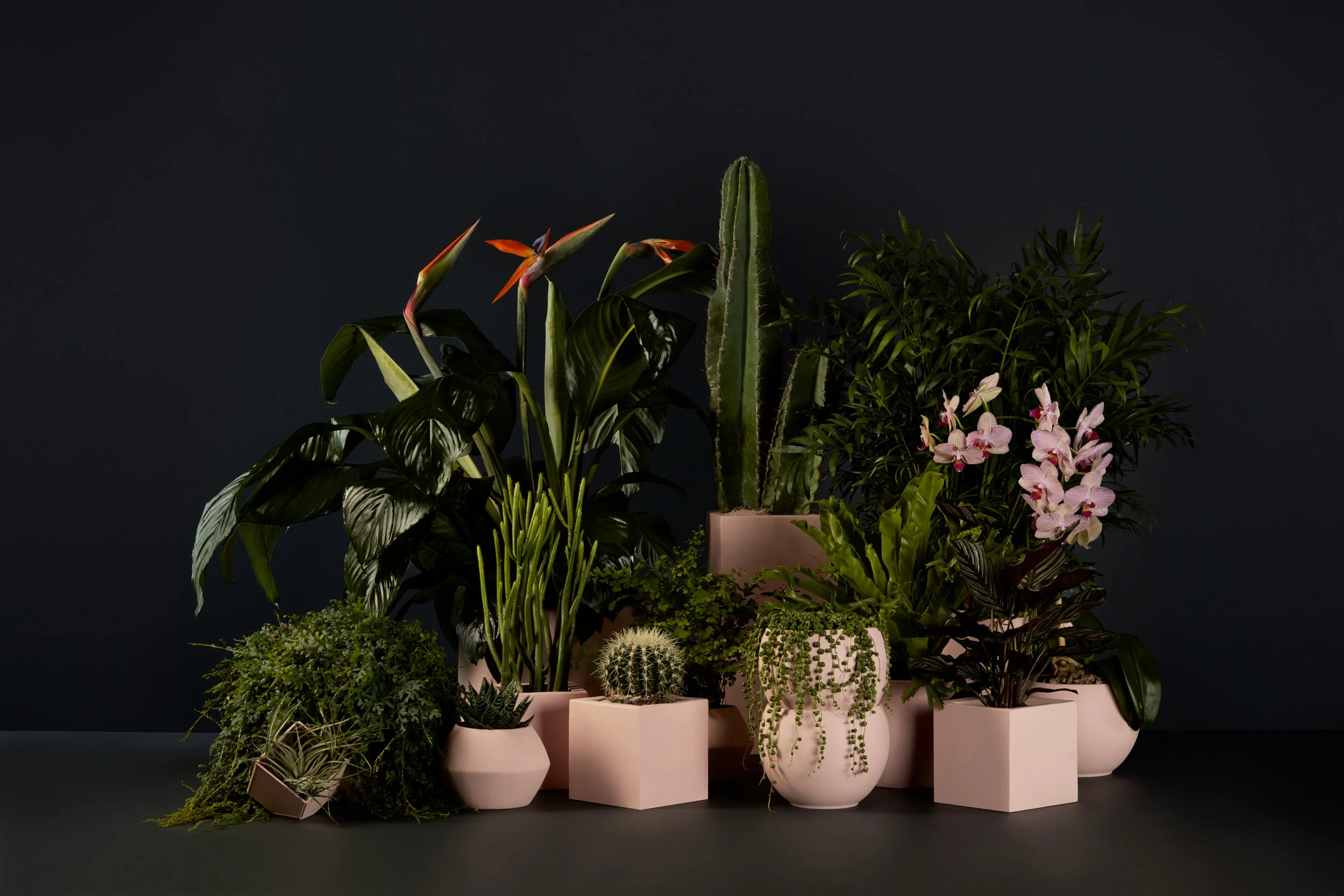
Serving Spring Branch and surrounding Houston neighborhoods since 1999. In The Garden is a hidden treasure for specialty plants, fountains, patio furniture, and one-of-a-kind garden accents.
A Spring Branch Original
Founded by Frank and Suzan Galvan, In The Garden grew from a landscaping enterprise and a warehouse full of unusual finds into a half-acre retail destination just off I-10 at Blalock.
The result is an eclectic, ever-changing mix of specialty plants, herbs, planters, fountains, statuary, patio furniture, and original art from local artists.
The Art of Using Varied Heights in Garden Design
A garden becomes more engaging when the eye can travel through several levels rather than stopping at one flat row of plants. Tall screens, mid-height foliage, low groundcovers, raised pots and sculptural features create rhythm, depth and a stronger sense of place.
This approach works in a sprawling Brisbane backyard, a narrow Sydney terrace or a Melbourne balcony. It also suits courtyards and commercial landscapes, where carefully arranged height can make a small area feel layered, private and generous.
Read The Garden’s Vertical Rhythm
Begin by studying what is already present. A mature tree, fence, retaining wall or neighbouring building may provide the highest point, while paving and lawn establish the lowest. The planting should connect these levels rather than compete with them.
Think in three broad zones: a canopy or backdrop, a middle layer and a ground layer. The upper zone might contain a crepe myrtle, citrus tree or slim native, while shrubs, ornamental grasses and flowering perennials occupy the middle. Creeping herbs, mulch and low foliage complete the base.
Varying heights should feel intentional, not jagged. Repeating a height or plant form in two or three places helps the composition feel balanced. A tall plant at each end of a path, for example, can frame the view without turning the garden into a wall.
Choose Plants For Layers And Scale
Plant mature dimensions matter more than the size of a nursery specimen. A small lilly pilly can eventually shade windows, lift paving or overwhelm a narrow passage. Check the expected height and spread before planting, and allow room for airflow around each specimen.
In an Australian garden, layering may include kangaroo paw, lomandra, westringia and bird of paradise, combined with taller screening plants suited to the region. In warmer areas, herbs and heat-tolerant perennials can soften hard edges. For a broader plant search, explore these garden plant options and compare their mature forms with species available from Australian nurseries.
Seasonal change also affects perceived height. Deciduous trees reveal structure in winter, flowering stems add temporary vertical accents, and evergreen shrubs maintain the framework year-round. A garden should still have visual shape when annual colour fades.
Use Containers To Add Movable Height
Planters are among the easiest ways to introduce different levels without excavation. A tall urn beside a doorway, a raised trough along a balcony edge or a collection of low pots around a seat can create a more intricate profile.
For Sydney and Melbourne apartments, lightweight fibreglass or composite containers may be safer than heavy concrete on balconies. Strata rules can also affect balcony loads, screening and irrigation, so check building requirements before installing a large planter wall.
Group containers in odd numbers and vary their widths as well as their heights. Place the tallest vessel toward the back, medium pots in the centre and low bowls near the front. Repeating one material, such as terracotta or powder-coated metal, keeps the display cohesive.
Shape Height With Pruning And Structure
Pruning is a design tool, not simply maintenance. Removing lower branches from a small tree can create a clear trunk and open sightlines beneath the canopy. Lightly shaping shrubs can reveal a fountain, statue or architectural feature that would otherwise disappear.
Flowering plants need pruning at the right time for their climate and growth cycle. This guide to pruning roses explains how selective cuts can improve form as well as flowering. Avoid trimming every plant into identical blocks; contrast between clipped, airy and naturally arching shapes creates greater interest.
Structures can provide height while plants establish. Obelisks, trellises, pergolas and screens support climbers and define outdoor rooms. In a rental or temporary display, freestanding frames and tall pots offer similar benefits without permanent construction.
Balance Privacy, Light And Water
A tall screen can make a courtyard private, but dense planting may reduce light and restrict airflow. Place screening where it blocks an unwanted view, then step the planting down toward paths and seating areas. This creates privacy without making the space feel enclosed.
Water availability should influence the vertical design. Many Australian households are conscious of water restrictions, particularly during dry periods in regions such as Adelaide, Perth and parts of Queensland. Group plants with similar irrigation needs, mulch exposed soil and avoid placing thirsty species beneath large trees where they compete for moisture.
Tall plants also cast moving shadows. Watch the garden throughout the day before positioning sun-loving herbs, vegetables or flowering plants. A layered garden succeeds when every level receives enough light to remain healthy.
Work With Climate And Local Rules
Regional conditions should guide plant selection. Coastal gardens may need salt-tolerant species and wind protection, while inland sites can require frost resistance and excellent soil preparation. In bushfire-prone areas, consult local guidance on defensible space, plant flammability and clearance around buildings before creating dense screens.
Bamboo illustrates why height and spread must be considered together. Running varieties can travel beyond their intended area, while clumping types are generally easier to manage; these bamboo care notes offer useful principles for controlling vigorous growth.
Local councils may regulate front-yard structures, boundary screens, significant tree removal and stormwater changes. Before adding a tall pergola, masonry planter or permanent privacy screen, check the rules that apply to your suburb.
Build A Layered Plan That Lasts
A successful design balances immediate impact with long-term maintenance. Use temporary annuals and smaller pots to fill gaps while trees and shrubs mature, but avoid buying plants solely because they look impressive at the nursery. Their eventual height, root behaviour and pruning needs determine whether the arrangement will remain practical.
Native planting can provide texture, habitat and resilience when matched to the local conditions. For ideas that demonstrate how regional species can shape a landscape, review these native landscape plants, then seek comparable Australian species from a reputable local grower.
Practical Choices For Stronger Vertical Design
- Measure the garden, balcony or courtyard before selecting tall plants or heavy containers.
- Choose one dominant upper layer, then support it with two or three lower levels.
- Repeat colours, foliage shapes or materials to connect separate height groups.
- Keep paths, windows and seating areas clear of aggressive or fast-spreading growth.
- Match plants with similar sunlight, soil and watering requirements.
- Use trellises, screens and sculptural pieces to add height before plants mature.
- Check council, strata and bushfire requirements before installing permanent structures.
Visit In The Garden for plants, planters, fountains, statuary and outdoor pieces that can help turn these layers into a cohesive setting. Bring a rough sketch or photograph of your space and begin building a garden where every level contributes to the view.
Our Work
From cast iron fence posts and ornamental ironwork to European and domestic planters, urns, pedestals, and bird baths, In The Garden curates distinctive garden décor in both vintage and new pieces. The inventory is varied, eclectic, and ever changing, with over 35 years of green-industry experience behind the selections.
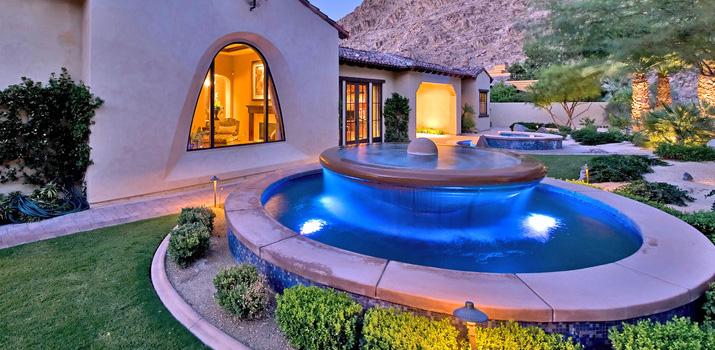
Browse our specialty plants & herbs, explore free-standing and lawn water fountains, or relax into a new patio set on view at the Spring Branch location.
Visit Our Spring Branch Nursery
Stop by 1405 Cedar Post Lane, Houston, TX 77055 — just off I-10 (Katy Freeway) at Blalock — to see what's in bloom today.
What We Carry
- Specialty plants & herbs
- Decorative accessories & statuary
- Planters, urns & pedestals
- Free-standing & lawn fountains
- Bird baths & garden accents
- Ornamental iron & cast iron fence posts
- Patio furniture
- Original art from local artists