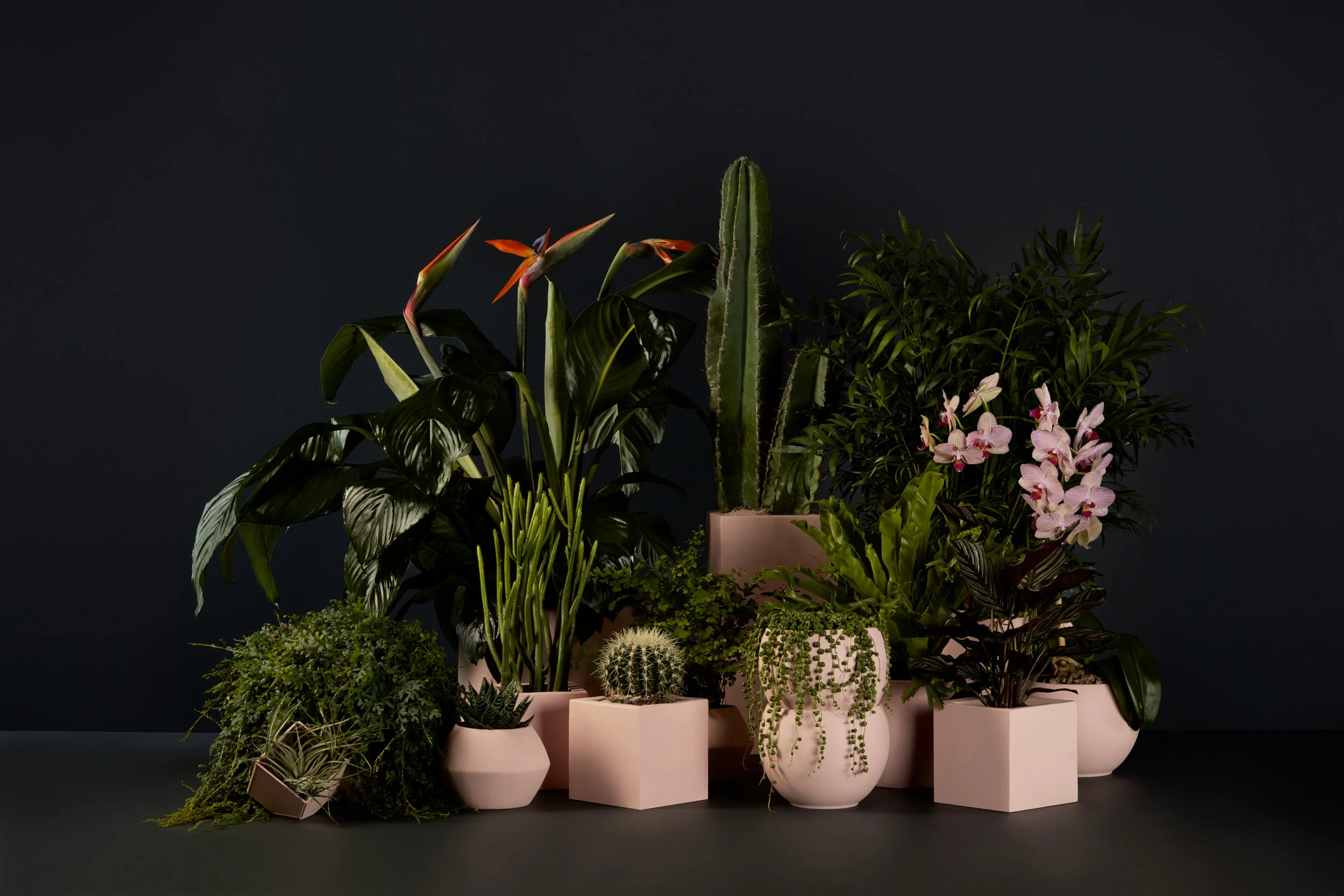
Serving Spring Branch and surrounding Houston neighborhoods since 1999. In The Garden is a hidden treasure for specialty plants, fountains, patio furniture, and one-of-a-kind garden accents.
A Spring Branch Original
Founded by Frank and Suzan Galvan, In The Garden grew from a landscaping enterprise and a warehouse full of unusual finds into a half-acre retail destination just off I-10 at Blalock.
The result is an eclectic, ever-changing mix of specialty plants, herbs, planters, fountains, statuary, patio furniture, and original art from local artists.
Finding the Right Mulch for Houston's Heavy Clay Soil
Gardening in Houston presents a distinctive set of challenges that resonate with gardeners halfway across the globe in places like western Sydney or the clay-heavy outer suburbs of Melbourne. The region's heavy clay soil, notorious for compacting and shedding water, demands thoughtful intervention to support healthy plant growth. Mulching stands out as one of the most effective practices a gardener can adopt, yet not every mulch performs equally well in this dense, gumbo-like earth.
Houstonians often share tips over the fence with neighbours in Spring Branch and the surrounding neighbourhoods, swapping advice on what works in their particular patch. In The Garden has become a trusted source for that local know-how, offering guidance tailored to the area's unique growing conditions. The right mulch can transform stubborn clay into a more hospitable environment, improving moisture retention, regulating soil temperature, and gradually building a better structure over time.
Understanding Houston's Clay Soil
Houston's native earth is a heavy, alkaline clay that expands when wet and contracts as it dries, creating cracks that can stress plant roots. This shrink-swell behaviour makes water management particularly tricky, as rainfall runs off the surface rather than soaking in. Gardeners in regions like Brisbane's bayside suburbs or Perth's newer estates will recognise similar frustrations, especially during long dry spells followed by sudden downpours.
Improving clay requires adding organic matter, and mulch serves as the first line of defence by protecting the soil surface from the harsh Houston sun. The intense summer heat, often exceeding 35°C, can bake exposed clay into something resembling terracotta. A generous layer of mulch acts as insulation, keeping root zones cooler and reducing evaporation from the soil below.
Why Mulch Matters in Houston's Climate
Beyond moisture control, mulch plays a vital role in weed suppression, a constant battle in the warm, humid Houston growing season. The climate, classified as subtropical, encourages rapid weed germination, and a thick mulch layer blocks sunlight from reaching weed seeds. For Australians accustomed to battling invasive vines in the vegie patch during a steamy Adelaide summer, the principle is familiar.
Mulch also feeds the soil as it breaks down, introducing organic material that helps separate clay particles. This slow, steady improvement encourages earthworms and beneficial microbes, which further aerate the soil. Over a season or two, the difference between mulched and unmulched beds becomes obvious to anyone walking through a well-tended Spring Branch garden.
Best Mulch Types for Clay Soil
Pine bark mulch is a popular choice in Houston because it breaks down slowly and adds a slight acidity that can help balance alkaline clay. Cypress mulch, sourced from regional suppliers, offers similar longevity and a clean appearance that suits formal landscape beds. Both options provide excellent coverage without matting down into an impermeable layer.
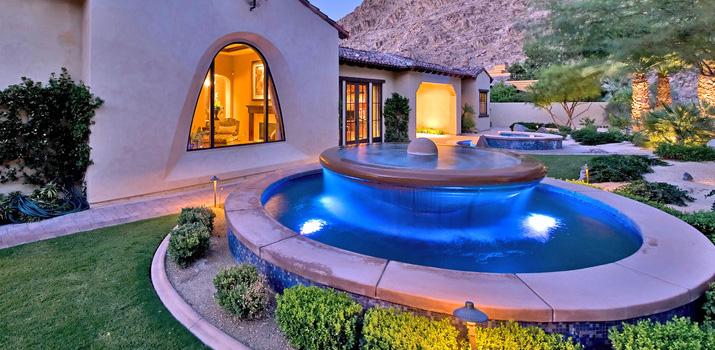
For gardeners willing to try a more sustainable option, hardwood mulch derived from local tree trimmings has gained traction across Texas. It decomposes at a moderate pace and enriches the soil with a balanced array of nutrients. Anyone interested in building a cohesive outdoor space might also explore decorative additions like fountains to complement their planting scheme.
Homegrown enthusiasts who already grow culinary herbs will appreciate how mulch benefits their beds. Pairing a thoughtful mulch choice with reliable herbs such as those recommended in five low maintenance herbs every houston gardener should grow can transform a kitchen garden into a productive, low-fuss feature.
Mulch options worth considering:
- Pine bark for slow breakdown and slight acidity
- Cypress for longevity and tidy appearance
- Local hardwood for balanced nutrient release
- Straw or sugar cane mulch for vegie patches
Mulches to Avoid
Rubber mulch, while long-lasting, does little to improve soil structure and can even leach chemicals into the surrounding earth as it heats up in the Texas sun. Similarly, landscape fabric laid under mulch may seem helpful, but it often prevents the organic material from making contact with the soil, defeating the purpose of mulching in the first place.
Fresh wood chips from untreated timber can temporarily tie up nitrogen in the soil as they decompose, starving nearby plants of this essential nutrient. Letting them age for several months before application solves the problem. Cheap, dyed mulches sometimes contain contaminants that resist breakdown, leaving behind an artificial crust that sheds water rather than absorbing it.
Application Techniques
Aim for a mulch layer roughly 5 to 8 centimetres thick, keeping the material a few centimetres away from plant stems and tree trunks to prevent rot. Spreading mulch too close to the base of woody plants invites fungal problems, particularly in Houston's humid conditions. Edging the bed before mulching gives a clean, finished look and prevents the material from migrating onto lawns or walkways.
Replenishing mulch once or twice a year keeps coverage consistent, with the best timing being late spring and early autumn. Before adding new mulch, gently rake the old layer to break up any matted sections and check for signs of pests. A quick refresh after a heavy storm helps the garden recover its tidy appearance and functional benefits.
Maintaining Your Mulch
Watch for signs of hydrophobic behaviour, where mulch repels water instead of absorbing it, especially in cedar-based products. A light spray of wetting agent or simply turning the mulch with a fork restores its water-absorbing properties. In dry periods, deep, infrequent watering beneath the mulch encourages roots to grow downward, building a more drought-tolerant garden.
Compost can be worked into the top few centimetres of mulch annually to boost microbial activity. This practice mirrors what many Australian gardeners do with worm castings and homemade compost in their kitchen gardens. If you're designing a broader landscape, exploring the best native plants for Spring Branch landscapes offers insights into species that thrive alongside mulched beds.
Seasonal mulch care checklist:
- Late spring: top up after the wettest season
- Mid-summer: check for hydrophobic patches
- Early autumn: rake and refresh before cooler weather
- Winter: monitor for fungal growth in damp conditions
Complementary Garden Elements
Beyond mulch, thoughtful garden design includes structural features that anchor the space visually. Statement pieces such as a quality garden fountain create a focal point and add the gentle sound of moving water, a feature particularly welcome in Houston's warm evenings. For those inspired by classic design, understanding the difference between authentic and reproduction pieces matters, and a Victorian bed identification guide offers helpful context for anyone collecting period furniture.
For gardeners interested in a more personalised approach, designers like Angelo Bernacchi bring a craftsman's eye to outdoor spaces. Pairing his bespoke work with carefully chosen mulch and native plantings creates a layered, inviting garden. Houston's outdoor living culture rewards this kind of considered detail, transforming backyards into extensions of the home.
The right mulch choice makes a tangible difference in Houston's challenging clay, and the team at In The Garden is ready to help you find the perfect match for your landscape. Drop into the Spring Branch nursery to see the range in person, chat with the knowledgeable staff, and pick up everything you need to give your garden the foundation it deserves. Whether you're starting fresh or refreshing tired beds, expert guidance is just around the corner.
Our Work
From cast iron fence posts and ornamental ironwork to European and domestic planters, urns, pedestals, and bird baths, In The Garden curates distinctive garden décor in both vintage and new pieces. The inventory is varied, eclectic, and ever changing, with over 35 years of green-industry experience behind the selections.
Browse our specialty plants & herbs, explore free-standing and lawn water fountains, or relax into a new patio set on view at the Spring Branch location.
Visit Our Spring Branch Nursery
Stop by 1405 Cedar Post Lane, Houston, TX 77055 — just off I-10 (Katy Freeway) at Blalock — to see what's in bloom today.
What We Carry
- Specialty plants & herbs
- Decorative accessories & statuary
- Planters, urns & pedestals
- Free-standing & lawn fountains
- Bird baths & garden accents
- Ornamental iron & cast iron fence posts
- Patio furniture
- Original art from local artists