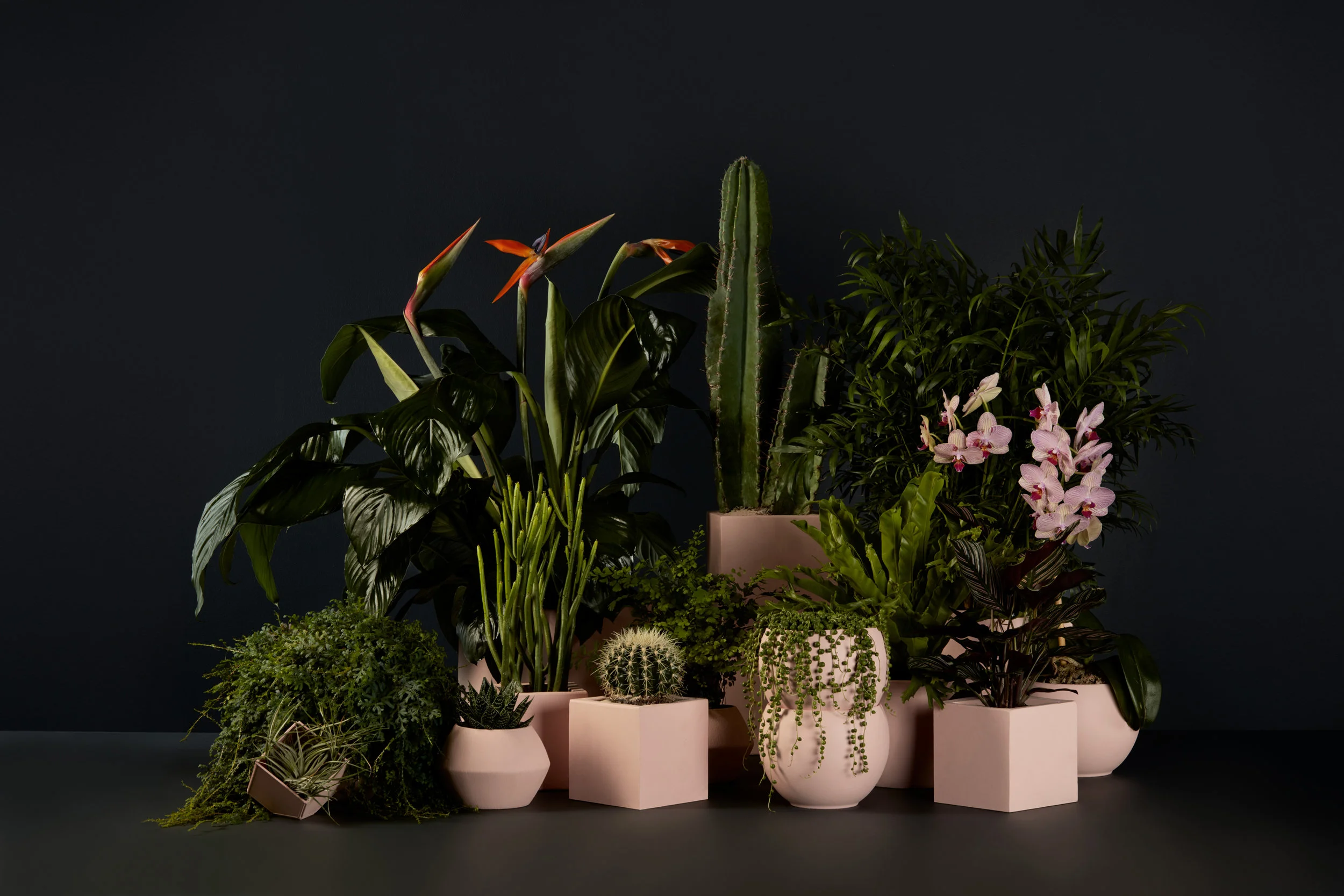
Serving Spring Branch and surrounding Houston neighborhoods since 1999. In The Garden is a hidden treasure for specialty plants, fountains, patio furniture, and one-of-a-kind garden accents.
A Spring Branch Original
Founded by Frank and Suzan Galvan, In The Garden grew from a landscaping enterprise and a warehouse full of unusual finds into a half-acre retail destination just off I-10 at Blalock.
The result is an eclectic, ever-changing mix of specialty plants, herbs, planters, fountains, statuary, patio furniture, and original art from local artists.

Building a Butterfly Habitat with Houston-Friendly Plants
Butterflies are easy to please and hard to ignore. A single well-planted corner can draw painted ladies, swallowtails and sulphurs from several gardens away, and Houston's mild winters mean the season runs far longer than most northern growers expect. The same Houston-friendly plants that earn their keep in a humid Gulf Coast garden also make reliable nectar stations in Australian backyards, where summer heat and dry soil are an even bigger test.
In The Garden, our Houston team works with customers across Spring Branch, Katy and the wider Houston area, and the questions we hear most are practical: which plant actually stays alive through August, which one gets chewed to the stem by caterpillars, and where can I put it so it is visible from the kitchen window? Those answers travel well. Australian gardeners buying from local nurseries or mail-order suppliers can build the same butterfly habitat with plants that thrive on the other side of the Pacific, provided the siting changes with the hemisphere.
Timing needs a translation. Houston's spring falls in Australia's autumn, Houston's July belongs to the middle of an Australian winter, and Houston's long humid summer overlaps with Australia's busiest butterfly months from November through February. In Brisbane, Darwin and Townsville the planting window for nectar shrubs is basically the warm wet season; in Melbourne, Adelaide and Hobart, most gardeners set perennials out after the last frost and watch them flower into a dry, bright spring.
Australia also brings its own butterflies to the list — cabbage whites working through brassicas, painted ladies crossing the Pacific, meadow argus and lemon butterflies on native shrubs — and its own market habits. Independent nurseries and big hardware stores now stock locally grown natives, council plant clinics are free, and mail-order nurseries deliver across the country for a modest fee. If you are keen on a garden that copes with a hot, dry January, Australian native nectar plants such as grevillea, correa, bottlebrush and westringia deserve a place beside the classic tropical favourites.
Choosing nectar plants that handle heat and humidity
Start with plants that flower generously when watering is restricted, because a butterfly patch beside a path is the first one to be skipped during a dry spell. Salvia, pentas, gaura, Mexican heather, plumbago and esperanza, better known as Texas star, all put on a long show in Houston's heat, and most are equally happy in Australian gardens that get a hot dry summer — with a little afternoon shade in Melbourne or Adelaide, where the soil bakes faster. A walk through the Mount Coot-tha Botanic Gardens in Brisbane shows what a well-sequenced nectar succession looks like at scale.
Choose by layer. Low-growing verbena and native groundcovers keep the feeding line near the ground, a metre-high band of gaura and salvia catches the second wave of visitors, and taller plants such as esperanza or bottlebrush give a perch and a sipper for bigger species. One caution for Australia: common lantana is a declared weed in many parts of the country, so check your council's weed list before planting and look for westringia or a locally approved native cultivar instead.
Caterpillars need their own menu, and it is a separate section of the garden. Tropical milkweed draws monarch caterpillars in Houston and delights passing wanderers, passionfruit vine hosts the Gulf Coast fritillary, and fennel, dill and brassicas serve cabbage whites and sulphurs. Australian gardeners already know the brassica trick — a row of kale or broccoli is a magnet for white butterflies — and can add native host species such as Australian senna and wattles for local species to work on.
Shaping sun, shelter and water
Butterflies in Houston chase the sun but retreat from the worst of it, so a patch that gets morning light and afternoon shade will outlast one that bakes all day. In Australia the compass direction flips: north-facing walls and courtyards take the strongest light, which is what a butterfly patch wants in Sydney or Perth, while a south-facing nook keeps Melbourne plants alive longer through summer. Rather than guessing, check where the sun actually falls at three in the arvo.
Water does more than keep roots damp. A shallow basin with pebbles and a few flat stones gives butterflies a safe place to drink and take on minerals, and this puddling behaviour is often the first thing a new gardener notices. Keep it clean, refresh it every second day, and skip the stagnant trough that turns into a mosquito farm — a small trickling fountain does the same job without the drama. Australian water restrictions make the puddle an easy win too, since it needs far less than a formal pond.
Shelter completes the picture, and it matters more in some places than others. Houston's prevailing southerly breeze can strip a patch bare, and Melbourne's roaring forties can do the same job with a colder wind. Planting a hedge or a screen of grasses and salvias on the windward side, with a warm wall behind, keeps the flight path open. Adding one sculptural piece gives the whole corner a focal point, and thoughtful statuary placement is worth reading before you set a stone in the soil.
Folding the habitat into outdoor living
A butterfly patch works best where people can see it, so treat it as part of the outdoor room rather than a leftover strip. Put it along a path between the deck and the vegetable patch, near a bench, or within sight of the sliding doors, and it becomes a daily event rather than a project you check once a season. Houston families often plan seating around the garden itself, and our team regularly helps customers pair a butterfly corner with planters, benches and fountain pieces.
Evenings are when the garden earns its keep. Houston's mild autumn sits comfortably outside for a few months, and there is no better way to use those nights than a fire pit with deep seating close enough to hear the fountain but far enough to dodge the mosquitoes. Australians get the same benefit in the opposite season — a fire pit makes a Melbourne, Adelaide or Perth winter garden usable from June to August, when the rest of the backyard is too cold to enjoy.
A practical habitat checklist
Two lists keep the job honest: the first covers siting and plant selection, the second covers the care that turns a planting day into a living habitat. Work through them in order and the garden tells you what it needs.
Siting and plant choices
- Pick a spot with at least six hours of sun, ideally with afternoon shade in southern Australia
- Group nectar plants in drifts rather than scattering them singly for easier feeding
- Include one host plant — milkweed, passionfruit, fennel or brassicas — for caterpillars
- Check council weed lists before adding lantana, and prefer locally approved natives
- Add a shallow pebble-filled basin or small fountain within reach of the flowers
Planting and ongoing care
- Plant perennials after the last frost in cooler Australian regions, or through the warm wet season further north
- Choose a drip line or a single deep watering rather than daily sprinklers
- Deadhead gaura, salvia and pentas every few weeks to keep nectar coming
- Refresh the drinking basin twice a week and empty it after heavy rain
- Leave some stems standing through winter for overwintering insects and seed for birds
Keeping the season long and the visitors coming
Once established, a Houston habitat can flower from early spring into late autumn, and Australian gardens can run a similar stretch on the southern calendar if you stagger your plantings. A spring flush of grevillea and correa, summer nectar from salvia and bottlebrush, and autumn colour from coral bells and native daisy-like shrubs give the patch a reason to exist in every month. Cut old growth back in late winter, apply a light compost dressing, and the cycle starts again. A puddle is also a fair dinkum cheap way to add water to a small patch.
The garden changes how a house is used. A drinks cabinet outdoors — the cellarette in American dining rooms — has a natural place at the end of a patio run, with the butterfly patch just beyond it, so an evening ends with a drink in hand and a sulphur on the fence. Small gatherings around that corner tend to become regular, which is the real bonus of a habitat that keeps producing.
Bring your questions, a photo of the space and a rough idea of the light you get, and the team at In The Garden on Spring Branch Drive will help you build a planting plan, choose the right planters and fountains, and set up a workshop around the season ahead. Call ahead and walk the aisles slowly — the specialty plant benches, the statuary and the locally made art are all worth a full lap.
Our Work
From cast iron fence posts and ornamental ironwork to European and domestic planters, urns, pedestals, and bird baths, In The Garden curates distinctive garden décor in both vintage and new pieces. The inventory is varied, eclectic, and ever changing, with over 35 years of green-industry experience behind the selections.
Browse our specialty plants & herbs, explore free-standing and lawn water fountains, or relax into a new patio set on view at the Spring Branch location.
Visit Our Spring Branch Nursery
Stop by 1405 Cedar Post Lane, Houston, TX 77055 — just off I-10 (Katy Freeway) at Blalock — to see what's in bloom today.
What We Carry
- Specialty plants & herbs
- Decorative accessories & statuary
- Planters, urns & pedestals
- Free-standing & lawn fountains
- Bird baths & garden accents
- Ornamental iron & cast iron fence posts
- Patio furniture
- Original art from local artists