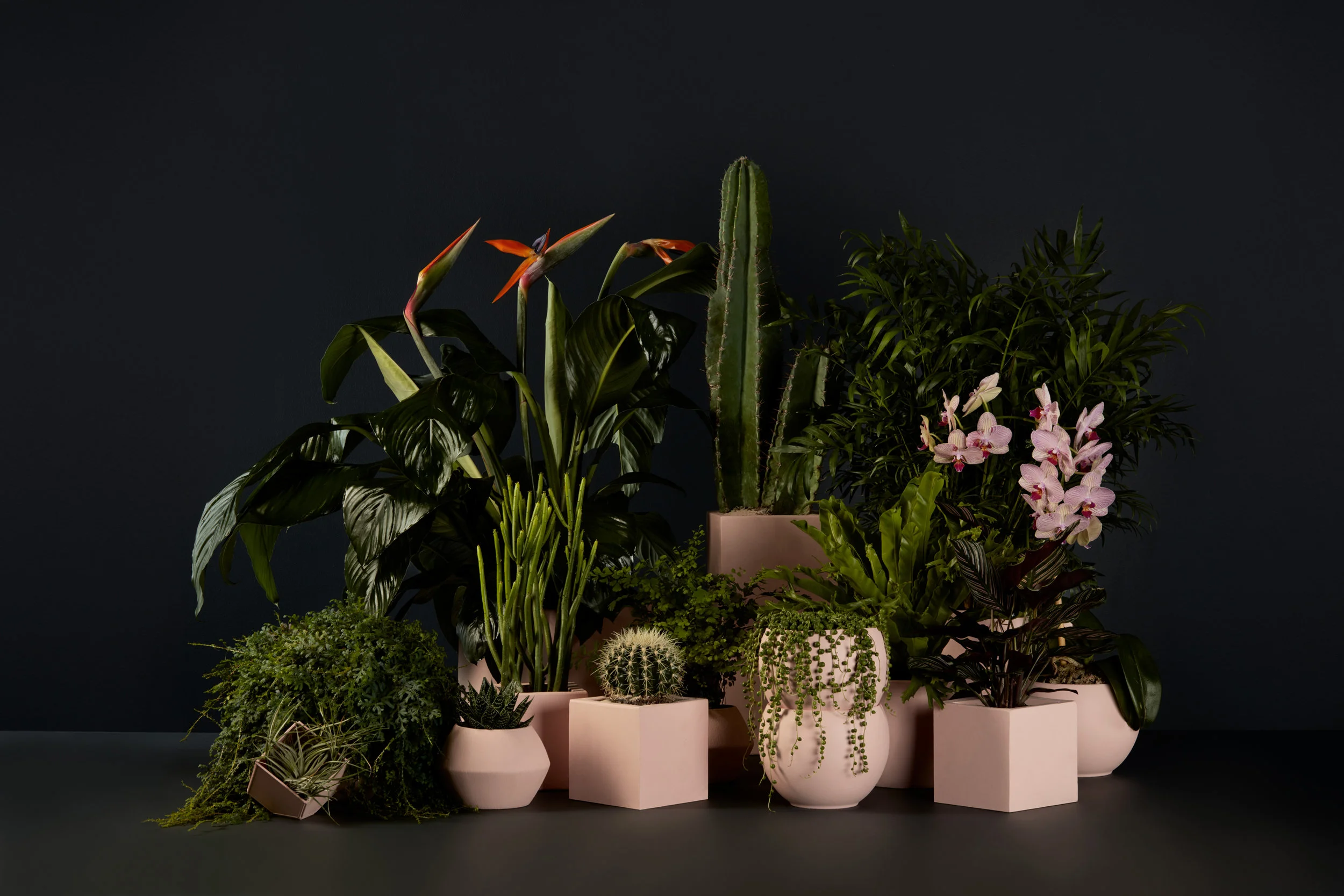
Serving Spring Branch and surrounding Houston neighborhoods since 1999. In The Garden is a hidden treasure for specialty plants, fountains, patio furniture, and one-of-a-kind garden accents.
A Spring Branch Original
Founded by Frank and Suzan Galvan, In The Garden grew from a landscaping enterprise and a warehouse full of unusual finds into a half-acre retail destination just off I-10 at Blalock.
The result is an eclectic, ever-changing mix of specialty plants, herbs, planters, fountains, statuary, patio furniture, and original art from local artists.

A Beginner’s Indoor Herb Guide for Australian Winter
A beginner’s guide to growing herbs indoors during winter is especially useful across Australia, where winter runs from June to August but conditions vary dramatically. Sydney and Perth usually stay mild, Melbourne can be cool, damp and cloudy, Brisbane remains subtropical, and alpine districts around Canberra or Tasmania may experience hard frosts. Indoor plants therefore need different placements depending on the city and the house.
The method suits common Australian homes, including flats, rental properties, townhouses and houses with small courtyards. A sunny kitchen, north-facing window, enclosed veranda or laundry can become a productive growing area, while pots allow gardeners to move plants away from cold glass or heaters. It also gives cooks fresh flavour when outdoor beds are producing little.
Begin with the room you actually have rather than buying a large collection at once. Local nurseries and garden markets are convenient places to compare seedlings, inspect labels and find pots, but a small setup built around reliable light will usually produce better results than an ambitious tray placed in a dim corner.
Match Herbs to Your Indoor Climate
The best indoor herb depends on light, temperature and how much attention you can give it. Use the chart below as a practical shortlist, then adjust the advice for a heated home, a draughty veranda or a humid bathroom.
| Herb | Light Indoors | Ideal Temperature | Winter Notes |
|---|---|---|---|
| Basil | 6–8 hours; use a grow light if needed | 18–27°C | Pinch flowers; dislikes cold drafts |
| Coriander | 5–6 hours of bright light | 12–20°C | Harvest promptly; may bolt in heat or stress |
| Parsley | About 6 hours | 15–21°C | Use a deep pot; take outer stems first |
| Mint | 4–6 hours | 15–24°C | Keep separate; it grows vigorously |
| Rosemary and thyme | 6–8 hours | 10–24°C | Excellent candidates; allow soil to dry |
Basil and coriander offer quick harvests but need warmth and steady moisture. Mint is forgiving in moisture yet can overwhelm a mixed pot, so give each plant a separate container. Rosemary and thyme suit bright Australian winter windows and suffer more from wet compost, weak light and cramped roots than from ordinary cool weather.
Choose Fresh Herbs and the Right Pot
Select two or three herbs suited to your conditions, ideally one fast-growing herb and one slower perennial. Buy nursery-propagated seedlings from a reputable local garden centre or market, and quarantine new plants for a week before placing them among established pots. This helps prevent aphids, whitefly and spider mites from spreading through a small indoor crop.
Attractive containers matter as much as the plants. Wide pots with drainage reduce stress, while a saucer protects shelves from runoff without leaving roots submerged. Although it operates in Houston rather than Australia, In The Garden’s story shows a useful retail approach by pairing specialty plants, locally made art with practical gardening guidance. Australian gardeners can apply the same principle by choosing healthy plants and durable planters suited to their own home.
Many standard culinary herbs, including basil, parsley, coriander, rosemary and thyme, grow well in pots. Australian cooks can also explore nursery-grown lemon myrtle and Australian river mint, which reflect native culinary traditions; confirm the plant identity and avoid taking unnamed material from the bush. Keep culinary herbs separate from ornamental foliage that may not be edible.
Control Light, Water and Temperature
In Australia, a north-facing window generally offers the strongest winter sunlight because the sun sits lower in the southern sky. South-facing rooms may still work with a full-spectrum LED grow light set on a timer for 12–14 hours a day. Rotate pots weekly so stems grow evenly, and remove leaves that press against cold glass.
Water only when the upper 2–3 cm of potting mix feels dry, then soak thoroughly and let excess drain. Winter usually slows growth, but heated indoor air can be dry, so check pots more often than the season suggests. Use room-temperature water, keep foliage dry where possible, and improve airflow around crowded plants without placing them directly in a winter draught.
Seasonal cues should guide harvests rather than a fixed calendar. A winter squash harvest guide from Indiana illustrates how timing changes with local conditions; Australian gardeners should use their own daylight, temperature and plant growth rather than transplanting advice from the northern hemisphere.
Keep Plants Productive and Healthy
Plant most herbs in a free-draining potting mix with added compost or controlled-release fertiliser. Re-pot a plant when roots circle the base or drainage slows, choosing a container only one size larger. Basil and mint appreciate regular feeding during active growth, while rosemary and thyme need a lighter touch and should not sit in constantly wet soil.
Harvest above a pair of leaves so the plant branches, and remove no more than about one third of the foliage at once. Take outer parsley leaves and whole coriander leaves near the base, but cut basil stems just above a node. Snip rosemary and thyme lightly, and collect flowering herbs such as chives or borage in small quantities if leaf production is no longer the priority.
When pots can spend time outdoors, allow some flowering plants to bloom for local insects, then bring them back before night temperatures fall. Hummingbirds do not occur in Australia, and a native habitat guide from Houston demonstrates why planting advice must match regional wildlife. Australian gardens should instead favour local native blooms that support native bees, hoverflies and butterflies.
Your Practical Herb-Growing Checklist
Keep the first project deliberately simple. A sunny shelf, two well-drained pots, a small watering can and a clear routine are enough to produce useful herbs through the cooler months.
- Choose a warm-window herb such as basil and a compact option such as thyme or parsley.
- Give every plant a pot with drainage; use a separate container for mint.
- Check soil moisture twice weekly and adjust for warm, dry rooms.
- Run a grow light on a timer if the window provides less than six hours of strong light.
- Harvest little and often, removing flowers from leafy herbs unless you want seeds.
Choose your herbs today, buy healthy seedlings and a matching pot, and set them in the brightest suitable space. Visit a local nursery or garden market this week, build a small labelled collection, and begin harvesting enough for weeknight meals while protecting the plants from cold glass, pests and neglected watering.
Our Work
From cast iron fence posts and ornamental ironwork to European and domestic planters, urns, pedestals, and bird baths, In The Garden curates distinctive garden décor in both vintage and new pieces. The inventory is varied, eclectic, and ever changing, with over 35 years of green-industry experience behind the selections.
Browse our specialty plants & herbs, explore free-standing and lawn water fountains, or relax into a new patio set on view at the Spring Branch location.
Visit Our Spring Branch Nursery
Stop by 1405 Cedar Post Lane, Houston, TX 77055 — just off I-10 (Katy Freeway) at Blalock — to see what's in bloom today.
What We Carry
- Specialty plants & herbs
- Decorative accessories & statuary
- Planters, urns & pedestals
- Free-standing & lawn fountains
- Bird baths & garden accents
- Ornamental iron & cast iron fence posts
- Patio furniture
- Original art from local artists