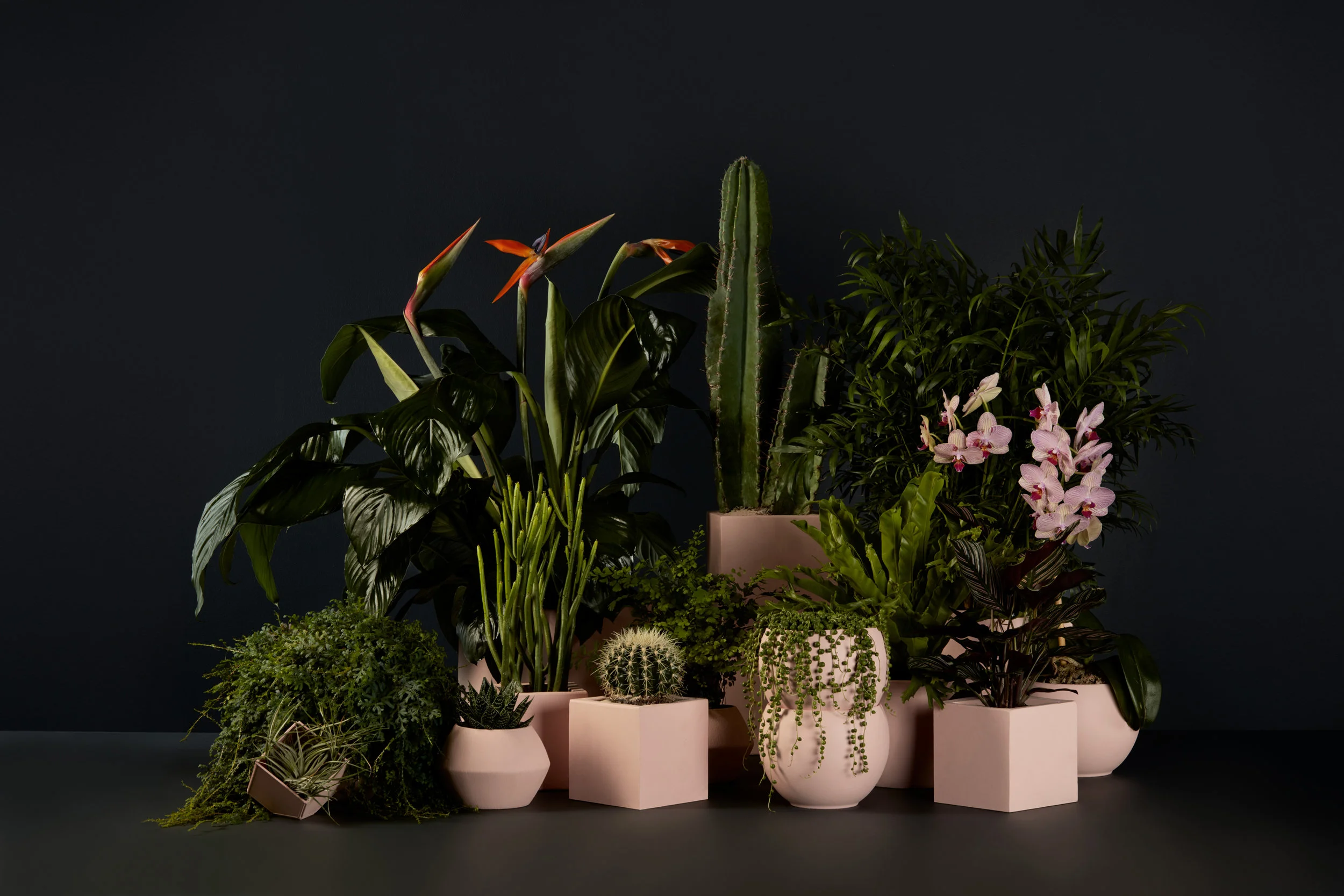
Serving Spring Branch and surrounding Houston neighborhoods since 1999. In The Garden is a hidden treasure for specialty plants, fountains, patio furniture, and one-of-a-kind garden accents.
A Spring Branch Original
Founded by Frank and Suzan Galvan, In The Garden grew from a landscaping enterprise and a warehouse full of unusual finds into a half-acre retail destination just off I-10 at Blalock.
The result is an eclectic, ever-changing mix of specialty plants, herbs, planters, fountains, statuary, patio furniture, and original art from local artists.
Build a self-watering planter for Houston’s hot summers
Houston’s hot summers can turn a patio container into a daily watering job. A self-watering planter stores water below the soil and moves it upward by capillary action, giving roots steady moisture without waterlogging. It helps vegetables and herbs cope when soil swings between dry and saturated.
The same design suits Australian patios, where summer runs from December to February and cities such as Brisbane, Adelaide and Melbourne can experience intense heat. Houston’s plant needs remain central, but reservoir size, watering schedules and drainage should be adjusted to local rainfall, soil and council rules.
How the water reservoir works
A basic planter has four parts: an opaque reservoir, a divider or shelf, a wick and a soil chamber. The wick sits in the reservoir and passes into the moist soil above; tension and capillary action keep the root zone damp. Keep an air gap between water and soil so roots receive moisture, not a bath.
A 60–90 cm wide container can suit several herbs or two compact vegetables. A reservoir roughly 15–20 cm deep, holding about 20–40 litres, may last several days to two weeks in Houston, but heat, plant size and soil moisture determine the real interval. Add a visible fill line or float so refill timing is not guesswork.
Australian conditions make this practical. Council restrictions influence watering habits: Sydney households often water early under WaterSmart schedules, while Melbourne councils can impose staged restrictions. Rainwater tanks can fill the reservoir where suitable for edible plants. For a tap-fed design, check state and council requirements; in NSW, the Water Management Act 2007 governs permitted water use, while permanent plumbing must meet local backflow requirements.
Plan for Houston heat and sudden rain
Give fruiting plants six hours of sun, but add afternoon shade where a west-facing wall reflects heat. Raise the planter so drainage holes stay clear, and shelter it from strong winds. Dark containers heat faster than pale ones, so shade exposed sides during July and August.
Leave enough room above the wick for a 20–30 cm soil layer. A shallow layer wicks poorly and heats rapidly; a deep layer gives roots space and buffers temperature changes. Use a generous overflow hole near the reservoir’s top so a storm cannot force water into the soil chamber. Add mulch after planting, keeping it clear of stems.
Tall crops also need secure support. A simple vegetable trellis can carry climbing vegetables, while anchoring the frame and planter keeps them steady in wind and foliage away from damp soil.
Build the container for reliable watering
Choose a food-safe, UV-resistant tub or a commercial planter with a built-in reservoir. Plastic is light; timber suits a permanent bed but should be sound and untreated near edible roots. Avoid containers that held paint, solvents or pesticides. Compare container options at In The Garden before buying.
Assemble the reservoir and soil chamber with a removable divider. Thread a natural cotton rope or purpose-made wicking strip through a hole near the divider’s base, with equal lengths on each side and enough reach to stay in contact with moist soil. Secure it so it cannot slip out when the planter is moved.
Test the container before filling it with plants. Add water to the reservoir, wet the soil thoroughly and wait several hours. The wick should remain damp and the soil directly around it should darken, while the upper layer stays aerated. Adjust the wick or divider if water pools above the wick or if the soil remains dry at mid-depth.
Choose compatible plants and potting mix
Use quality peat-free potting mix amended with compost and pumice or perlite. Australian nurseries commonly sell potting mix in large litre bags and coir blends; garden soil is too dense for wicking. A loose, even mix moves moisture reliably without staying saturated.
Match plants by water need and mature size. Basil, thyme, oregano, peppers and okra handle warmth; lettuce prefers consistent moisture and afternoon shade. Keep mint in a separate inner pot because it spreads aggressively. Review Houston plant choices before buying, and group plants with similar needs.
Feed lightly with a balanced fertiliser at planting and again during active growth. A water-soluble feed at half the label rate avoids concentrating salts in the root zone. Replace the top few centimetres of mix each season and check for blocked wicks, compacted soil or roots circling the container.
Install, monitor and maintain the system
Set the planter in its final position, fill the reservoir slowly and confirm the overflow route remains clear. Check the wick after the first hot day, then test the soil daily until its pattern is predictable. Refill when the marker reaches the lower limit, and never allow a fitted float or pump to run dry.
Planter and planting checklists
Planting choices
- Basil or thyme for a sunny, warm position
- Peppers or okra for the largest available volume
- Leafy greens with light afternoon shade
- A separate pot for invasive mint
- One compact tomato with secure support
Build and maintenance
- An opaque, food-safe 20–40 litre reservoir
- Cotton rope or a certified wicking strip
- A removable divider with a clear air gap
- An overflow hole above the reservoir
- Five to seven centimetres of mulch
Compare the main watering methods before choosing the final design:
| Method | Water source | Maintenance | Best for |
|---|---|---|---|
| Wick reservoir | Stored water below soil | Refill by level marker | Several herbs or vegetables |
| Olla | Buried porous clay vessel | Refill and inspect cracks | One large plant or pot |
| Commercial insert | Built-in tank and wick | Replace according to maker | Renters and smaller spaces |
After the first week, compare the soil beneath the mulch with soil near the wick. If both are dry, refill and extend the reservoir or add a second wick. If the upper soil stays wet for days, shorten or narrow the wick, improve drainage or reduce the reservoir level. During Houston storms, empty and rinse the reservoir if debris accumulates, and keep the overflow unobstructed.
Start with a container that fits the space, then measure its internal volume before choosing plants. Build the reservoir and overflow, add the wick and potting mix, and let the system settle before planting. Keep a watering log for the first fortnight; the readings show when each variety needs a refill.
Visit In The Garden in Spring Branch to compare plants, containers and locally made outdoor pieces, and ask the team for Houston-specific guidance. Choose a reservoir that matches the planter, select compatible crops and place the system where daily checks are easy. A careful build can carry productive herbs and vegetables through the hottest weeks while using water efficiently.
Our Work
From cast iron fence posts and ornamental ironwork to European and domestic planters, urns, pedestals, and bird baths, In The Garden curates distinctive garden décor in both vintage and new pieces. The inventory is varied, eclectic, and ever changing, with over 35 years of green-industry experience behind the selections.
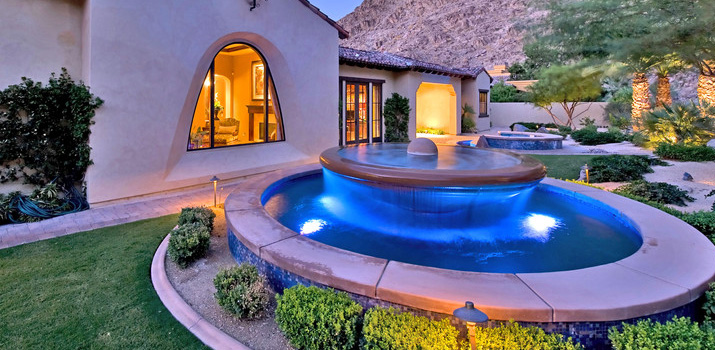
Browse our specialty plants & herbs, explore free-standing and lawn water fountains, or relax into a new patio set on view at the Spring Branch location.
Visit Our Spring Branch Nursery
Stop by 1405 Cedar Post Lane, Houston, TX 77055 — just off I-10 (Katy Freeway) at Blalock — to see what's in bloom today.
What We Carry
- Specialty plants & herbs
- Decorative accessories & statuary
- Planters, urns & pedestals
- Free-standing & lawn fountains
- Bird baths & garden accents
- Ornamental iron & cast iron fence posts
- Patio furniture
- Original art from local artists