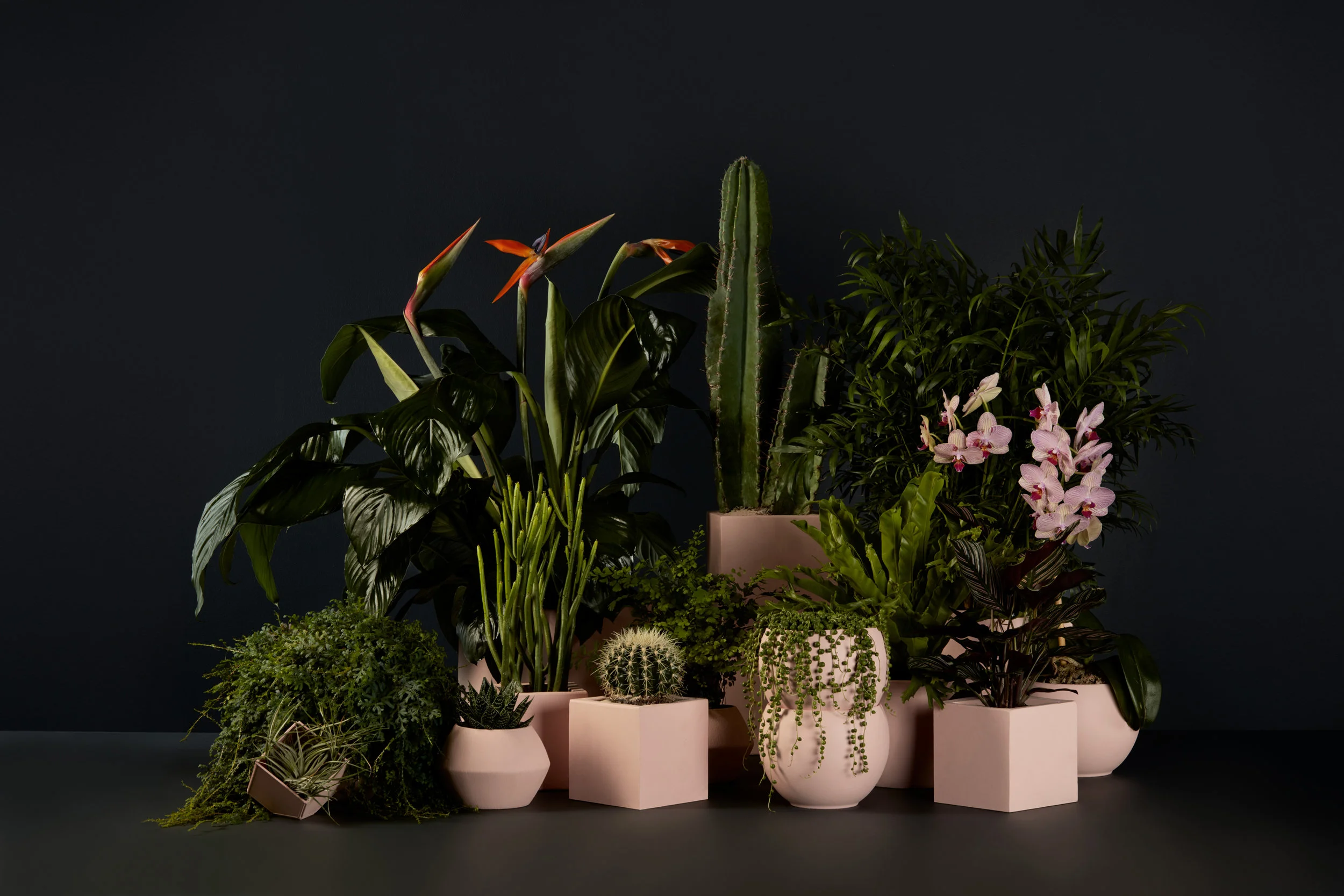
Serving Spring Branch and surrounding Houston neighborhoods since 1999. In The Garden is a hidden treasure for specialty plants, fountains, patio furniture, and one-of-a-kind garden accents.
A Spring Branch Original
Founded by Frank and Suzan Galvan, In The Garden grew from a landscaping enterprise and a warehouse full of unusual finds into a half-acre retail destination just off I-10 at Blalock.
The result is an eclectic, ever-changing mix of specialty plants, herbs, planters, fountains, statuary, patio furniture, and original art from local artists.

Growing Culinary Herbs Along a Sunny Kitchen Window Path
A kitchen window can become a productive growing space with a few pots, reliable light and a routine that suits the Australian climate. Fresh basil, parsley, thyme, mint and chives bring fragrance and flavour indoors, while attractive containers turn an ordinary window path into part of the home.
The best arrangement is practical as well as decorative. Herbs need enough sunlight, room for air movement and protection from hot glass, cold draughts and sudden changes in moisture. A narrow shelf, a sunny ledge or a line of planters beside a north-facing window can work beautifully in a flat, townhouse or family kitchen.
Seasonal timing matters across Australia. Basil may thrive through a Brisbane summer, while gardeners in Melbourne may keep it inside during cooler months. In Sydney, humid weather can encourage fungal problems, and Perth growers may need to monitor dry indoor air and intense afternoon heat. Choosing the right position makes everyday care much easier.
Choose A Bright, Stable Position
In the southern hemisphere, a north-facing window usually provides the strongest consistent light. East-facing windows offer gentle morning sun, which suits parsley, coriander and chives. West-facing glass can become harsh in summer, particularly in Perth or Adelaide, so use a sheer curtain or move delicate herbs slightly back from the pane.
Aim for four to six hours of useful light each day. Rotate pots every few days so plants grow evenly rather than leaning towards the glass. If stems become long and pale, the herbs probably need more light. A compact grow light can help in a darker Melbourne kitchen or during the shorter winter days.
Keep foliage from touching cold glass at night, and leave a small gap between containers. A saucer or waterproof tray will protect timber, stone and painted surfaces from drips. Before filling a large planter, test garden soil if you plan to use outdoor soil, although a quality indoor potting mix is generally cleaner and lighter for a kitchen setting.
Match Herbs To Everyday Cooking
Start with herbs you will actually use. Basil is ideal for pasta, salads and barbecue dishes, while chives can be snipped over eggs, potatoes and sour cream. Thyme and oregano tolerate slightly drier conditions, making them dependable choices for busy households. Mint grows vigorously, so give it a separate pot to prevent it taking over the planter.
Coriander prefers regular harvesting and can bolt quickly during hot weather. Sow small batches every few weeks rather than relying on one crowded pot. Parsley appreciates steady moisture and moderate light, while rosemary needs excellent drainage and should not sit in wet compost.
Choose containers with drainage holes and enough depth for the roots. Matching ceramic pots create a calm visual line, while recycled tins or terracotta containers bring a relaxed market-garden character. If your window path opens towards a balcony or courtyard, nearby outdoor seating can extend the herb-growing area into an inviting place for morning coffee and food preparation.
Build A Useful And Beautiful Display
Arrange the tallest plants at the back and low-growing herbs near the edge, where they are easy to reach. Leave space for watering cans, scissors and a small bowl for cuttings. A slim timber shelf can create extra room, but it must be securely fixed and able to support the weight of wet compost.
Use colour and texture to make the display feel intentional. Silver-grey rosemary contrasts with bright green parsley, while terracotta complements timber, stone and woven kitchen accessories. Decorative labels help distinguish similar seedlings and add a personal touch without making the area look cluttered.
The space around the window can also connect indoor planting with a welcoming entrance or patio. Ideas for a welcoming entryway can be adapted to a kitchen threshold, using one architectural pot or a small sculpture to frame the herb collection without blocking movement.
Water Feed And Harvest With Care
Check moisture with a finger rather than watering by the calendar. When the top centimetre of mix feels dry, water thoroughly until a little drains from the base, then empty the saucer. Basil and parsley prefer more consistent moisture, while thyme, oregano and rosemary should dry slightly between drinks.
Feed lightly during active growth with a diluted organic fertiliser. Too much feed creates soft, leafy growth with weaker flavour. Remove yellow leaves promptly, and trim flowering stems from basil and coriander if you want to prolong leaf production. Harvest little and often, taking the tips rather than stripping an entire branch.
Good drainage and gentle airflow are especially valuable in humid coastal areas such as Sydney or Brisbane. A small tabletop fountain belongs outdoors rather than beside food preparation, but a nearby courtyard feature such as these garden fountains can make the wider outdoor living area feel connected to the kitchen garden.
Keep The Routine Simple
A productive herb window does not need constant attention. Spend a few minutes each week checking for aphids, removing dead growth, rotating pots and wiping dust from broad leaves. Wash harvested herbs just before use, and keep cut stems in a glass of water for short-term freshness.
If you are installing a shelf or refinishing an old timber frame, complete dusty or chemical work well away from the plants. Read this guide to heat gun safety before restoring painted materials, and allow every surface to cool, dry and air out before bringing herbs back indoors.
Practical Choices For A Productive Window
- Place most herbs near a north- or east-facing window for dependable light.
- Use separate pots for mint, rosemary and other herbs with contrasting water needs.
- Select containers with drainage holes and protective saucers.
- Sow coriander and basil in small successive batches during warm weather.
- Harvest regularly to encourage compact, branching growth.
- Keep plants away from hot glass, cooking fumes and cold overnight draughts.
- Connect the indoor display with a patio, balcony or courtyard seating area.
A sunny kitchen window path can supply fresh ingredients while adding life to the room. Visit In The Garden to explore distinctive planters, pottery, outdoor furnishings and decorative pieces that can help turn a simple herb collection into a considered part of your home and garden.
Our Work
From cast iron fence posts and ornamental ironwork to European and domestic planters, urns, pedestals, and bird baths, In The Garden curates distinctive garden décor in both vintage and new pieces. The inventory is varied, eclectic, and ever changing, with over 35 years of green-industry experience behind the selections.
Browse our specialty plants & herbs, explore free-standing and lawn water fountains, or relax into a new patio set on view at the Spring Branch location.
Visit Our Spring Branch Nursery
Stop by 1405 Cedar Post Lane, Houston, TX 77055 — just off I-10 (Katy Freeway) at Blalock — to see what's in bloom today.
What We Carry
- Specialty plants & herbs
- Decorative accessories & statuary
- Planters, urns & pedestals
- Free-standing & lawn fountains
- Bird baths & garden accents
- Ornamental iron & cast iron fence posts
- Patio furniture
- Original art from local artists