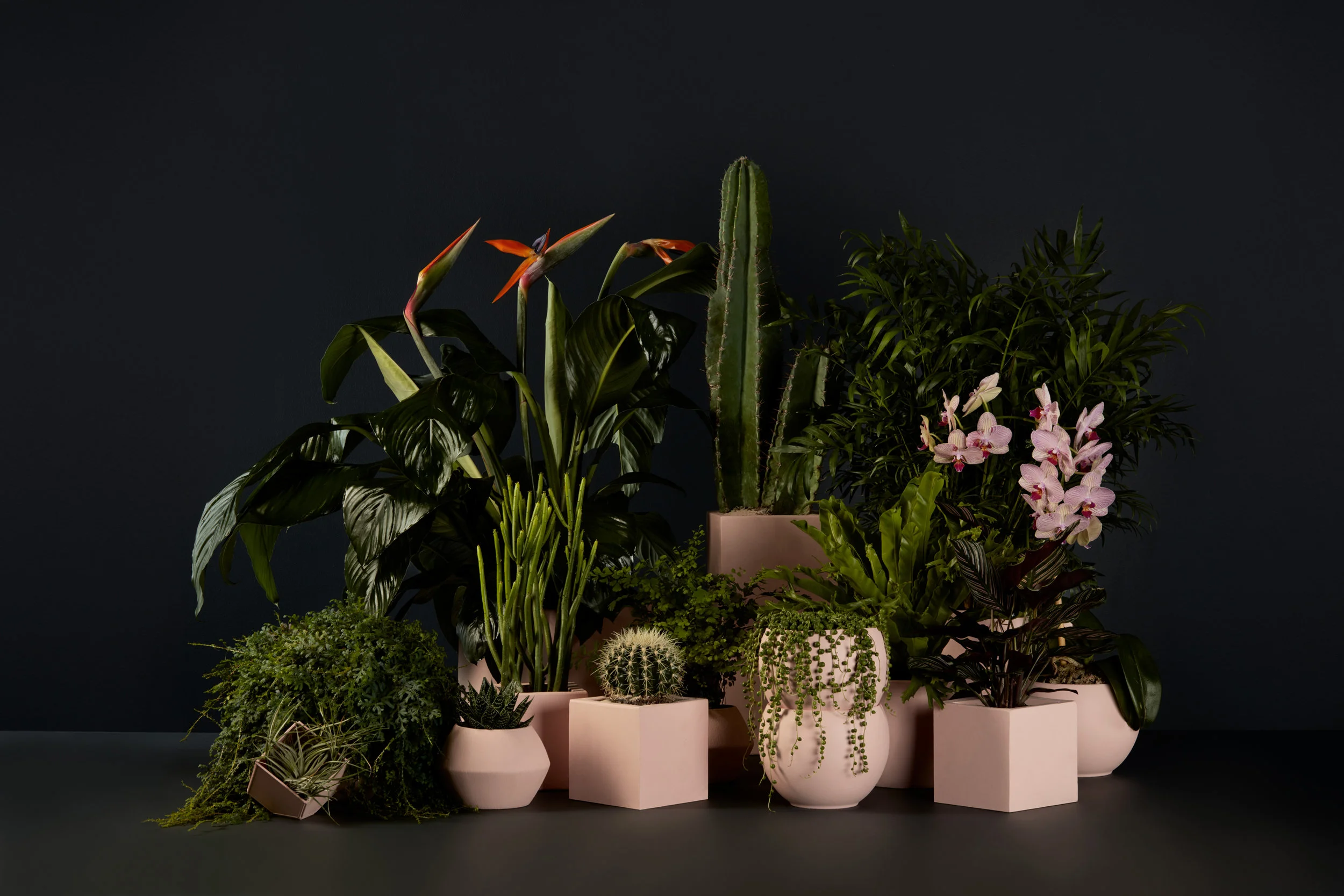
Serving Spring Branch and surrounding Houston neighborhoods since 1999. In The Garden is a hidden treasure for specialty plants, fountains, patio furniture, and one-of-a-kind garden accents.
A Spring Branch Original
Founded by Frank and Suzan Galvan, In The Garden grew from a landscaping enterprise and a warehouse full of unusual finds into a half-acre retail destination just off I-10 at Blalock.
The result is an eclectic, ever-changing mix of specialty plants, herbs, planters, fountains, statuary, patio furniture, and original art from local artists.
Choose the right home for a sundial or armillary sphere
The best place in your garden for a sundial or armillary sphere is rarely the emptiest corner. It is the position that combines clear sunlight, stable ground and an honest view from the house. A sundial must work as an instrument; an armillary sphere must hold its own as sculpture, yet both should look naturally within the garden.
Australians must reverse the familiar Northern Hemisphere arrangement. The sun crosses the northern sky, so a horizontal sundial generally needs an open outlook south. Orientation is more than decorative: a dial copied from Houston or London may tell time badly unless its latitude and gnomon suit Australia.
Think about use. A dial is for reading shadows and hour lines, while an armillary sphere brings the heavens into a garden. Either can become a beauty in a courtyard, beside a path or near a pool, but the wrong site can make an interesting piece look lost.
Before choosing style, measure the place. Check seasonal shade, drainage, wind and how often the spot is seen. Australian garden centres, specialist makers and online sellers offer many outdoor ornaments, so narrowing the choice by site conditions is the sensible first move.
| Feature | Sundial | Armillary sphere |
|---|---|---|
| Main purpose | Reads solar time from the gnomon and its shadow | Celebrates celestial circles as sculpture or teaching model |
| Ideal setting | Open lawn, courtyard axis or terrace edge with direct sun | Clear focal position in sun or soft shade, depending on finish |
| Best sightline | Visible from a window or main path without obstruction | Readable from several directions with room to circle it |
| Australian concern | Correct latitude, southern orientation and gnomon setup | Wind, salt, UV exposure and secure anchoring |
Read the light before choosing a position
Start with a sun-and-shadow map. Observe at morning, noon and late afternoon, then repeat in winter and summer if possible. Melbourne’s changeable weather can make a sunny courtyard deceptive, while Adelaide’s hard summer sun exposes every obstruction. The Houston plant library is a useful reminder to check mature canopy size before placing anything below a tree.
For a sundial, find the clearest southern opening and keep buildings, fences and dense shrubs below the future gnomon line. For a sphere, visibility can come from a path, window or seat, but avoid a cramped angle. Stand where you will usually see it and check that it reads clearly against foliage, stone or water.
Get sundial geometry right
Choose the dial type with latitude in mind. On a horizontal sundial, the gnomon’s shadow aligns with the hour lines only when its angle matches the site’s latitude; vertical dials follow different rules. Before buying an Australian design—or adapting a northern one—ask whether the model is fixed for one latitude or adjustable.
Give the dial an open lawn, paved court or terrace edge with direct sun all year. The base should be level, anchored and clear of sprinklers, while the gnomon needs protection from mowers and children. Confirm that the face, numerals and fixings suit UV, humidity and coastal conditions.
Use an armillary sphere as a focal point
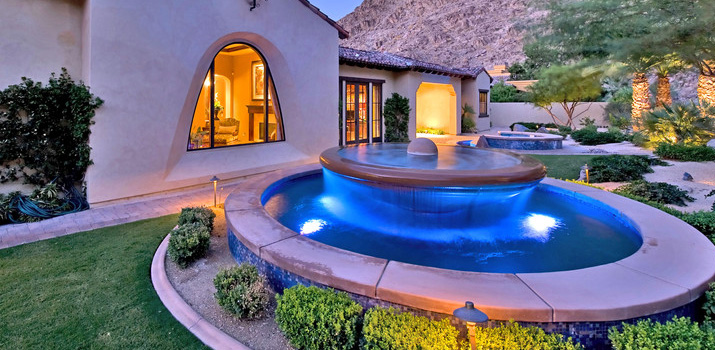
An armillary sphere needs a strong visual anchor because its rings work from every direction. Put it where a path bends, on a garden axis or beside a pool, where it can throw a spotlight over planting without competing with a tree. For sculpture that holds visual attention, the work at Mazzoleni Art Gallery offers a useful reference for scale and presence.
Secure it against wind and keep it away from irrigation jets and pool chemicals. Sydney’s salt-laden air can pit untreated metal, and Brisbane’s subtropical storms call for a heavy footing. Choose a corrosion-resistant finish, anchor the pedestal below the soil and leave room to circle the piece.
Build a coherent garden vignette
Build a small scene around the sculpture. Repeated forms, a clipped shrub or a broad-leaf plant can frame it without hiding detail. The approach in these antique urn planters shows how aged vessels become statement pieces when height, spacing and surrounding foliage form one composition.
Australia’s garden market offers choice: independent nurseries stock ornaments, architectural salvage yards supply patinated pieces, artisan makers sell locally forged work, and online marketplaces fill the gaps. Check Australian-dollar pricing, delivery weight and replacement parts, then have a go at mixing an Australian-made pot plant with imported metalwork instead of buying a matched set too quickly.
Run through Australian placement checks
Climate should decide the final tweaks. Melbourne courtyards need airflow and careful shade; Adelaide gardens need drought-wise planting; Sydney coastal sites require marine-grade fixings; Brisbane yards need anchoring for summer downpours. For a seated view, an antique hope chest project shows how old furniture can become a window seat, helping you judge the sculpture’s height and outlook.
Sundial placement checks
- Confirm a clear southern sky and watch seasonal shadows.
- Check the gnomon, face and angle suit your latitude.
- Level and anchor the base away from irrigation.
- Place it where the dial is visible from a window.
Armillary sphere placement checks
- Choose a clear focal point with room around it.
- Keep salt, spray and strong winds off vulnerable metal.
- Anchor the pedestal for gusty or storm-prone weather.
- Frame it with planting without hiding the rings.
Measure both the object and its setting. A metre-wide sphere needs more breathing room than a small dial, while a tall dial must not hide behind a hedge. Take photographs from seated and standing viewpoints before delivery, then check the site after rain and at the hottest time of day.
Bring the chosen piece into daily use
Let function settle the shortlist. Choose the sundial when reading the shadow and hour is central; choose the armillary sphere when it will be the garden’s meeting point or sculptural centrepiece. A smaller dial can sit near a larger sphere, but each needs clear space and a stable base.
For a Houston reference, the selection at In The Garden Houston is useful for comparing fountains, statuary, architectural accents and locally made art. If ordering overseas, check dimensions, base weight, corrosion treatment and whether a sundial is calibrated for its destination.
Visit a local garden centre or specialist maker, take a tape measure and a clear-sky photograph to the site, and buy when the light, footing and view agree. Ask for southern-hemisphere settings where needed, weighted bases and weather-matched coatings, then bring the piece to the spot where people naturally pause and enjoy it.
Our Work
From cast iron fence posts and ornamental ironwork to European and domestic planters, urns, pedestals, and bird baths, In The Garden curates distinctive garden décor in both vintage and new pieces. The inventory is varied, eclectic, and ever changing, with over 35 years of green-industry experience behind the selections.
Browse our specialty plants & herbs, explore free-standing and lawn water fountains, or relax into a new patio set on view at the Spring Branch location.
Visit Our Spring Branch Nursery
Stop by 1405 Cedar Post Lane, Houston, TX 77055 — just off I-10 (Katy Freeway) at Blalock — to see what's in bloom today.
What We Carry
- Specialty plants & herbs
- Decorative accessories & statuary
- Planters, urns & pedestals
- Free-standing & lawn fountains
- Bird baths & garden accents
- Ornamental iron & cast iron fence posts
- Patio furniture
- Original art from local artists