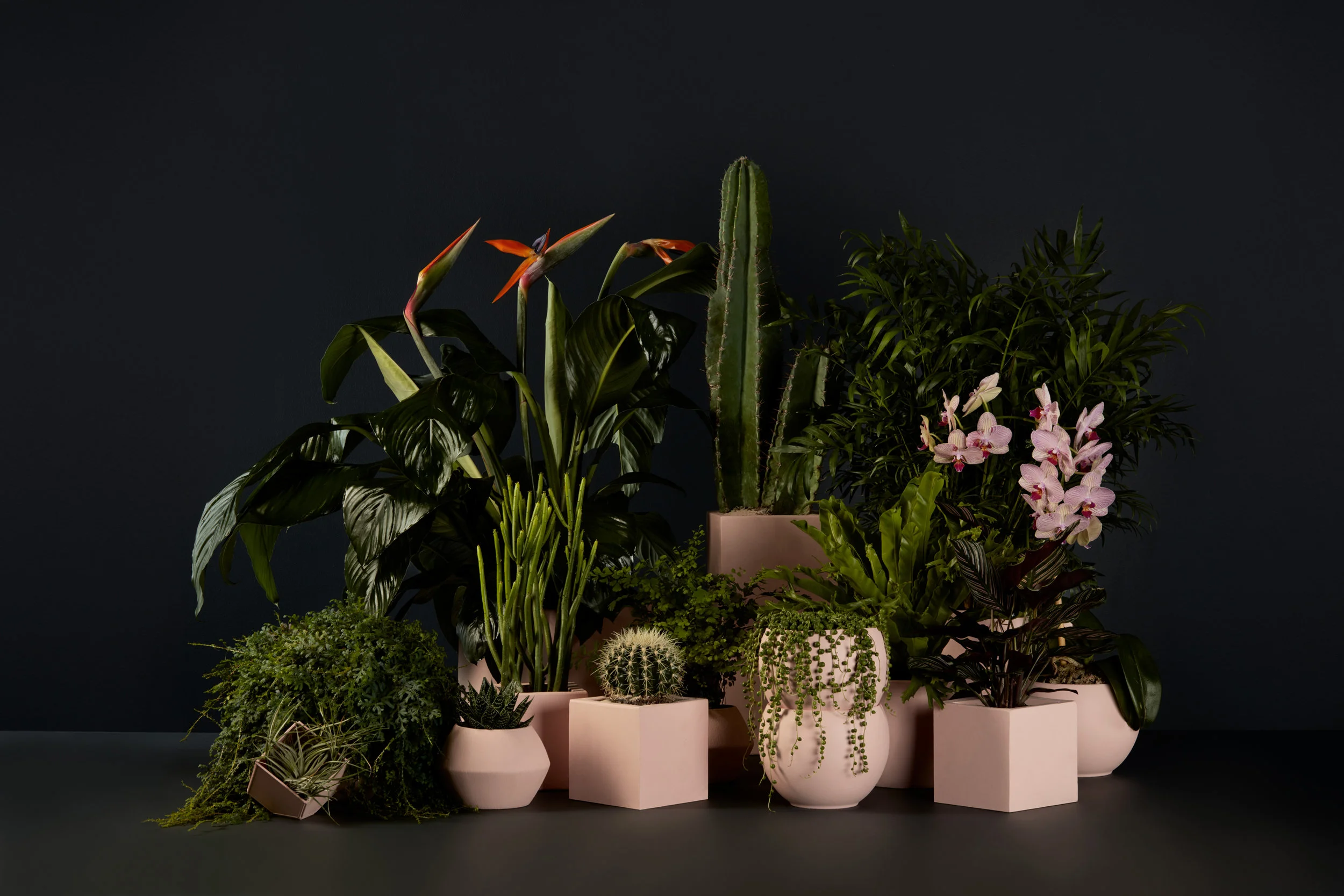
Serving Spring Branch and surrounding Houston neighborhoods since 1999. In The Garden is a hidden treasure for specialty plants, fountains, patio furniture, and one-of-a-kind garden accents.
A Spring Branch Original
Founded by Frank and Suzan Galvan, In The Garden grew from a landscaping enterprise and a warehouse full of unusual finds into a half-acre retail destination just off I-10 at Blalock.
The result is an eclectic, ever-changing mix of specialty plants, herbs, planters, fountains, statuary, patio furniture, and original art from local artists.
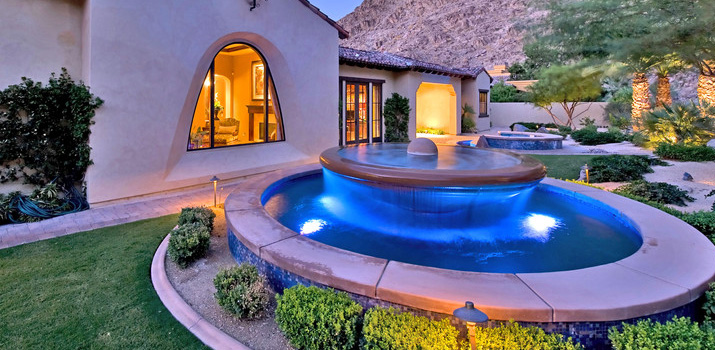
DIY garden markers that work beautifully
DIY garden markers do more than identify a plant. A well-made label can show what is growing, add rhythm to a garden bed and make a practical corner feel personal. Their usefulness comes first, while colour, shape and lettering give each one a small artistic identity.
Aussie gardeners often use terms such as “veggie patch” and “pot plant”, and many enjoy combining open beds with balconies or compact courtyards. That mix of growing spaces rewards simple marker designs that can be moved, wiped clean and read quickly. Thoughtful materials and clear lettering will also help each label handle the Australian climate.
Plan the marker for its exact position
A marker beside a sunny fence can dry out faster than one under a tree. Adelaide’s intense heat can shrink unchecked timber, Melbourne’s driving rain can work into joins, and coastal Sydney’s humidity and salt can mark unprotected metal. Before choosing a material, consider how much sun, water and wind the finished marker will encounter.
The plant’s growing habit should influence the marker’s shape. A tall stake suits a row of vegetables, a low label works well in a pot, and a hanging tag keeps herbs visible without taking up space. Make sure the name can be read while kneeling beside the bed, since that is how many gardeners check their plants.
Size matters as well. A marker that looks balanced at home may disappear beside a sprawling pumpkin or oversized basil plant. Use metric measurements, simple templates and a consistent height to create a neat family of labels. A small sample near the intended position can also reveal whether the lettering catches enough light.
Select durable materials and lettering
A marker can look rustic, colourful or quietly polished without becoming flimsy. Reclaimed containers and decorative vessels can be saved rather than discarded, and browsing vintage garden pieces may provide inspiration for a weathered terracotta finish. Always clean old pots thoroughly and check for loose paint or sharp edges before decorating them.
Choose a base material according to where the marker will live:
- Treated hardwood or dense reclaimed timber works well for row markers; sand the edges and seal every face.
- Terracotta suits pot labels; use a masonry bit when cutting it and seal the exposed edge.
- Galvanised steel or aluminium makes durable small stakes, while a protective coating helps in coastal areas.
- Slate or glazed ceramic provides a permanent, low-profile option that blends naturally into a garden bed.
Pair the base with a lettering method that suits how much care the marker will receive:
- Water-based outdoor paint gives bold, colourful lettering on primed timber or terracotta.
- Chalkboard paint allows plant names to be changed, although a sheltered position will preserve it longer.
- Engraved or stamped metal produces permanent lettering without needing repeated touch-ups.
- Hand-painted ceramic offers delicate detail for pots, herbs and smaller plants.
Wherever the base and lettering meet, use compatible outdoor sealants and let each coat dry fully. Test the finished combination in a damp, sunny spot before making the full set. Materials are readily available at Australian nurseries and hardware stores such as Bunnings, so it is easy to begin with a few inexpensive pieces.
Turn everyday objects into garden art
Upcycled objects often produce the most memorable markers. An old spoon, timber offcut, broken pot saucer or piece of roof tile can become a label with a little sanding, priming and paint. Work on a protected surface, wear gloves when handling ceramic and use outdoor-grade adhesive on any joints.
Art does not have to mean elaborate decoration. Bold silhouettes, repeated motifs and a restricted colour palette can give several markers a shared identity. For sculptural inspiration, study the forms presented by Angelo Bernacchi, then translate the ideas into simple shapes suited to a garden rather than copying a finished artwork.
Begin by cleaning the object and removing loose material. Sand timber, de-rust metal and apply a suitable primer before adding colour. Keep the plant name larger than any decoration and leave enough clear space around it. A protective topcoat, applied according to the manufacturer’s instructions, will help the marker age gracefully outdoors.
Link labels to seasons and planting plans
A useful marker can carry more than a plant’s name. Add the sowing or planting date, expected height or a short water note on the reverse. These details are particularly helpful in a busy veggie patch, where forgotten seedlings and unfamiliar leaves can otherwise look surprisingly similar.
Seasonal timing also changes the purpose of a marker. October brings spring to much of Australia, while Houston experiences autumn. Houston gardeners can consult the October planting guide for colourful fall planting ideas, then label new crops with the date and expected harvest period.
Choose marker colours that complement the planting area rather than competing with it. Dark lettering on pale tags works beside herbs and salad leaves, while earthy terracotta tones disappear nicely among tomatoes and peppers. For a changing display, keep the labels themselves permanent and swap the plant names on removable cards as each season ends.
Make the project part of the garden
For inspiration, browse In The Garden Houston in Spring Branch for specialty plants, herbs, planters, fountains, patio furniture, statuary, architectural pieces, gifts, seasonal displays and locally made art. The welcoming browsing experience makes it easy to imagine how finished markers might look among plants, decorative accessories and outdoor furnishings.
Take a plant list, marker measurements and a colour sample to the garden centre, then ask the team for guidance suited to your growing conditions. Houston’s climate advice can help with drainage, placement and seasonal care, while workshops offer another way to develop a new craft. Choose one blank pot saucer, select two complementary colours and paint a clear plant name, then turn that first simple label into the beginning of a personalised garden set.
Our Work
From cast iron fence posts and ornamental ironwork to European and domestic planters, urns, pedestals, and bird baths, In The Garden curates distinctive garden décor in both vintage and new pieces. The inventory is varied, eclectic, and ever changing, with over 35 years of green-industry experience behind the selections.
Browse our specialty plants & herbs, explore free-standing and lawn water fountains, or relax into a new patio set on view at the Spring Branch location.
Visit Our Spring Branch Nursery
Stop by 1405 Cedar Post Lane, Houston, TX 77055 — just off I-10 (Katy Freeway) at Blalock — to see what's in bloom today.
What We Carry
- Specialty plants & herbs
- Decorative accessories & statuary
- Planters, urns & pedestals
- Free-standing & lawn fountains
- Bird baths & garden accents
- Ornamental iron & cast iron fence posts
- Patio furniture
- Original art from local artists