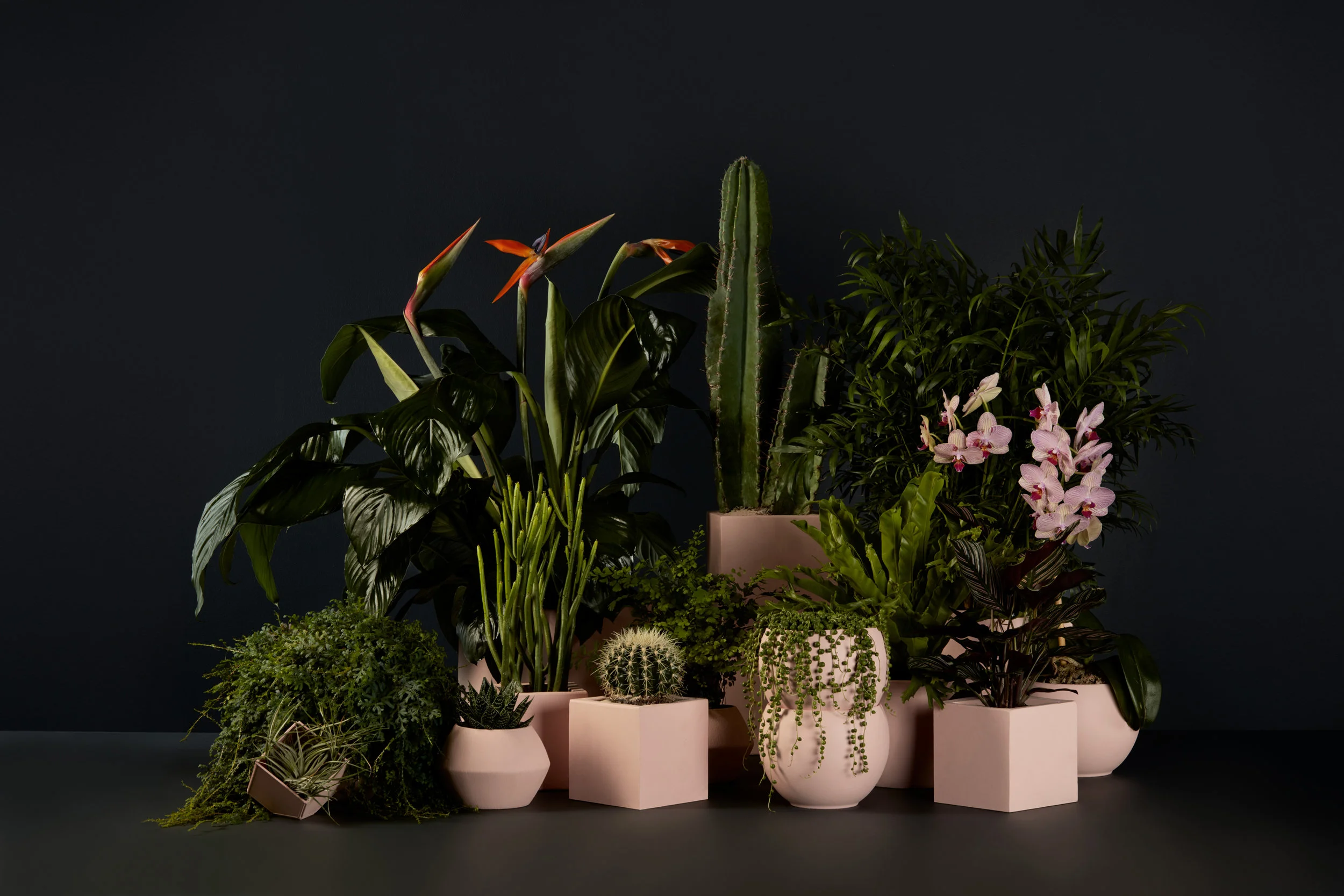
Serving Spring Branch and surrounding Houston neighborhoods since 1999. In The Garden is a hidden treasure for specialty plants, fountains, patio furniture, and one-of-a-kind garden accents.
A Spring Branch Original
Founded by Frank and Suzan Galvan, In The Garden grew from a landscaping enterprise and a warehouse full of unusual finds into a half-acre retail destination just off I-10 at Blalock.
The result is an eclectic, ever-changing mix of specialty plants, herbs, planters, fountains, statuary, patio furniture, and original art from local artists.
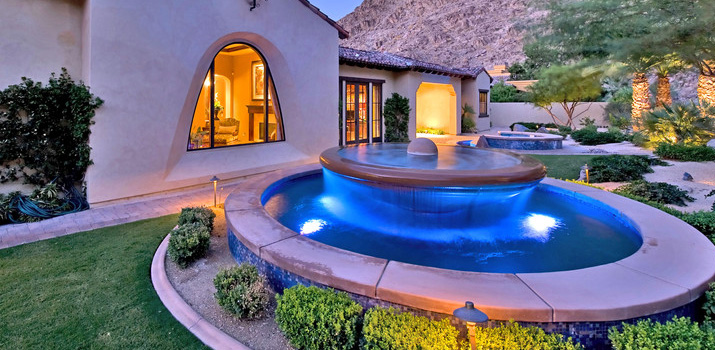
Choosing sand and stone for a dry creek bed
A dry creek bed looks effortless and is anything but. Cut a shallow channel through the lawn, fill it with stone, sand and gravel, and the first time rain arrives the whole thing reads as a creek — water threading between boulders, catching the light, running downhill to a low point. Done well it solves a real problem: where does the water go? Done badly it looks like a strip of decorative rubble that washes out in a fortnight.
The idea travels well to Australian gardens, because the problems match the Texan ones. Houston's gumbo clay and Brisbane's heavy red soils both punish anything that traps water, and a Houston August has plenty of Australian company in Perth, Alice Springs and the red centre. In The Garden has spent years helping Spring Branch customers pick plants and materials that handle heat and clay, and the question we hear most often about dry creek beds comes down to one thing: which sand, which stone, and how much of each.
What a dry creek bed actually does
Work out what the bed is for first. Most dry creek beds here are drainage first and decoration second — a way to take a lawn that ponds after a spring storm and turn the low corner into a feature that looks deliberate. That means a consistent fall toward a soakage point and a channel that holds its shape when a downpour arrives in one hour. Around Brisbane and the Gold Coast, summer storms can drop a hundred millimetres in an afternoon, and a bed spread flat will simply push water sideways into your paving.
It also does the job of erosion control, because a creek bed is a miniature watercourse. Deeper in the middle, wider and shallower at the edges, large enough stones that stay put, and a lining of smaller material that lets water through rather than damming it. Size matters more than colour here: pea gravel alone will scour, while coarse sand, a layer of grit and a scatter of larger rock settle in a season and look better for it.
The bed also frames planting. In Houston we edge them with rosemary, fountain grass and sedum; in Australia the equivalent palette is Lomandra, Dianella, Grevillea and paperbark Melaleuca around Perth and the coast, with drought-hardy saltbush and Swainsona further inland. Houstonians also like to set the creek bed beside a covered entertaining area, and the storeroom charm a garden room needs runs back to the corner cupboard tradition in American interiors — a habit Australians have happily borrowed.
Matching stone to Australian conditions
Stone is not interchangeable, and Australian conditions punish lazy choices faster than most. Perth's dry Mediterranean summer is hard on soft limestone, which goes chalky one year and streaked black the next; choose local limestone, sandstone or granite and expect to reseal lighter stone every few years. Melbourne's cold, wet winters and hard frosts spall porous sandstone, so Victorian basalt and dense granite are the safer picks there.
Alice Springs and the red centre want something different — dust, forty-degree heat, cattle and occasional flash flooding, where quarried stone and angular crushed rock hold down best. Sydney's coastal gardens bring salt spray and hungry sandy soil, so a creek bed there can double as a planting strip rather than a drain. Around Adelaide, quarry stone from yards at Glen Osmond has a colour imported material cannot match.
Price and provenance are worth a conversation too. Australian stone is usually sold by the tonne or the cubic metre from suburban stone yards on the city fringe, and second-hand stone is a well-established trade: old kerbing, bridge stone and demolished buildings re-sorted for garden use. Cheap can still be good, but ask what you are getting, because recycled stone can carry old mortar, chemical residue and a mystery history.
Stones, sands and blends to ask for
Selecting the right sand and stone for a dry creek bed is mostly a matter of matching materials to your rainfall, your soil and how much foot traffic the area takes. Whether you are sourcing in Brisbane, Melbourne or through a mail-order supplier, be specific at the counter and ask for samples before you commit.
Stone worth asking for:
- Quarried sandstone from New South Wales, cut into steppers and cobbles
- Adelaide limestone in cream and ochre, a good fit for Perth's dry summers
- Victorian basalt and grey granite for frosty inland and southern gardens
- River cobbles and rounded pebbles for edges where people walk barefoot
- Crushed recycled stone as a stable, permeable base under everything else
Sand and gravel blends for the bed:
- Coarse washed sand, sharp-edged so it locks in rather than washing away
- Pea gravel for the visible surface, raked into arcs and bars
- Crusher dust for a fine, dusty walking surface between the stones
- Slates and flat shale for the slower, flatter stretches of the channel
- Grit and small angular rubble as the transition layer that stops the base scouring
Lay your samples on a driveway for a week and compare them in the afternoon sun rather than over breakfast, because stone reads very differently at four o'clock than it does at nine in the morning.
How the stone trade works here
Buying stone in Australia runs on a different rhythm from buying it in Texas. Local yards deal in bulk loads, delivered by tipper or bagged by the cubic metre, and the trade price for landscapers beats the retail price on a single tonne. Independent garden centres like ours sit alongside the big hardware chains, and the difference shows in the advice: drainage, slope and planting sorted in one conversation, then stone ordered to match. We don't stock quarried sandstone in Houston, but the same thinking applies to the statuary and fountains we do sell — anything heavy needs a level, compacted base that will not wash out.
Paths are where the trade and the garden meet. A creek bed usually ends at a path, and the edging and steppers decide whether the two look related or merely adjacent. Houston's answer has long been to set locally made art into the path, and local art for paths is the same instinct Australians follow when they drop a carved stone or a mosaic panel at the bend of a channel.
Delivery and placement need more planning than most people give them. Book the truck for a day with firm access, lay plywood or a gravel pad so the loader doesn't chew up the lawn, and check overhead lines — one load of stone can take a suburban driveway from smooth to corrugated. Councils are relaxed about most garden work but strict about anything that changes natural drainage, and in some areas the soakage pit is the part that needs a permit.
Finishing the space and where to buy
The last decisions are about how the space gets used once the water is gone. A dry creek bed is at its best when there is somewhere to sit and look at it, and our patio furniture shows how a seating area reads beside stone and water — weight, colour, and the simple fact that outdoor pieces want a flat, stable pad rather than a slope.
Then there is the small stuff: potted herbs perched on the boulders, a birdbath or fountain at the head of the channel, statuary at the low point, and the gifts and seasonal pieces that make a space feel finished rather than installed. We run workshops through the year and are glad to match a planting plan to the stone and sand you have already chosen.
Ready to start? Come and see us in Spring Branch with a photo of the yard and a note of where water currently ponds, and we will talk you through soil, slope, stone and sand in that order — a soil test, a sample to take home, a supplier for the bulk material, and planting that will hold the bed together through your first dry summer. Get the sand and stone right and the creek bed will still be a creek bed in five years' time.
Our Work
From cast iron fence posts and ornamental ironwork to European and domestic planters, urns, pedestals, and bird baths, In The Garden curates distinctive garden décor in both vintage and new pieces. The inventory is varied, eclectic, and ever changing, with over 35 years of green-industry experience behind the selections.
Browse our specialty plants & herbs, explore free-standing and lawn water fountains, or relax into a new patio set on view at the Spring Branch location.
Visit Our Spring Branch Nursery
Stop by 1405 Cedar Post Lane, Houston, TX 77055 — just off I-10 (Katy Freeway) at Blalock — to see what's in bloom today.
What We Carry
- Specialty plants & herbs
- Decorative accessories & statuary
- Planters, urns & pedestals
- Free-standing & lawn fountains
- Bird baths & garden accents
- Ornamental iron & cast iron fence posts
- Patio furniture
- Original art from local artists