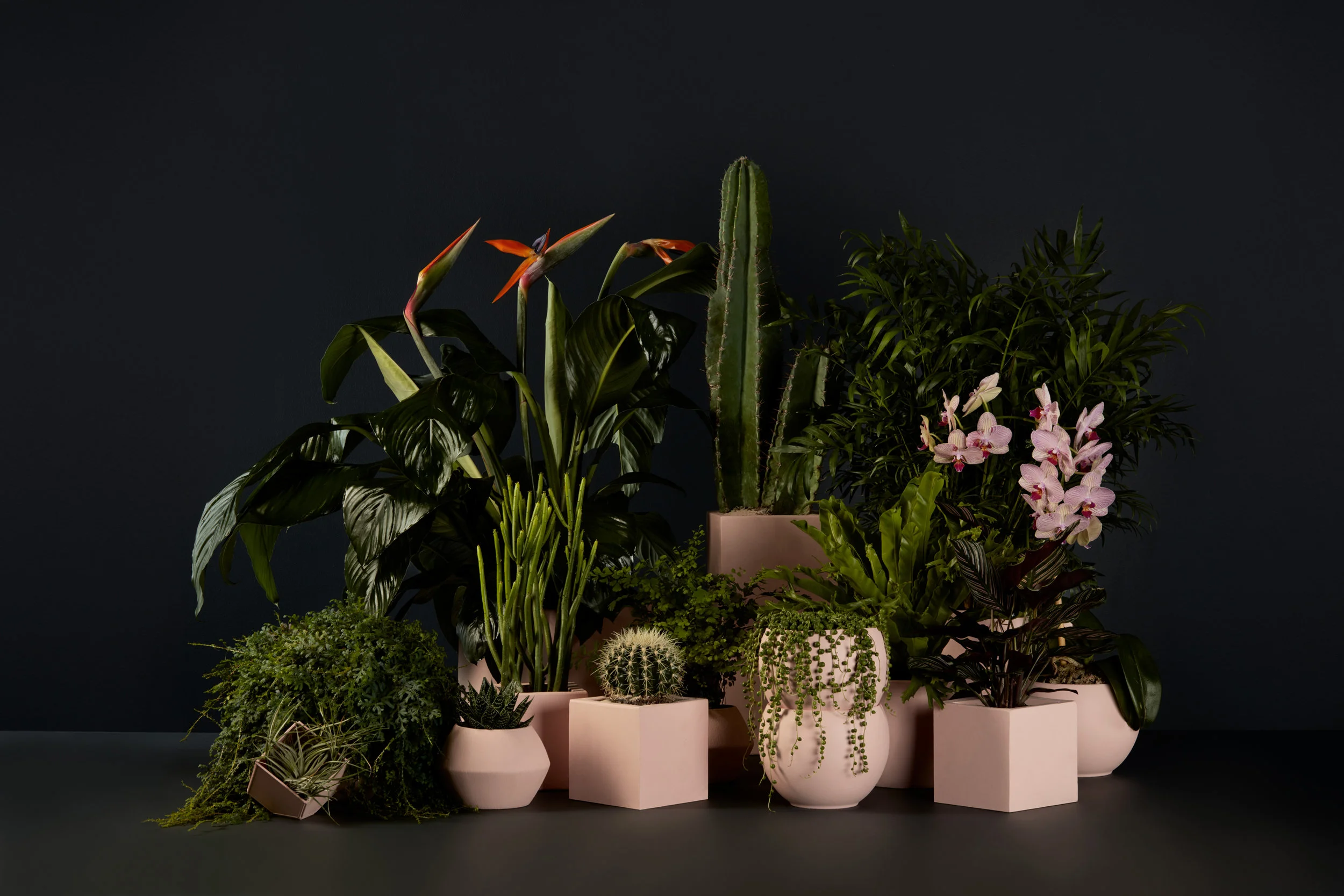
Serving Spring Branch and surrounding Houston neighborhoods since 1999. In The Garden is a hidden treasure for specialty plants, fountains, patio furniture, and one-of-a-kind garden accents.
A Spring Branch Original
Founded by Frank and Suzan Galvan, In The Garden grew from a landscaping enterprise and a warehouse full of unusual finds into a half-acre retail destination just off I-10 at Blalock.
The result is an eclectic, ever-changing mix of specialty plants, herbs, planters, fountains, statuary, patio furniture, and original art from local artists.
Rain garden plants that stand up to Houston downpours
A Houston rain garden can turn stormwater from a nuisance into a useful garden resource. Set in a shallow depression, it slows roof runoff and paving overflow, allowing water to soak into the soil rather than rush towards a drain. The right plants must cope with sudden flooding, heavy clay, intense heat and long dry spells between storms.
For Australian gardeners, the idea will feel familiar from water-sensitive urban design projects around Brisbane, Sydney and Melbourne. The plant list, however, needs to suit Houston’s Gulf Coast climate. What works beside a Brisbane creek may struggle in Houston’s humid summers, so choose plants by water zone, drainage and mature size rather than appearance alone.
| Rain garden zone | Houston conditions | Suitable plant qualities |
|---|---|---|
| Bottom basin | Wettest after storms, occasionally underwater | Moisture-tolerant roots and flexible stems |
| Sloping sides | Alternating wet and dry conditions | Plants that handle both extremes |
| Outer edge | Usually well drained and warmer | Drought tolerance and strong ground cover |
| Overflow area | Fast-moving stormwater | Dense roots that hold soil in place |
Read the rain garden from the ground up
Begin by watching where water gathers during a heavy Houston shower. A low point near a downspout may be suitable, but the basin should sit well away from foundations, septic systems and large tree roots. An overflow route is essential because a rain garden must release excess water safely during a major Gulf storm.
Test how quickly the soil drains by digging a small hole, filling it with water and observing the drop in level. Houston properties often have compacted clay, though sandy soils and made-up garden beds are common in different neighbourhoods. Improve structure with compost where appropriate, but avoid turning the basin into a rich, permanently soggy pond.
A shallow, broad depression usually performs better than a deep pit. Smooth, planted slopes reduce erosion, while a layer of mulch helps protect soil from the force of falling rain. Keep mulch clear of plant crowns so humid conditions do not encourage rot.
Match plants to wet and dry zones
The lowest section needs plants that tolerate temporary inundation, not plants that demand standing water every day. Gulf Coast natives and adaptable perennials are valuable because they support local insects while handling Houston’s heat. Swamp milkweed, blue flag iris, soft rush and certain sedges can suit consistently moist pockets when the site receives enough sun.
The middle slope is often the most demanding area. It may be saturated after a thunderstorm, then dry rapidly under summer heat. Try inland sea oats, switchgrass, scarlet sage, cardinal flower and native asters, checking the exact species and its mature water needs before planting. Grouping plants with similar requirements makes maintenance simpler.
At the upper edge, use tougher plants that can cope with ordinary garden conditions. Gulf muhly, lantana, yaupon holly, beautyberry and coral honeysuckle can add structure, colour and habitat. Always confirm whether a plant is invasive or unsuitable for your particular county, and allow room for spread.
Build a plant palette for changing water levels
A layered planting creates a stronger rain garden than a collection of isolated specimens. Combine upright grasses, flowering perennials, low ground covers and a few shrubs so that raindrops are slowed before reaching bare soil.
Useful choices for the wetter centre include:
- Soft rush for vertical texture and saturated pockets
- Swamp milkweed for flowers and pollinator value
- Blue flag iris for seasonal colour near wet soil
- Native sedges for dense, erosion-resistant cover
- Cardinal flower for a shaded or partly shaded basin
For the drier perimeter and upper bank, consider:
- Gulf muhly for fine foliage and autumn plumes
- Inland sea oats for movement and light shade tolerance
- Yaupon holly for evergreen structure
- Beautyberry for berries and wildlife interest
- Coral honeysuckle for a trellis or fence
Before buying, check the plant’s light preference, mature spread and water tolerance. A Houston nursery such as In the Garden Houston can help match the palette to local conditions, including the differences between a sunny Spring Branch yard and a shaded suburban block.
Design for Australian eyes and Houston conditions
Gardeners from Australia may recognise the practical appeal of a rain garden from creek restoration work in Brisbane or council streetscape projects in Melbourne. Still, avoid automatically substituting Australian wetland plants. A lomandra or grevillea may be excellent in a local Australian swale, yet its performance and availability in Houston can be very different.
The market also works differently. Australian councils and water authorities often promote raingardens, water tanks and native plantings as part of urban water management, while Houston homeowners commonly build smaller residential basins around roof runoff and drainage trouble spots. In either setting, the principles are similar: slow the flow, protect the soil and choose plants that tolerate local extremes.
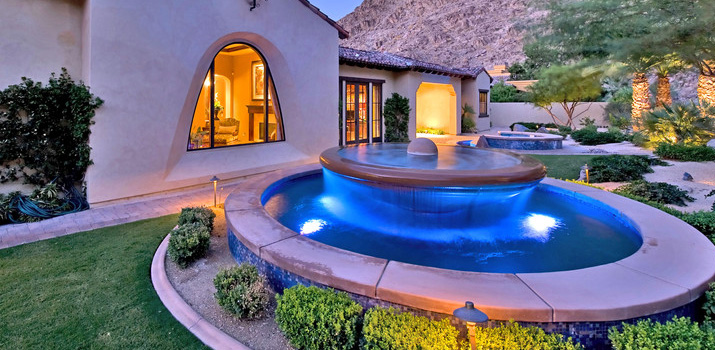
Use attractive edging, stone, a small bridge or a carefully placed sculpture to make the basin feel intentional rather than like a soggy hole. Containers can hold plants that need different moisture levels, and a well-chosen container collection is useful for testing colour and form before committing to the ground.
Keep the garden healthy through storm seasons
A new rain garden needs watering during establishment, even in a city known for dramatic downpours. Water deeply during dry spells while roots develop, then reduce irrigation as plants settle in. Inspect the inlet after storms and remove leaves, litter or sediment that could block the flow.
Trim damaged stems at the appropriate time, divide crowded perennials and replace bare patches quickly. Bare soil invites weeds and erodes more readily, especially when a summer thunderstorm sends water across the basin. Avoid fertilising heavily; excessive nutrients can wash into waterways and create weak, lush growth.
A rain garden can also become part of an outdoor living space. Add a bench, birdbath or locally made decorative piece, and consider a small pantry gift from Salt Island Provisions for a relaxed garden gathering after the next storm. Visit In The Garden for climate-aware plant guidance, architectural accents and practical pieces that help your Houston garden handle water beautifully—then start with one well-observed downspout and a plant palette suited to its wet and dry zones.
Our Work
From cast iron fence posts and ornamental ironwork to European and domestic planters, urns, pedestals, and bird baths, In The Garden curates distinctive garden décor in both vintage and new pieces. The inventory is varied, eclectic, and ever changing, with over 35 years of green-industry experience behind the selections.
Browse our specialty plants & herbs, explore free-standing and lawn water fountains, or relax into a new patio set on view at the Spring Branch location.
Visit Our Spring Branch Nursery
Stop by 1405 Cedar Post Lane, Houston, TX 77055 — just off I-10 (Katy Freeway) at Blalock — to see what's in bloom today.
What We Carry
- Specialty plants & herbs
- Decorative accessories & statuary
- Planters, urns & pedestals
- Free-standing & lawn fountains
- Bird baths & garden accents
- Ornamental iron & cast iron fence posts
- Patio furniture
- Original art from local artists