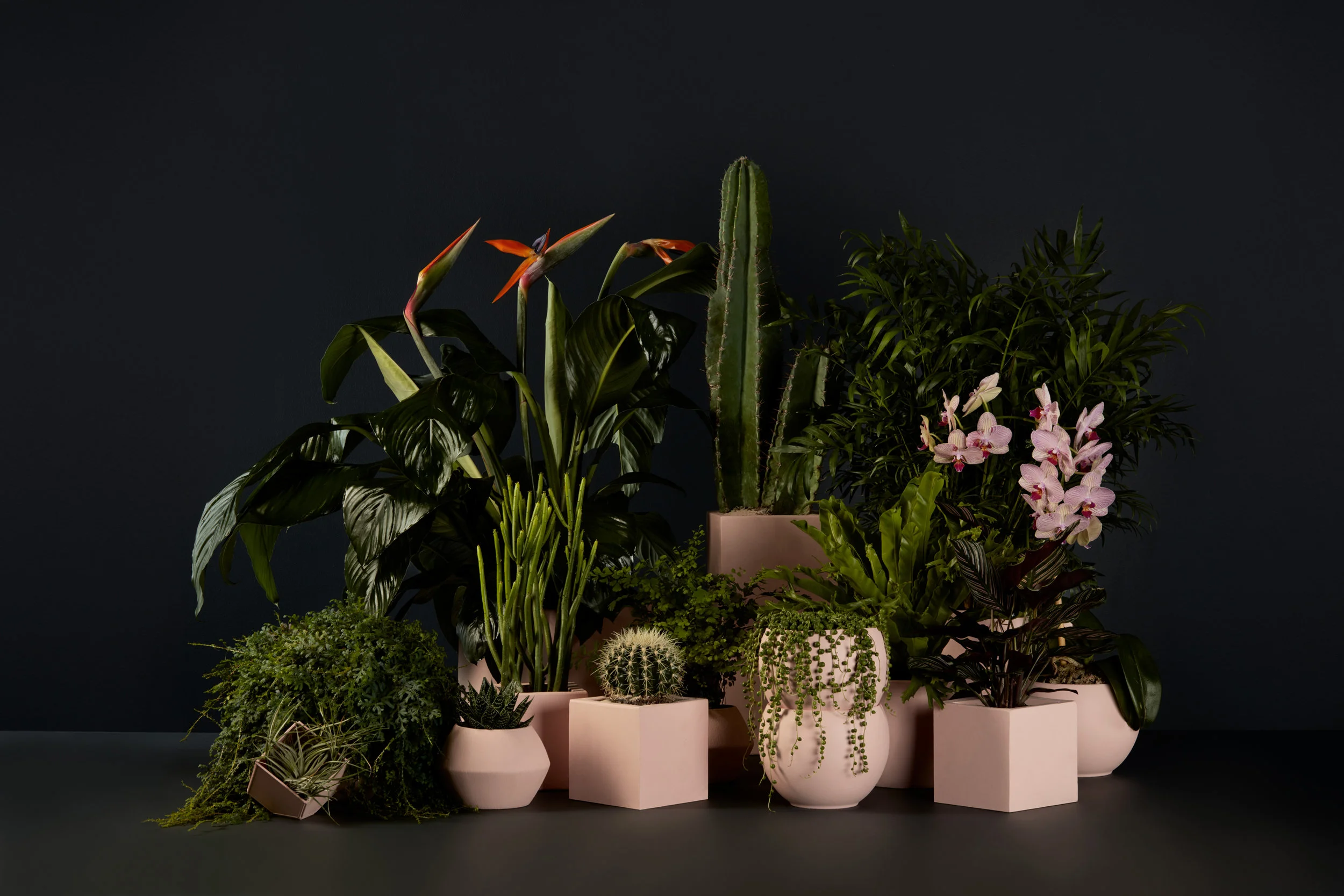
Serving Spring Branch and surrounding Houston neighborhoods since 1999. In The Garden is a hidden treasure for specialty plants, fountains, patio furniture, and one-of-a-kind garden accents.
A Spring Branch Original
Founded by Frank and Suzan Galvan, In The Garden grew from a landscaping enterprise and a warehouse full of unusual finds into a half-acre retail destination just off I-10 at Blalock.
The result is an eclectic, ever-changing mix of specialty plants, herbs, planters, fountains, statuary, patio furniture, and original art from local artists.
Safeguarding delicate garden statuary through winter
Frost can damage delicate garden statues in ways that are easy to miss. A fine crack may appear after a freezing night, while repeated thawing loosens mortar, lifts a base or chips a projecting wing. Water held in porous limestone, sandstone, concrete and terracotta expands as it freezes, and roots lifting in frozen soil can shift the whole figure.
Protection works best when it addresses water, wind and placement rather than simply piling on plastic. A sheltered position and a dry, breathable cover help prevent freeze–thaw damage. It also helps to know when a statue is safer indoors than outdoors, especially in regions where severe frost returns every few winters.
Why frost damage happens in Australian gardens
Damage usually follows a freeze–thaw cycle rather than cold alone. Moisture enters tiny pores, freezes and expands, then contracts as the statue warms. Ice can also form inside joints or around metal fixings. A solid-looking figure may be hollow, so trapped water can push out a detailed face, hand or edge.
Local conditions matter across Australia. Canberra often gets crisp, dry frosts; Melbourne’s outer eastern suburbs can freeze after clear, still nights; Adelaide sees many dry, cold mornings; and Tasmania and the Blue Mountains can experience frost, with occasional snow higher up. A ‘cold snap’ is a familiar local nickname for a quick spell of severe weather, and the risk can linger into spring.
Backyard conditions vary too. A statue beside a brick wall may stay warmer than one in an open lawn, while a pot on a patio can suffer root damage as well as surface cracking. Ask a local garden centre for advice based on your exact site rather than choosing a cover simply because it is the cheapest.
Prepare the site before the first cold snap
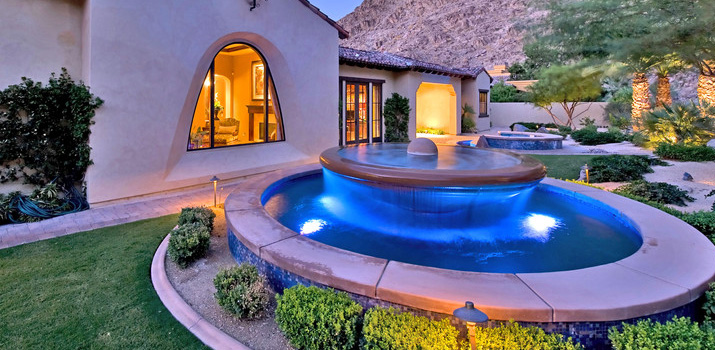
Start with water management. Clear leaves from drainage paths, keep soil a little away from the base, and do not let a fountain basin or saucer remain full. Frozen water expands against pump housings and narrow spouts as well as stonework.
For a dry frost, water the soil evenly the day beforehand: moist ground releases more heat overnight. Avoid flooding it, especially if rain is forecast, and never pour hot water onto frozen stone. Check the Bureau of Meteorology’s local forecast and frost warnings before choosing a treatment.
Move small ornaments into a porch, garage or enclosed verandah while the soil is workable. Terracotta pots are familiar on Australian balconies and patios, but frozen, waterlogged roots can split them, so raise containers on pot feet and keep them off wet ground. Leave large or fragile pieces in place until you have professional advice.
When choosing a new focal point, browse In The Garden Houston for examples of statuary, planters and fountains, then check the material and finish before deciding where it will sit. Choose a position with shelter from driving rain and morning sun once the statue has thawed.
A practical cold-weather checklist
Before the cold snap, work through this list:
- Inspect the figure and base for cracks, loose joints or flaking finish.
- Drain fountains, disconnect pumps and empty water containers.
- Move lightweight pieces to a sheltered, dry location.
- Secure loose covers, pots, hoses and garden tools.
- Record photos so later movement or fresh damage is easy to spot.
During and after the cold, use these steps:
- Check for ice and pooling early, before cracks become hidden beneath snow.
- Clear snow gently with plastic, avoiding metal blades.
- Keep covers dry, firm and clear of drainage outlets.
- Let pieces thaw naturally in shade, without sudden heat.
- Re-level bases and inspect again after the ground thaws.
Choose a covering that will not trap moisture
Horticultural frost cloth, often sold by the metre, is a useful first layer because it traps air while allowing moisture to escape. It should sit loosely above the statue rather than press against detailed features. For a bust or fountain spout, use a roomy fleece cover tied to a stake without marking the finish.
Hessian, or burlap, adds an outer layer for a windy site, but it must stay dry. Plastic sheeting and bubble wrap can trap condensation, so they suit brief cold spells better than a whole winter. Leave the base and drainage routes exposed. For larger installations, use Opus Two as a design reference for the wider garden setting and plan a discreet, wind-resistant cover.
Compare protection options before winter arrives
Compare the piece’s material, the expected frost and the handling involved before choosing:
| Option | Protection | Best for | Main limitation |
|---|---|---|---|
| Horticultural fleece | Breathable insulation that slows heat loss | Stone, concrete and terracotta figures | Can snag or tear; keep it dry |
| Loose hessian | Adds wind protection over fleece | Busts and detailed ornaments | Holds moisture if it gets wet |
| Bubble wrap | Cushions projections during a brief cold spell | Small figures, pot rims and spouts | Traps moisture; sunlight can damage it |
| Sheltered indoor position | Removes the piece from freeze–thaw cycles | Lightweight pots and movable ornaments | Needs safe lifting and dry storage |
Local nurseries, garden centres and hardware stores commonly carry fleece, hessian, twine and reusable plant covers. Bunnings is a familiar stop for hardware, while specialist nurseries are better for advice on finishes and plant combinations. Check labels for frost protection rather than assuming ordinary shade cloth will do.
For extra planning help, see the Houston nursery’s gardening events, where seasonal workshops can explain how to choose plants and outdoor pieces that suit a garden. Houston’s mild winters differ from frost-prone Australian regions, so adapt those ideas to your local frost pattern and soil.
Keep statuary ready for winter
After winter, let the statue settle before moving it. Photograph new cracks, clean with a soft brush and plain water, and repair failed joints with a product matched to the material. Replace damp covers and check fittings on any seasonal fountain before refilling.
Make inspection part of spring and autumn maintenance. Clear fallen leaves, check pot-bound ornaments and remove pooled water before the first freeze. Bureau of Meteorology warnings, council alerts and a local garden adviser can help you judge whether a light cover is enough or a sheltered display is safer.
Protect your garden’s focal points by visiting In The Garden Houston in Spring Branch, discussing each piece’s material and finish with the team, and planning a winter routine for your own site. Choose suitable covers and equipment now, so the first cold snap finds your statues prepared rather than exposed.
Our Work
From cast iron fence posts and ornamental ironwork to European and domestic planters, urns, pedestals, and bird baths, In The Garden curates distinctive garden décor in both vintage and new pieces. The inventory is varied, eclectic, and ever changing, with over 35 years of green-industry experience behind the selections.
Browse our specialty plants & herbs, explore free-standing and lawn water fountains, or relax into a new patio set on view at the Spring Branch location.
Visit Our Spring Branch Nursery
Stop by 1405 Cedar Post Lane, Houston, TX 77055 — just off I-10 (Katy Freeway) at Blalock — to see what's in bloom today.
What We Carry
- Specialty plants & herbs
- Decorative accessories & statuary
- Planters, urns & pedestals
- Free-standing & lawn fountains
- Bird baths & garden accents
- Ornamental iron & cast iron fence posts
- Patio furniture
- Original art from local artists