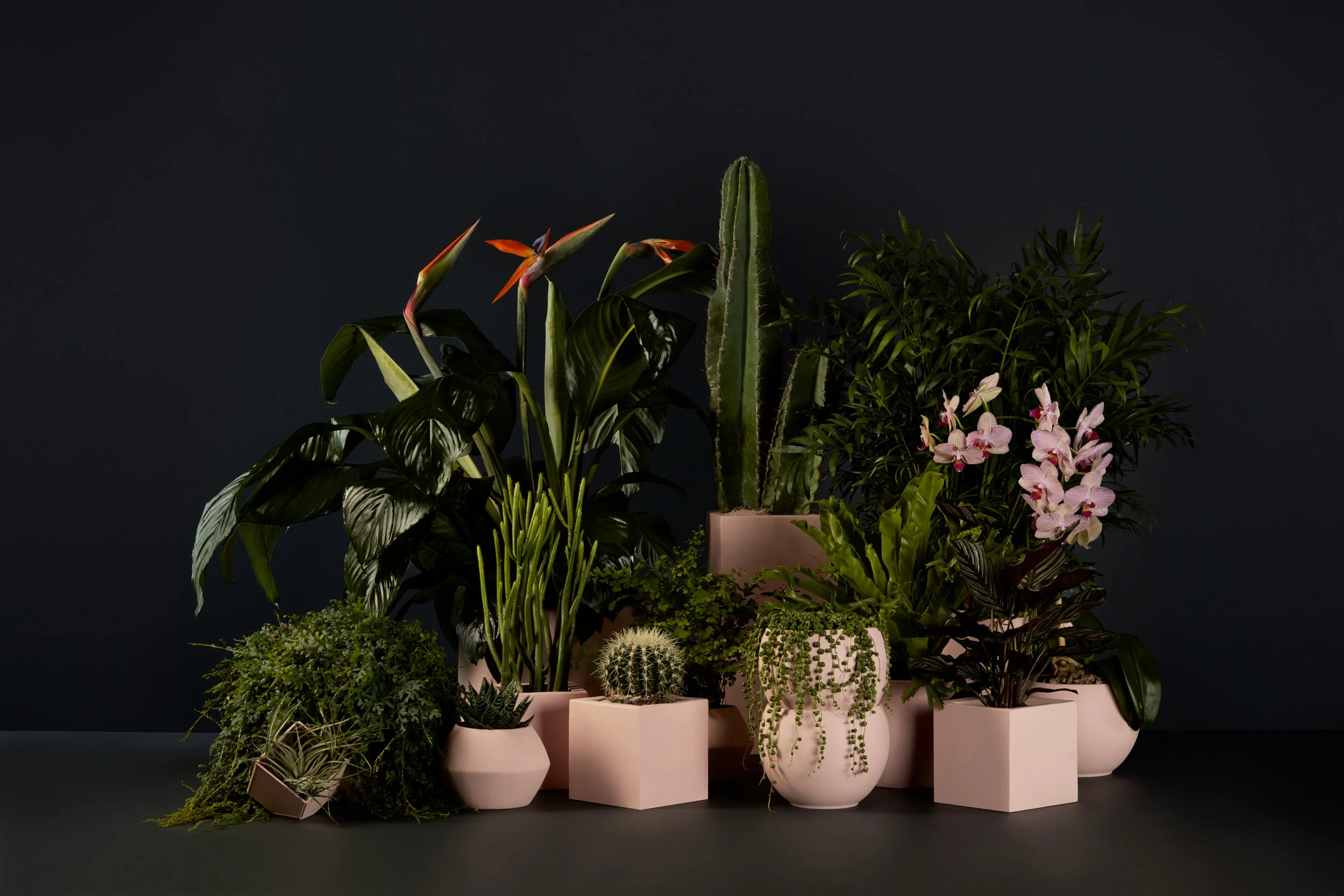
Serving Spring Branch and surrounding Houston neighborhoods since 1999. In The Garden is a hidden treasure for specialty plants, fountains, patio furniture, and one-of-a-kind garden accents.
A Spring Branch Original
Founded by Frank and Suzan Galvan, In The Garden grew from a landscaping enterprise and a warehouse full of unusual finds into a half-acre retail destination just off I-10 at Blalock.
The result is an eclectic, ever-changing mix of specialty plants, herbs, planters, fountains, statuary, patio furniture, and original art from local artists.
Creating a Focal Point with a Large Fountain or Birdbath
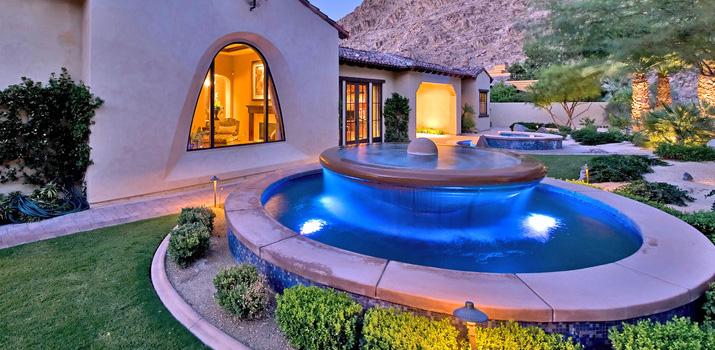
A well-placed fountain or birdbath can give an outdoor area a clear visual centre, turning an ordinary courtyard, porch, or lawn into a more inviting garden room. The sound of moving water adds atmosphere, while a sculptural basin brings height, texture, and a sense of permanence.
For Australian homes, the right water feature must suit local conditions as carefully as it suits the architecture. A sunny Brisbane yard, a compact Melbourne courtyard, and a dry Perth garden all demand different choices in materials, planting, shade, and water management.
In Houston, In The Garden helps visitors combine plants, planters, statuary, outdoor furniture, and decorative pieces into cohesive settings. Its advice is grounded in warm, humid conditions, yet many of the design principles translate beautifully to Australian outdoor living.
The strongest focal points look intentional rather than oversized for their own sake. Scale, sightlines, sound, maintenance, and the relationship between the feature and surrounding plants all influence whether a fountain or birdbath feels elegant, restful, and connected to the landscape.
Choose the Right Scale and Position
Begin by identifying where the eye naturally travels. A large fountain may anchor the end of a garden path, sit opposite a living-room window, or define the centre of a paved entertaining area. A birdbath can perform the same role on a smaller footprint, especially when placed where its silhouette is visible above low planting.
Allow enough breathing room around the feature. A basin pressed against a wall can feel cramped, while a freestanding fountain needs a stable base and clear access for cleaning. In a front garden, ideas from these welcoming porch ideas can help connect the water feature with the entry rather than making it appear like a separate display.
Think about viewing angles during the day. A feature beside a driveway may be seen mainly from the street, while one near a deck should reward close viewing. Keep splashing away from slippery paving, painted walls, delicate furniture, and areas where fallen leaves collect.
Match Materials to the Australian Garden
Stone, cast concrete, ceramic, metal, and glazed terracotta each create a different mood. Weathered stone suits cottage planting and established trees; crisp concrete complements contemporary architecture; aged metal can add warmth to a native garden. In coastal areas such as Sydney or Adelaide, salt air makes durable finishes and corrosion-resistant fittings especially valuable.
Sun exposure also affects water temperature, algae growth, and evaporation. A shaded or partially shaded location is often easier to manage, particularly during hot Australian summers. If the feature will support visiting birds, avoid toxic coatings and provide a shallow, textured edge where small birds can stand safely.
A fountain should look related to its setting rather than competing with it. Browse suitable Houston plant collection ideas for inspiration on layering foliage around a statement piece, then adapt the approach with Australian choices such as lomandra, bird of paradise, grevillea, kangaroo paw, or bird-attracting shrubs.
Balance Sound, Movement, and Wildlife
The sound of water is one of a fountain’s greatest benefits. A gentle spill can soften traffic noise in a suburban Sydney garden, while a stronger cascade may be useful beside a busy entertaining area. Test the volume if possible; water that is too forceful can dominate conversation and disturb nearby neighbours.
Birdbaths work differently. Their appeal comes from stillness, wildlife activity, and the small daily ritual of refreshing the water. Place one where birds have nearby cover but not dense branches directly overhead, which can increase debris and give cats an easy hiding place.
| Feature | Best suited to | Main design strength | Key care requirement |
|---|---|---|---|
| Large tiered fountain | Formal gardens and broad courtyards | Height and classical presence | Regular cleaning and pump checks |
| Wall fountain | Small patios and entry areas | Vertical impact with a small footprint | Protect walls from splash and moisture |
| Low bubbling urn | Contemporary entertaining spaces | Gentle sound and simple form | Monitor evaporation |
| Wide birdbath | Wildlife-friendly gardens | Bird activity and sculptural shape | Fresh water and frequent scrubbing |
| Pedestal birdbath | Lawns and planted borders | Visible silhouette and traditional style | Stable placement and safe depth |
Frame the Feature with Planting
Planting should support the focal point without hiding it. Use a few repeated forms around the base rather than filling every gap with different species. Fine grasses can soften a heavy pedestal, while broad-leaf plants can emphasise a narrow column or urn.
Layering is particularly effective: low groundcovers at the front, medium-height foliage at the sides, and taller screening plants behind. In Melbourne, evergreen structure helps the feature remain visible through winter. In Brisbane, tropical foliage can create a lush backdrop, provided roots and fallen leaves will not interfere with the pump.
Useful planting roles include:
- Softening hard edges with grasses or trailing plants
- Repeating colours found in the fountain’s finish
- Providing filtered shade during the hottest part of the day
- Directing the eye along a path or garden border
- Offering shelter and nectar for local birdlife
Leave a practical gap around pumps, drains, and electrical connections. Choose plants that tolerate occasional splash if they sit close to the basin, and use mulch or gravel to reduce mud around a birdbath after rain.
Connect Water Features with Outdoor Living
A focal point becomes more useful when it relates to how people occupy the garden. Position a fountain where guests can hear it from a seating area, or place a birdbath near a breakfast nook so wildlife becomes part of the daily view. The feature should contribute to the atmosphere without blocking movement between the house, lawn, barbecue, and garden beds.
Decorative objects can help bridge the transition between architecture and planting. A plinth, weathered urn, locally made sculpture, or carefully chosen bench may echo the fountain’s material and give the setting a collected appearance. Inspiration from the Mazzoleni Art Gallery shows how art can add visual focus without relying on excessive decoration.
For Australian properties, consider how the feature will cope with alfresco entertaining, children, pets, and occasional water restrictions. A recirculating pump uses the same water repeatedly, but evaporation still requires topping up. In drought-prone regions, a decorative dry basin or a birdbath with a modest capacity may be more practical than a large open pool.
Build a Focal Point That Lasts
Maintenance should be part of the design from the beginning. Select a pump that is easy to access, protect cables according to local electrical requirements, and make sure the base is level. Check council or strata rules where relevant, especially for front gardens, water connections, drainage, or heritage properties.
A nearby seat can make a fountain feel purposeful, while a small side table can support drinks, books, or garden tools. Even unexpected furniture references can influence the arrangement: the telephone table history illustrates how compact pieces once created useful pauses within a home, a principle that translates well to verandahs and courtyards.
Keep a simple care routine in place:
- Remove leaves and surface debris each week
- Refresh birdbath water every few days in warm weather
- Clean algae before it becomes difficult to remove
- Check pump flow, tubing, and fittings regularly
- Inspect the surrounding paving for splash or moss
The most memorable garden focal points combine beauty with everyday usability. A large fountain can establish grandeur at the end of a path, while a birdbath can create a gentler centre for a smaller landscape. Visit In The Garden in the Houston area to explore plants, planters, statuary, fountains, furniture, and garden accents, and bring home the pieces that will give your own outdoor space a distinctive sense of place.
Our Work
From cast iron fence posts and ornamental ironwork to European and domestic planters, urns, pedestals, and bird baths, In The Garden curates distinctive garden décor in both vintage and new pieces. The inventory is varied, eclectic, and ever changing, with over 35 years of green-industry experience behind the selections.
Browse our specialty plants & herbs, explore free-standing and lawn water fountains, or relax into a new patio set on view at the Spring Branch location.
Visit Our Spring Branch Nursery
Stop by 1405 Cedar Post Lane, Houston, TX 77055 — just off I-10 (Katy Freeway) at Blalock — to see what's in bloom today.
What We Carry
- Specialty plants & herbs
- Decorative accessories & statuary
- Planters, urns & pedestals
- Free-standing & lawn fountains
- Bird baths & garden accents
- Ornamental iron & cast iron fence posts
- Patio furniture
- Original art from local artists