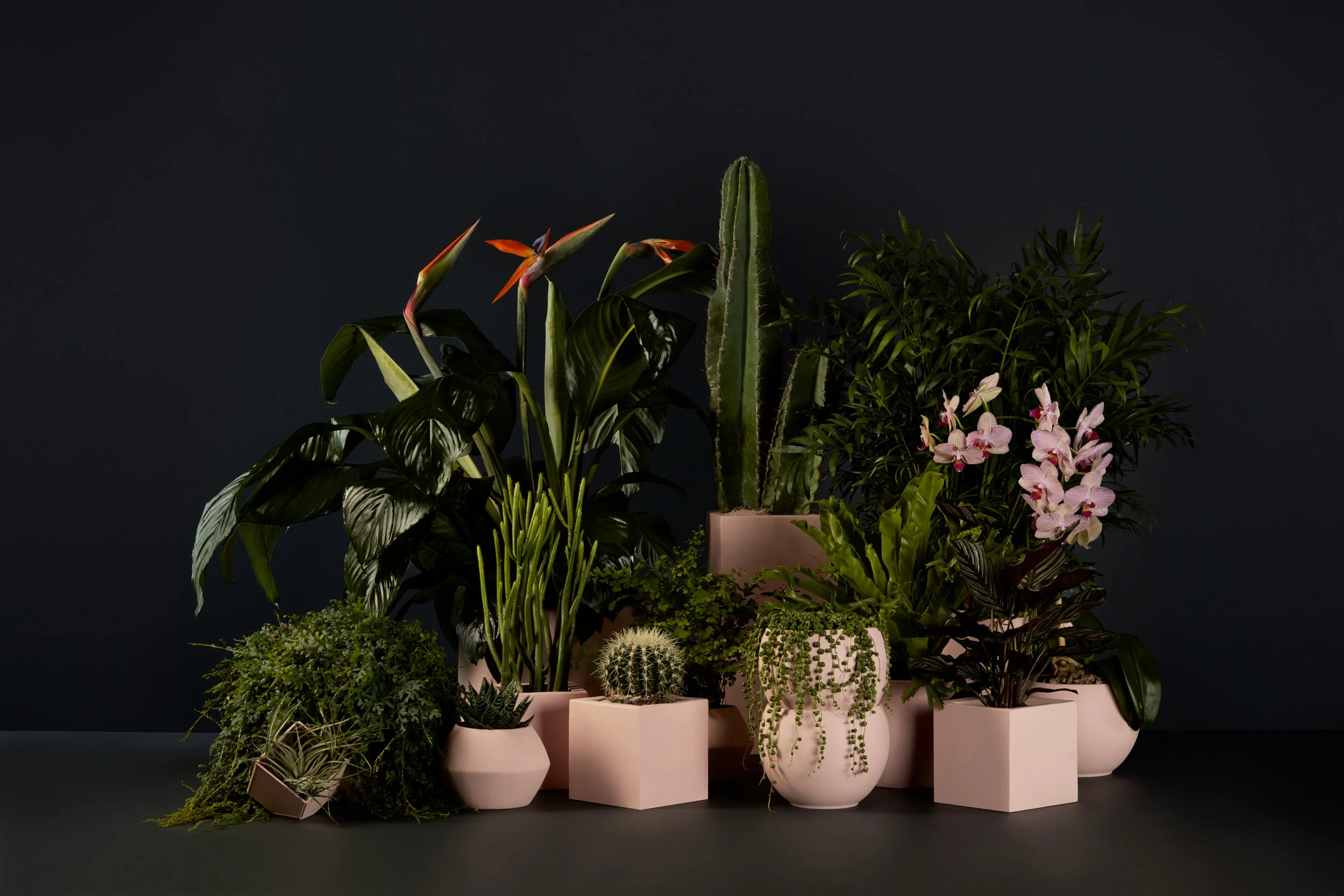
Serving Spring Branch and surrounding Houston neighborhoods since 1999. In The Garden is a hidden treasure for specialty plants, fountains, patio furniture, and one-of-a-kind garden accents.
A Spring Branch Original
Founded by Frank and Suzan Galvan, In The Garden grew from a landscaping enterprise and a warehouse full of unusual finds into a half-acre retail destination just off I-10 at Blalock.
The result is an eclectic, ever-changing mix of specialty plants, herbs, planters, fountains, statuary, patio furniture, and original art from local artists.

How to overwinter tender tropical plants in Houston
Houston’s mild, humid winter can be kind to gardens, yet a sudden Arctic front may bring freezing temperatures overnight. Tender tropicals such as hibiscus, mandevilla, croton, elephant ear, bougainvillea and young citrus often need protection when the forecast turns sharply colder.
For gardeners in Australia, the timing may feel familiar but the calendar runs in reverse. A plant that moves indoors before a Melbourne or Sydney winter may stay outside longer in Brisbane, while Houston gardeners watch for short, unpredictable freezes rather than a long cold season. The same basic principles apply: protect roots, provide bright light and avoid keeping warm-climate plants constantly wet.
| Plant type | Best winter location | Main protection |
|---|---|---|
| Hibiscus and mandevilla | Bright indoor room or sheltered porch | Warmth, light and reduced watering |
| Croton and tropical foliage | Indoors near a sunny window | Stable temperature and humidity |
| Banana and elephant ear | Pot indoors or insulated outdoor position | Frost protection and dry crowns |
| Bougainvillea | Cool, bright room or protected patio | Very light watering and good drainage |
| Tender citrus | Bright sheltered area | Frost cloth, root insulation and airflow |
Read Houston’s winter signals
Houston winters often alternate between warm afternoons, damp weather and brief freezes. A weather app may show comfortable temperatures during the day while the overnight low drops below the plant’s tolerance. Watch the forecast for both the expected minimum and the length of the cold event.
Move vulnerable containers before the first freeze warning rather than waiting for visible damage. Plants near walls, under a covered patio or grouped beside large containers may gain a little warmth, but these positions are not reliable during a hard freeze. In Australian terms, think of a sheltered Brisbane courtyard rather than assuming every winter night will behave like one.
For a useful seasonal reference, review In the Garden’s guidance on Houston garden beds. Bed preparation matters because healthy roots and well-drained soil give plants a stronger chance of recovering after cold stress.
Choose the right winter quarters
Inspect each plant before bringing it inside. Look beneath leaves and around pot rims for aphids, whiteflies, scale, spider mites and slugs. Rinse foliage gently, remove dead leaves and isolate new arrivals for several days if you have a large indoor collection.
A bright room with filtered sunlight is usually better than a dark garage. Tropical foliage may tolerate lower light for a short period, but flowering plants often drop buds when moved too far from a window. A heated room can also be dry, so keep plants away from radiators, forced-air vents and cold glass.
Large specimens do not always need to come indoors completely. Wrap the container, lift it off cold concrete and place it beneath a covered structure. In Sydney or Perth, gardeners may use a sunroom, verandah or shade house for similar protection, provided the space remains above the plant’s minimum temperature.
Prepare plants before the cold front
Do not fertilise heavily just before moving plants indoors. Soft new growth is especially vulnerable to cold and may attract pests in a warm room. Instead, prune lightly, remove damaged stems and check that every container has a clear drainage hole.
Water thoroughly a day or two before a cold event if the potting mix is dry, then allow excess water to drain. Saturated soil becomes cold and airless, increasing the risk of root rot. Use a free-draining mix for tropical containers, incorporating quality compost, bark or another material that holds moisture without staying muddy.
Useful preparation tasks include:
- Clean leaves so plants can use available winter light
- Remove saucers that allow pots to sit in water
- Label plants with their preferred light and watering needs
- Check for pests before plants share indoor space
- Insulate exposed pots with blankets, hessian or foam
- Move fragile ceramics away from sudden temperature changes
Manage light, water and humidity
Indoor tropical plants usually need less water during winter because growth slows and evaporation decreases. Test the top few centimetres of potting mix with a finger before watering. If it feels moist, wait. Yellow leaves and a sour-smelling pot often indicate excess moisture rather than thirst.
Give plants the brightest suitable position, rotating containers every week for even growth. A grow light can help in a dim Houston room, especially for hibiscus, herbs and flowering vines. Keep leaves dry overnight and allow air to circulate, since stagnant humidity encourages fungal problems.
A pebble tray can provide modest local humidity, but the pot should sit above the water rather than in it. Grouping plants together also helps, although crowded foliage should not touch. If you are planning a quiet indoor gardening afternoon with music or gifts, Chick Music can add a little browsing variety without turning plant care into a chore.
Avoid common overwintering mistakes
A protected plant still needs observation. Check foliage weekly, turn the pot to inspect hidden stems and remove fallen leaves from the soil surface. Watch for sudden leaf drop after relocation; some tropicals respond to lower light or a change in temperature, but bare stems do not automatically mean the plant is dead.
Avoid making decisions based on a single warm day. Houston can return to mild conditions quickly, then experience another sharp freeze. If you are comparing gardening plans with online entertainment, rely on the local forecast and plant requirements rather than unrelated cash-out slot guides.
Common errors include:
- Bringing in pests along with the plant
- Watering on a fixed calendar
- Placing foliage beside a heater or cold window
- Pruning hard while the plant is already stressed
- Leaving outdoor pots in standing rain
- Returning plants outside after one warm afternoon
Bring plants back gradually
When spring temperatures become consistently mild, reintroduce plants in stages. Start with a bright, sheltered location for a few hours, then extend outdoor time over one to two weeks. Avoid placing shade-grown foliage in strong afternoon sun immediately, as tender leaves can scorch.
Watch nighttime temperatures as well as daytime highs. A plant may enjoy warm sunshine but still suffer if the evening air turns chilly. Gradual acclimation also reduces wind shock and helps roots adjust to the faster drying conditions of an outdoor patio.
Before the next growing season, refresh tired potting mix, trim weak growth and begin light feeding once new leaves appear. For suitable tropicals, this is also a good time to choose attractive planters, fountains or patio accents that make the sheltered garden feel intentional rather than temporary.
In the Houston area, In the Garden can help you select plants, containers and seasonal protection suited to local conditions. Visit the nursery for practical guidance, or use the contact page to ask about current stock, workshops and garden advice before the next cold front arrives.
Our Work
From cast iron fence posts and ornamental ironwork to European and domestic planters, urns, pedestals, and bird baths, In The Garden curates distinctive garden décor in both vintage and new pieces. The inventory is varied, eclectic, and ever changing, with over 35 years of green-industry experience behind the selections.
Browse our specialty plants & herbs, explore free-standing and lawn water fountains, or relax into a new patio set on view at the Spring Branch location.
Visit Our Spring Branch Nursery
Stop by 1405 Cedar Post Lane, Houston, TX 77055 — just off I-10 (Katy Freeway) at Blalock — to see what's in bloom today.
What We Carry
- Specialty plants & herbs
- Decorative accessories & statuary
- Planters, urns & pedestals
- Free-standing & lawn fountains
- Bird baths & garden accents
- Ornamental iron & cast iron fence posts
- Patio furniture
- Original art from local artists