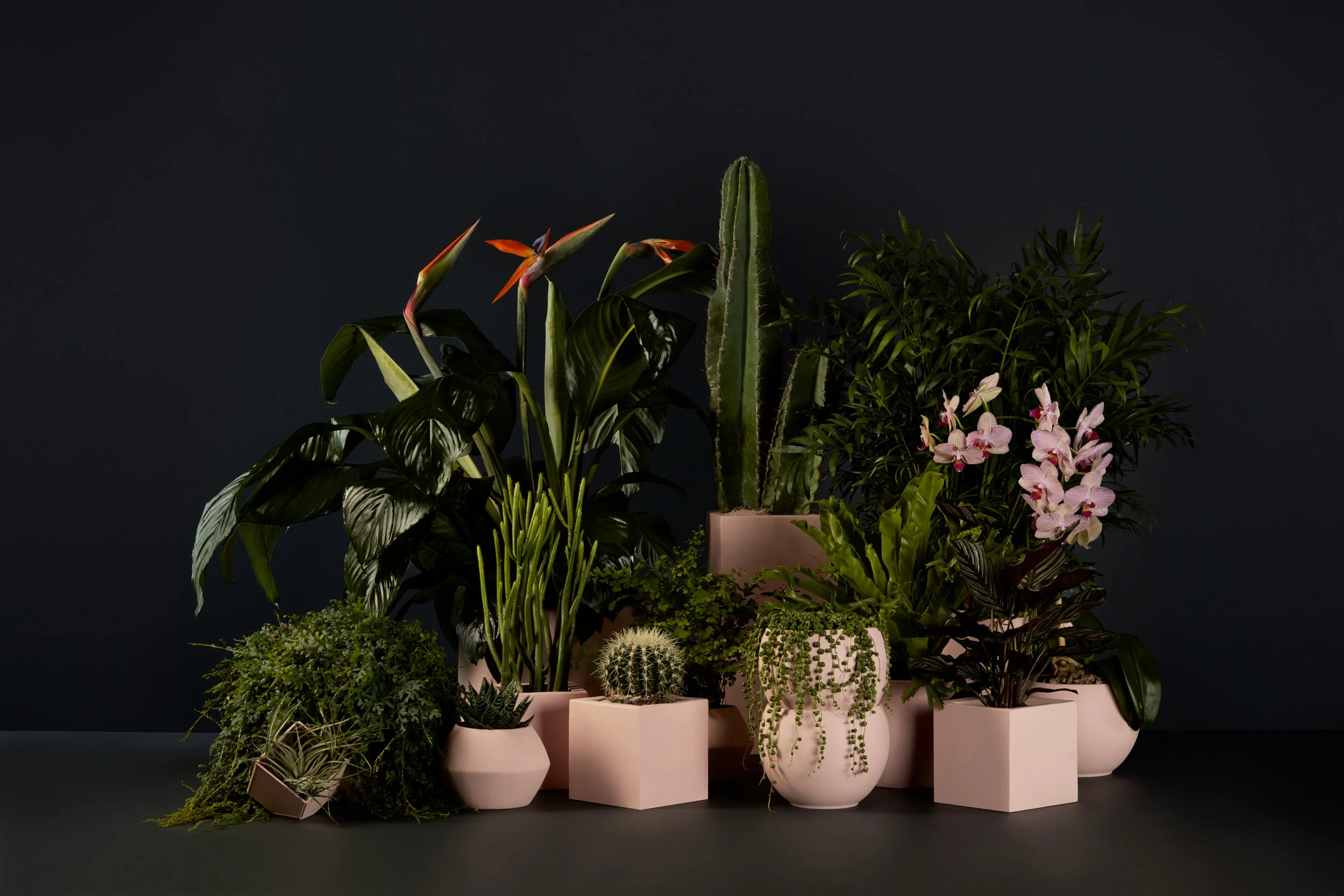
Serving Spring Branch and surrounding Houston neighborhoods since 1999. In The Garden is a hidden treasure for specialty plants, fountains, patio furniture, and one-of-a-kind garden accents.
A Spring Branch Original
Founded by Frank and Suzan Galvan, In The Garden grew from a landscaping enterprise and a warehouse full of unusual finds into a half-acre retail destination just off I-10 at Blalock.
The result is an eclectic, ever-changing mix of specialty plants, herbs, planters, fountains, statuary, patio furniture, and original art from local artists.

Edible landscaping: pairing ornamentals with fruits and vegetables
Edible landscaping, sometimes called foodscaping, weaves food-producing plants into ornamental beds so the space is both beautiful and useful. Rather than isolating tomatoes in a vegie patch behind the shed, gardeners tuck them between salvias, let cucumbers scramble over a decorative arch, and pair blueberries with dwarf mondo grass.
Australian backyards have long carried a quiet relationship with food plants. From chooks scratching under a frangipani to lemon trees screening a Brisbane fence, the productive and the pretty have rarely been separated. Edible landscaping formalises that tradition, turning the suburban block into a kitchen garden with genuine curb appeal.
Climate diversity across the continent offers a long palette. Cool Hobart summers suit leafy greens and stone fruit, humid Darwin mornings favour taro and tropical mulberry, and temperate Melbourne invites espaliered apples along a sun-drenched wall.
This piece explores how to plan a dual-purpose garden, which plants deliver the strongest returns, and how Australian gardeners can adapt foodscaping ideas to local soils, water rules, and bushfire-aware design.
Designing the mixed border for form and function
A successful foodscape borrows the bones of traditional garden design and swaps purely decorative species for their fruiting or leafy counterparts. A formal layout might use clipped buxus as a low hedge, then substitute feijoa or Chilean guava for the same evergreen structure while adding harvestable fruit. In a cottage bed, lavender and salvia share space with thyme, oregano, and chives.
Layering matters as much in a productive border as it does in an ornamental one. Tall canopy trees such as citrus or mulberry create overhead scale, mid-level shrubs like rosella or pomegranate fill the body of the bed, and groundcovers such as sweet potato vine or Warrigal greens soften the front edge. Vertical interest can come from climbing peas or beans trained on a rustic timber structure from brooksidestructures.com, turning functional support into a sculptural feature.
Paths also need a place in the plan, since gardeners must reach every plant for harvesting without trampling neighbours. Stepping stones, mulch, or a narrow gravel track work better than open lawn.
Choosing plants that earn their place
No plant earns its spot for looks alone. Each must contribute flavour, fragrance, or texture to the plate as well as the border. Blueberry bushes offer fine autumn colour and white spring bells before yielding generous summer berries.
Fruit trees trained as cordons or fans along a sunny wall produce heavily without dominating the bed. In cooler parts of Victoria and Tasmania, apples, pears, and quinces adapt beautifully. Subtropical Brisbane gardeners can choose low-chill stone fruit or the underrated acerola cherry, which flowers and fruits almost continuously.
Edible flowers deserve a permanent place. Nasturtiums spill over a path edge, borage draws bees among the tomatoes, and calendula petals brighten summer salads. Colour, leaf shape, and bloom time shape the overall composition, just as in a purely ornamental scheme.
Local realities for Australian foodscapers
Water availability shapes plant choice more than almost any other factor. Permanent restrictions across many Sydney and Melbourne suburbs encourage drought-tolerant productive species such as rosemary, bay, olive, and pomegranate. Wicking beds and deep mulch stretch supplies further, while grouping thirsty crops near the tap keeps irrigation efficient.
Native bush foods add an unmistakable local accent. Finger lime brings glossy foliage and tangy pearls to a courtyard, while Davidson plum and lemon myrtle anchor a tropical-themed bed in the subtropics. These species also support local wildlife and reflect the produce found at farmers' markets in Adelaide, Perth, and regional centres.
Bushfire-aware planting is now essential in many peri-urban areas, with state guidance shaping what sits closest to the home. A buffer zone of low-flammability herbs and succulents, kept well irrigated, serves both safety and culinary purposes.
Year-round interest and seasonal planning
A mixed border should never sit empty. In warm temperate climates, winter brings citrus flushes, brassica rosettes, and the architectural seed heads of sunflowers left standing for birds. Spring erupts with apple blossom, pea tendrils, and the first asparagus spears. Summer leans heavily on tomatoes, zucchini, basil, and stone fruit.
Sketching a calendar showing what each plant offers across twelve months saves seasons of disappointment. Where gaps appear, plug them with evergreen edibles such as kaffir lime, curry leaf, or sweet bay, which anchor the visual scheme when little else is producing.
Rotation also matters in a permanent bed. Replacing tired annuals with a fresh succession of leafy greens, then legumes, then fruiting crops, keeps the bed productive without sacrificing structure.
Caring for a combined landscape
Soil under a foodscape works harder than soil in a purely ornamental bed, because it feeds both flowers and fruit. Annual applications of compost, well-rotted manure, and rock dust keep nutrient levels steady. Mulch is non-negotiable in most parts of Australia, suppressing weeds and cooling roots.
Pruning doubles as harvest. Regular tip-pruning of herbs delays flowering and extends the productive window. Light shaping of blueberry and currant bushes improves air flow, reducing fungal issues during humid coastal summers.
Pest management leans toward integrated approaches, encouraging beneficial insects with diverse flowering species and using netting where fruit loss is severe. Common companions including marigold, dill, and alyssum confuse or repel pests on neighbouring crops. Styling a minimalist coffee table follows the same restraint that shapes an outdoor entertaining area beside the foodscape.
| Category | Ornamental option | Edible equivalent | Harvest window |
|---|---|---|---|
| Hedge shrub | Buxus, murraya | Feijoa, Chilean guava | Autumn to winter |
| Border perennial | Lavender, salvia | Rosemary, thyme | Year-round |
| Climber | Wisteria, jasmine | Grape, kiwi fruit | Late summer |
| Feature tree | Magnolia, crepe myrtle | Lemon, mulberry | Most of the year |
| Groundcover | Mondo grass, dichondra | Warrigal greens, sweet potato | Spring to autumn |
Practical starting points for the home gardener
- Begin with one bed near the kitchen door rather than the whole yard.
- Test the soil, then improve it with compost before planting.
- Choose at least one evergreen edible to anchor the design through winter.
- Match each plant to your local climate zone, not the photo on the label.
- Plan access for harvesting, hoses, and mulch movement.
- Keep records of what thrived and refine the next season accordingly.
- Browse the curated garden accessories collection for trellises, obelisks, and edging.
Once the first bed is established, expansion into nearby lawn or the front garden becomes far less daunting. Each new planting reinforces the lesson that beauty and abundance share the same roots.
For gardeners ready to refresh the wider outdoor space alongside the productive planting, consider planters, seating, and decorative accents sourced thoughtfully, and review secure payment options for accessories before placing larger orders. A unified design where patio furniture, art, and edible beds share the same language turns an ordinary backyard into a place worth lingering in long after the last tomato has been picked.
Our Work
From cast iron fence posts and ornamental ironwork to European and domestic planters, urns, pedestals, and bird baths, In The Garden curates distinctive garden décor in both vintage and new pieces. The inventory is varied, eclectic, and ever changing, with over 35 years of green-industry experience behind the selections.
Browse our specialty plants & herbs, explore free-standing and lawn water fountains, or relax into a new patio set on view at the Spring Branch location.
Visit Our Spring Branch Nursery
Stop by 1405 Cedar Post Lane, Houston, TX 77055 — just off I-10 (Katy Freeway) at Blalock — to see what's in bloom today.
What We Carry
- Specialty plants & herbs
- Decorative accessories & statuary
- Planters, urns & pedestals
- Free-standing & lawn fountains
- Bird baths & garden accents
- Ornamental iron & cast iron fence posts
- Patio furniture
- Original art from local artists